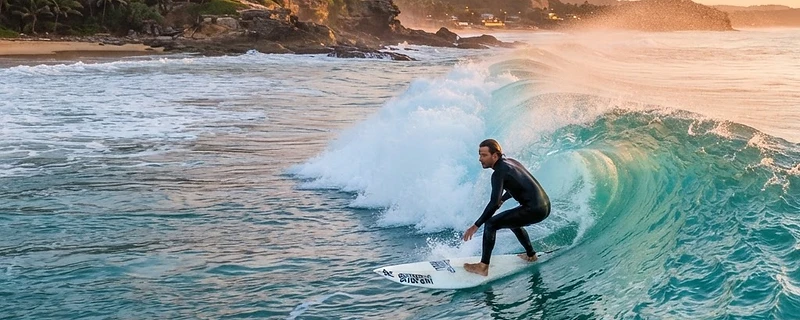
A practical Mozambique surfing guide for every level: best breaks, seasons, gear, safety and how to surf responsibly while supporting local communities across the coast.
Mozambique Surfing Guide: Best Breaks, Travel & Ethics
Mozambique surfing guide — whether you’re chasing long peeling right-handers near Tofo, glassy reef breaks around Pemba, or beginner-friendly sandbanks in Vilanculos, this coastline has waves for nearly every level. This guide covers the best regions and breaks, seasons and conditions, logistics and safety, and how to surf ethically to benefit local communities and protect the ocean.
mozambique surfing guide: Why Mozambique is a surfer’s dream
Mozambique’s 2,500+ km of coastline offers warm water, consistent southern hemisphere swells and a variety of breaks: point breaks, reefs, sandbars and protected lagoons. The country’s surfing scene is less crowded than more famous Indian Ocean spots, and the culture along the coast is warm, welcoming and deeply connected to the sea.
- Tropical water temperatures (22–28°C) mean you rarely need a wetsuit.
- Long seasonal swells provide excellent rides for longboards and shortboards alike.
- Rich marine life and coral systems reward divers and surfers with spectacular scenery.
Surfing in Mozambique is not just about the waves — it’s about encountering welcoming coastal communities, learning local rhythms, and leaving a positive footprint.
For broader travel planning, check peak months in Best Time to Visit Mozambique and combine surf trips with cultural walks like the Maputo Food & Architecture Walking Tour.
Best regions & breaks — a practical mozambique surfing guide by province
Below is a province-by-province look at reliable breaks, who they suit, and local context.
Inhambane Province (Tofo, Barra, Zavora)
Inhambane is the heart of Mozambique surfing for many visitors.
- Tofo: A long, sandy beach with multiple peaks — great for beginners and longboarders. When the swell lines up you can find longer rides and beach breaks.
- Barra: Famous for a strong right-hand point and consistent swell, Barra suits experienced surfers. Occasional big swells and strong currents demand respect.
- Zavora: A quieter reef break with beautiful scenery and fewer people.
See the complete regional context in Inhambane Province: The Complete Travel Guide. While in Inhambane, consider combining your surf trip with community and conservation experiences such as the Inhambane Mangrove Restoration & Kayak Experience.
Vilanculos & Bazaruto (Inhambane/nearby)
Vilanculos offers sheltered waters and nearby islands. Expect glassy points and reef passes ideal for intermediate surfers. The town’s craft scene is lively — visit the Vilanculos Craft Market to support local artisans.
Maputo Province & Ponta do Ouro
Ponta do Ouro, near the South African border, has reef breaks that work on south swells. Perfect for combining surf with other coastal activities and a short flight to Maputo.
Gaza Province — Bilene & Lagoons
Bilene’s lagoon is not a surf destination for ocean swells, but nearby beaches can pick up consistent swell when conditions are right. Bilene is a good option for families and mixed-skill groups: consider staying at the community-minded Bilene Lagoon Community Camp.
Cabo Delgado & Pemba
The far north around Pemba and the Quirimbas has reef breaks and offshore islands with hollow, fun waves on the right conditions. These locations remain less crowded but can be logistically more complex.
Nampula & Ilha de Moçambique
Islands and reef systems near Nampula produce waves at specific tides and swells. Pair surf exploration with cultural stays at the Ilha de Moçambique Family Homestay for an immersive travel experience.
mozambique surfing guide: Seasons, swell, wind and tides
Understanding the seasonal rhythm will maximize your chances of good surf.
When to go
- Best swell window: April to October — southern hemisphere winter brings more consistent south swells.
- Calm, lighter winds: Early mornings and shoulder seasons (April–May, September–October) often provide the cleanest conditions.
- Wet season (November–March): Warmer water and tropical storms can bring unpredictable but powerful swell; some breaks get too messy.
Swell and wind
- Dominant swell: Southern and southwest swells. East swells can light up northern reefs at times.
- Wind: Onshore winds from the east are common in some areas; offshore mornings are prized. Check local forecasts for wind direction and strength.
Tides
- Reef breaks are tide-sensitive. Some points work best on mid-to-high tide, others on a falling tide. Sandbanks can change with seasonal sand movement.
For an in-depth monthly climate overview to plan your trip timing, consult Best Time to Visit Mozambique.
Getting there, accommodation & logistics
Mozambique’s infrastructure varies by province. Key considerations:
- International gateways: Maputo (south), Beira (central), Nacala and Pemba (north) — internal flights connect many surf regions.
- Road travel: Coastal roads vary from sealed highway to corrugated dirt tracks. If driving, read Driving in Mozambique: Road Conditions, 4x4 Guide & Safety Tips.
- Accommodation: Options range from guesthouses and family homestays to eco-lodges and small surf camps. Small, locally run places often reinvest profits in the community; seek them out.
Recommended types of stays near surf spots:
- Local homestays and community camps — great for cultural exchange (for example, Vilanculos craft markets and local homestays).
- Eco-lodges and small surf camps in Inhambane or Ponta do Ouro — often offer gear rental and lessons.
Combining surf with conservation or cultural activities benefits communities and deepens your trip. Browse community listings and workshops to plan side activities.
Community, culture & responsible surfing
Mozambique’s coastal communities are rich in maritime culture, music and crafts. Ethical surf travel means showing respect, minimizing impact and supporting local livelihoods.
- Patronize local businesses: buy food, crafts and services from locals. The Vilanculos Craft Market and regional workshops like the Pemba Makonde Art Workshop (see local listings) are meaningful ways to contribute.
- Learn local norms: Greet people, ask permission before photographing, and learn a few words in Portuguese or local languages for goodwill.
- Hire local guides and surf instructors: they reinvest income and have invaluable local knowledge about conditions and etiquette.
- Leave no trace: avoid single-use plastics, respect marine life and support conservation projects like mangrove restorations.
If you’d like to merge surfing with conservation, the coastal conservation projects and eco-experiences listed in this guide are a good place to start.
Gear, rentals & lessons
- Boards: Many surf towns offer rentals from longboards to shortboards. If you bring your own, check airline surfboard policies and protective cases.
- Lessons: Take lessons if you’re new to reef or current-prone breaks — local instructors teach both safety and etiquette.
- Essentials to pack: reef booties (for coral), a durable leash, sunscreen (reef-safe), rashguard, and a repair kit.
Tip: A soft-top longboard is often the most versatile board for Mozambique’s range of beach and sandbar breaks.
Safety, marine life & environmental concerns
Safety is practical and local knowledge matters.
- Rip currents: Common on open beach breaks. Learn how to spot and escape rips and surf with someone who knows the spot.
- Sharks: Mozambique is home to marine megafauna. Shark encounters are rare, but respect wildlife, avoid dawn/dusk in remote areas, and listen to local guidance.
- Coral injuries: Wear reef booties and be cautious in shallow breaks.
- Medical care: In remote areas medical facilities may be basic; bring a first-aid kit and comprehensive travel insurance.
For diving-oriented travelers, surf trips often pair well with diving excursions; read Scuba Diving Mozambique: The Complete Dive Guide to plan underwater activities responsibly.
Practical Tips
- Documents & visas: Check visa requirements for your nationality well before travel. Keep copies of important documents.
- Cash vs cards: Cash (metical) is king in many coastal towns; bring sufficient local currency. ATMs are limited in smaller towns.
- Language: Portuguese is the official language; many coastal communities also speak local languages. A friendly greeting in Portuguese goes a long way.
- Health & vaccinations: Carry mosquito repellent, stay up to date on routine vaccinations and consult Mozambique Health & Vaccination Guide: What Travelers Need to Know before traveling.
- Transportation: If hiring a car, a 4x4 may be necessary for remote tracks. Consider flights for longer distances to save time.
- Respect local customs: Dress modestly in villages, support women-led enterprises, and always ask before photographing people.
Packing checklist (surf-focused):
- SPF 30+ reef-safe sunscreen, rash guard, board shorts
- Leash, fins, wetsuit top (optional), reef booties
- Travel insurance with medevac and water-sport coverage
- Reusable water bottle and basic first-aid kit
Sample 7-day surf itinerary (Inhambane focus)
Day 1: Fly to Inhambane — settle into an eco-lodge, meet local surf instructors. Day 2: Tofo morning surf, afternoon visit to local market and craft stalls. Day 3: Barra early session (experienced surfers); beach cleanup or community workshop in afternoon. Day 4: Day trip to Vilanculos or a nearby island for sheltered reef practice. Day 5: Surf coaching day — technique and safety on reefs. Day 6: Cultural day: visit a local art workshop or conservation project, e.g., mangrove restoration. Day 7: Final surf, depart via Inhambane or Vilanculos.
Combine surf days with cultural experiences such as the Inhambane Mangrove Restoration & Kayak Experience to make a positive contribution to local conservation.
FAQ
Q: Do I need a wetsuit to surf in Mozambique?
A: Generally no. Water temperatures usually range from 22–28°C. A light spring suit or rashguard is often enough, although some surfers prefer a thin long-sleeve top in winter months.
Q: Are there surf schools and rentals everywhere?
A: Not everywhere, but many popular surf towns (Tofo, Barra, Vilanculos, Ponta do Ouro) have surf schools and rental services. In remote spots, bring gear or arrange transfers and rentals in advance.
Q: Is Mozambique safe for solo travelers who surf?
A: Mozambique is visited safely by many solo travelers, including surfers. Follow general travel safety guidelines, avoid isolated areas after dark, register plans with your accommodation, and hire local guides when surfing remote breaks. For female travelers, see tips in Solo Female Travel in Mozambique: Safety, Tips & Stories.
Q: What marine life should I expect?
A: Expect abundant reef fish, corals, and—seasonally—manta rays or whale sharks (especially around Inhambane). Shark encounters are rare; still, adhere to local advice and avoid dawn/dusk in remote, unpatrolled areas.
Q: How can I support local communities while surfing in Mozambique?
A: Stay at community-run lodges and homestays, hire local surf instructors, buy crafts from local markets, and participate in conservation projects. Consider visiting cultural experiences like the Ilha de Moçambique Family Homestay or local craft workshops.
Conclusion — mozambique surfing guide: final thoughts
Mozambique surfing guide essentials: pick the right season (April–October for most swells), choose the region that matches your skill level, and embrace responsible travel that puts coastal communities and conservation first. With warm water, varied breaks and welcoming people, Mozambique rewards surfers who come prepared, respectful and curious. Pack well, surf safely, and leave the places you visit better than you found them.
For photography tips to capture your surf trip respectfully, read Mozambique Photography Guide: Capture Culture & Coast. To enrich your travel beyond the surf, explore regional guides such as Sofala Province: Beira, Gorongosa & the City of Winds and Nampula Province: The Crossroads of Mozambique.
Safe waves and respectful travel: enjoy the surf, invest in the people and environments that make Mozambique special, and return home with stories, skills and a commitment to protect the coast.