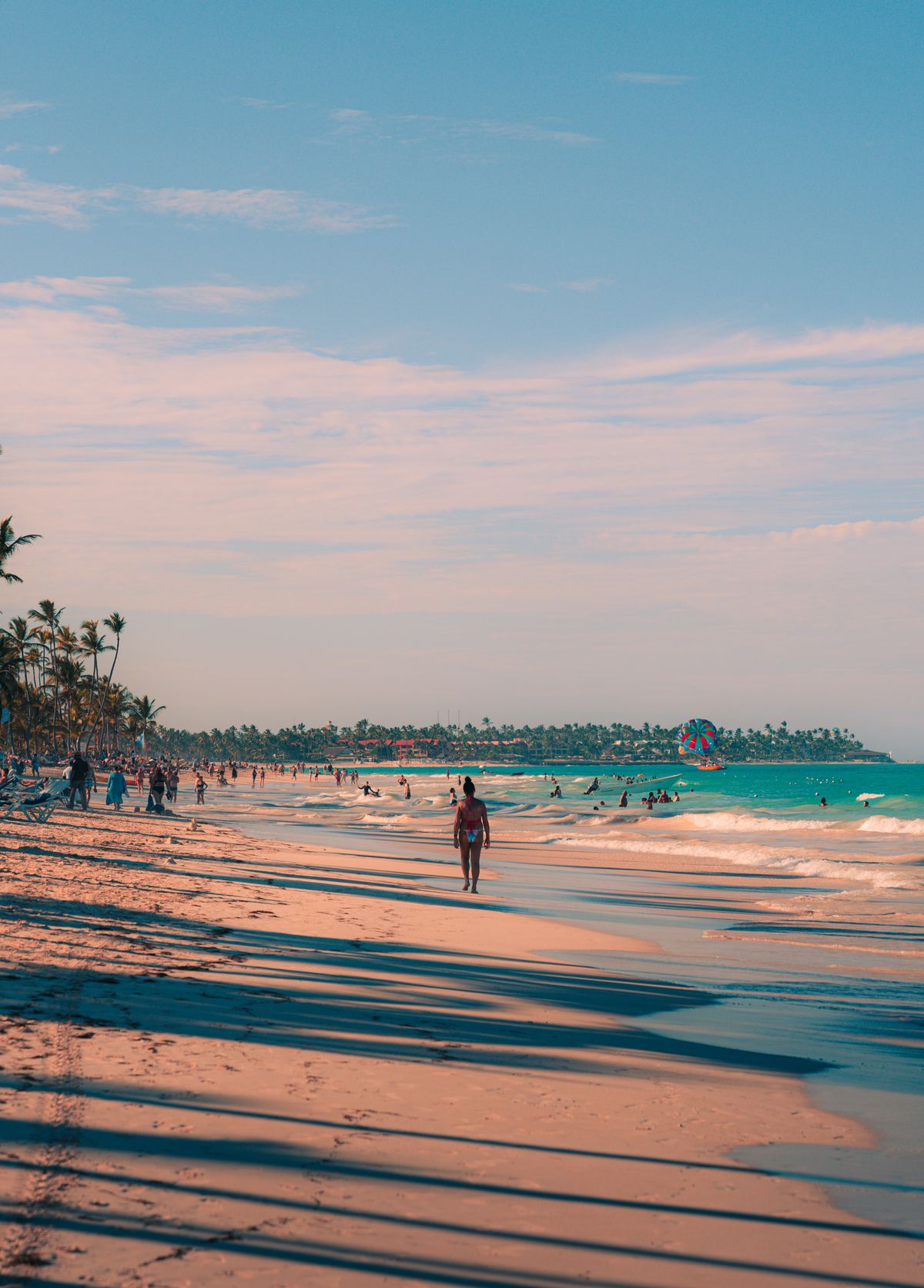
Inhambane is Mozambique's tourist heartland — 700 km of coastline, whale sharks in Tofo, dugongs in Bazaruto, 500-year-old colonial architecture, and the last place on the East African coast where dhows are still built by hand.
Inhambane Province: The Complete Travel Guide
Inhambane is Mozambique's tourist heartland — and for good reason. This is where the country's best beaches, most consistent marine life encounters, and richest coastal culture converge. From the whale sharks of Tofo to the dhows of Vilanculos, from coconut palm plantations to 500-year-old colonial architecture, Inhambane is the province that keeps travelers coming back.
Understanding Inhambane
Geography
Inhambane covers 68,615 km² in southeastern Mozambique. The province has 700 km of coastline — the longest of any province — with numerous bays, peninsulas, and islands. The Bazaruto Archipelago (5 islands) lies offshore, and the province is crossed by several rivers creating fertile estuaries and mangrove systems.
Climate
Tropical, with a rainy season (November–March) and dry season (May–September). Coastal temperatures range from 20–32°C. Best time to visit: May–November (dry, mild, good diving). October–February for whale sharks.
History
Inhambane is one of the oldest European settlements in southern Africa — Arab traders had been visiting since the 8th century, and the Portuguese established a trading post in 1534. The province grew wealthy on ivory, slaves, and coconut oil. The historic architecture of Inhambane City and the surrounding area reflects this layered history.
Top Destinations
1. Tofo Beach
Mozambique's most popular beach destination. A relaxed fishing village turned diving hub, with a golden arc of beach, international backpacker scene, and some of the world's best marine megafauna encounters.
Highlights:
- Whale sharks — year-round, one of Earth's best places to swim with them
- Manta rays — cleaning stations at Manta Reef
- Humpback whales — June–September, singing underwater
- Beach bars and restaurants — fresh seafood, sunset cocktails
- Local market — crafts, produce, daily life
- Surfing — beginner-friendly waves
Where to stay: Casa Barry, Baia Sonambula, Fatima's Nest, Bamboozi
2. Vilanculos & Bazaruto Archipelago
The gateway to Bazaruto — a string of five islands forming a national park with turquoise waters, sand dunes, coral reefs, and the last viable dugong population in East Africa.
Highlights:
- Dhow sailing — traditional sailing to the islands
- Snorkeling at Two Mile Reef — coral gardens with thousands of fish
- Dugong spotting — rare but possible
- Sand dunes — climb for panoramic views
- Horse riding on the beach — unique to Vilanculos
- Deep sea fishing — sailfish, marlin, kingfish
Where to stay: Bahia Mar, Archipelago Resort, Beach View Backpackers
3. Inhambane City & Maxixe
Inhambane City is one of Mozambique's most beautiful towns — 500-year-old colonial architecture, a stunning bay, and a laid-back atmosphere. Maxixe (pronounced "ma-sheesh") is across the bay and serves as the commercial hub.
Highlights:
- Inhambane Cathedral — 200+ year old church with a clock brought from Portugal
- Inhambane Museum — colonial-era artifacts and local history
- Dhow harbor — watch traditional boats being built and repaired
- Bay cruise — traditional dhow across the bay to Maxixe
- Old town walk — coral-stone buildings, jacaranda trees, colonial-era architecture
4. Barra Beach & Flamingo Bay
North of Tofo, Barra offers pristine beaches, tidal lagoons, and some of the province's best diving. Flamingo Bay is a sheltered inlet perfect for kayaking and birdwatching.
5. Pomene
A remote beach paradise south of Vilanculos — miles of empty sand, a stunning estuary, and some of the best untouched reefs in Mozambique. Accessible by 4x4 (dry season) or charter flight.
6. Závora
A quiet beach area south of Inhambane City — perfect for those who want to escape the Tofo crowds. Good diving, empty beaches, and community-run accommodation.
Culture
The Bitonga People
The coastal people of Inhambane are the Bitonga (or Tonga), a Bantu group with deep Swahili trade influences. Traditionally fishermen and coconut farmers, the Bitonga have a rich tradition of dhow building, fishing ceremonies, and a distinctive cuisine heavy in coconut.
Coconut Culture
Inhambane is Mozambique's coconut capital. Vast plantations line the roads, and coconut is in everything: matapa (cassava leaves in coconut milk), coconut rice, coconut cake, and copra (dried coconut) for oil. The coconut palm is called the "tree of life" — every part is used: fronds for roofing, fiber for rope, shells for charcoal, sap for wine (surá).
Dhow Building
Inhambane is one of the last places on the East African coast where traditional wooden dhows are still built by hand. Visit boatyards in Inhambane City and Vilanculos to watch craftsmen shape planks using tools unchanged for centuries. The knowledge passes from father to son, without written plans — the design lives in the builder's memory.
What to Eat
- Matapa — Inhambane's signature dish: cassava leaves, coconut milk, ground peanuts, garlic
- Camarão grelhado — grilled prawns with piri-piri
- Lagosta — Mozambican rock lobster, grilled or in curry
- Caranguejo — crab, caught in mangroves and steamed with piri-piri
- Fish curry — fresh catch in coconut curry
- Surá — coconut palm wine, tapped from the tree
How to Get There
- By air: LAM flies Maputo–Inhambane (INH) and Maputo–Vilanculos (VNX), ~1 hour. SA Airlink flies Vilanculos–Johannesburg.
- By road: EN1 north from Maputo — Inhambane City is 470 km (6 hours), Tofo is 490 km (6.5 hours), Vilanculos is 700 km (8–9 hours). Paved, mostly good condition.
The Bottom Line
Inhambane is the province that has everything — world-class diving, pristine beaches, historic towns, and warm coastal culture. It's the most developed for tourism (though "developed" in Mozambique is relative), accessible from Maputo and Johannesburg, and offers the complete Mozambique experience in a single province. Whether you have 3 days or 3 weeks, Inhambane delivers.