Nampula is Mozambique's demographic heart and home to the UNESCO-listed Ilha de Moçambique — 400 years of coral-stone history. Plus: the Makua people, sacred mountains, and the deep-water port of Nacala.
Nampula Province: The Crossroads of Mozambique
Nampula is Mozambique's third-largest province and its demographic heart — home to over 5 million people and the country's most important commercial hub outside Maputo. But beyond the bustle, Nampula holds two of Mozambique's greatest treasures: the UNESCO-listed Ilha de Moçambique and the sacred Mount Lurio region.
Understanding Nampula
Geography
Nampula covers 79,010 km² in northern Mozambique, bordered by Cabo Delgado to the northeast, Niassa to the northwest, Zambezia to the south, and the Indian Ocean to the east. The province is a mix of coastal plains, rolling plateaus (averaging 400–800m elevation), and the dramatic inselbergs that punctuate the landscape.
Climate
Tropical, with a distinct rainy season (November–March) and dry season (May–September). Temperatures range from 20–35°C. Nampula City can be hot and humid; the interior plateau is more moderate. Best time to visit: May–October.
People
Nampula is the heartland of the Makua (also spelled Macua) people — Mozambique's largest ethnic group, comprising roughly 25% of the national population. The Makua language (Emakhuwa) is the most widely spoken Bantu language in Mozambique. There are also significant Makonde communities in the northeast.
Top Experiences
1. Ilha de Moçambique
Mozambique's most important historical site. A small coral-and-limestone island connected to the mainland by a 3.5km stone bridge. This was the capital of Portuguese East Africa for nearly 400 years and is a UNESCO World Heritage Site.
What to do:
- Stone Town — the northern half of the island, with colonial-era buildings, mosques, churches, and palaces built from coral stone. The architecture blends Swahili, Arab, Portuguese, and Indian influences.
- Fort São Sebastião — the largest single fort in sub-Saharan Africa, built 1558–1620. Contains the Chapel of Our Lady of the Bulwarks, possibly the oldest European building in the southern hemisphere.
- Museum of Sacred Art — religious art from the colonial era, including ivory carvings and Indo-Portuguese furniture
- Macuti Town — the southern half, where most of the island's 14,000 residents live in traditional palm-thatch houses (macuti). Vibrant, real, and utterly different from Stone Town.
- Beach and dhow harbor — watch fishermen bring in the daily catch
2. Nampula City
The commercial capital of northern Mozambique — a bustling, dusty city of 700,000. Not a tourist destination itself, but the gateway to Ilha de Moçambique and the interior.
What to do:
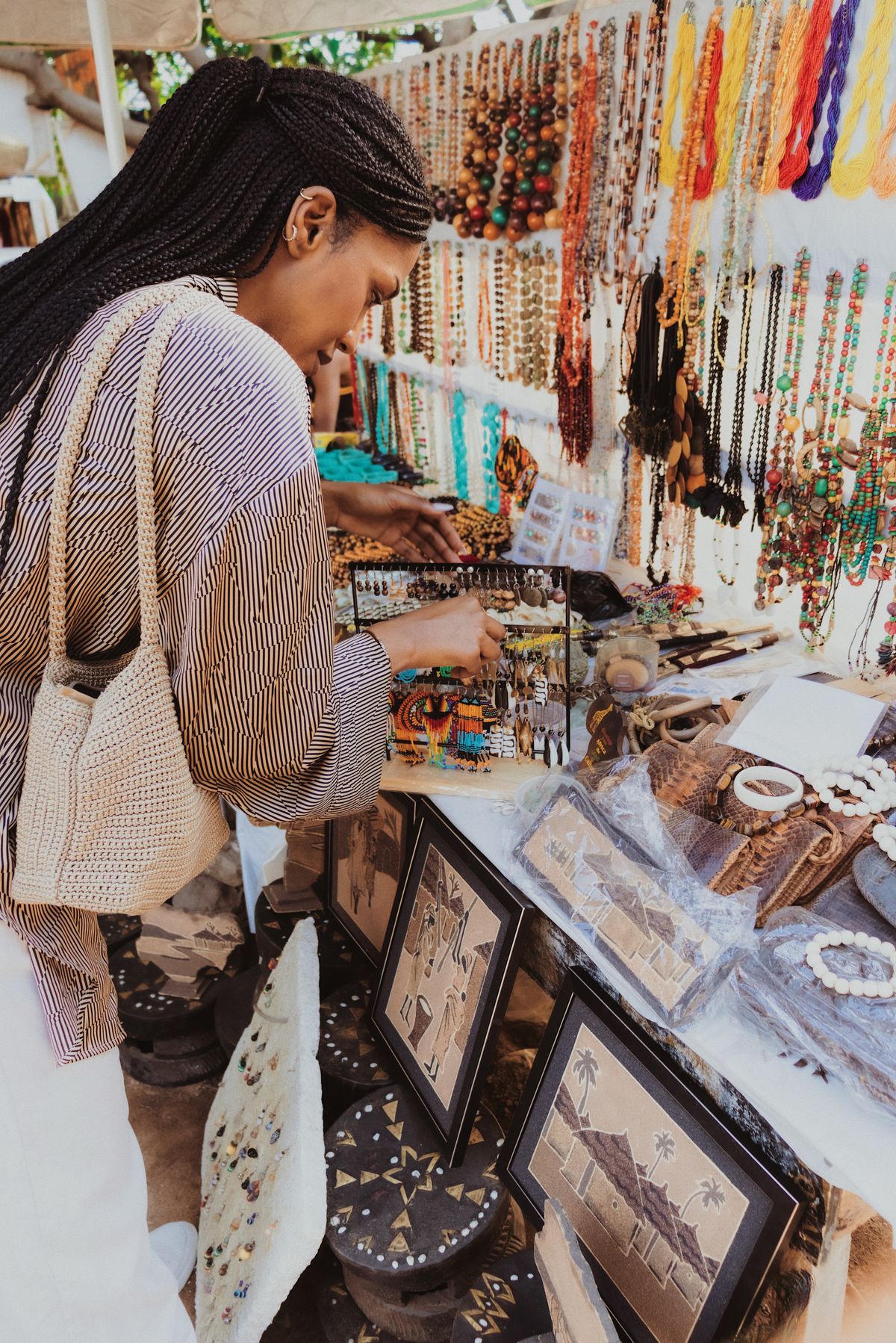
- Mercado Central — chaotic, enormous, and the best place to buy Makua crafts, capulanas, and fresh produce
- Nampula Cathedral — a striking modern building shaped like a traditional Makua house
- Museu Nacional de Etnografia — small but excellent ethnography museum with Makua, Makonde, and Islamic artifacts
3. Mossuril and the Coast
The coast north of Nampula City offers pristine beaches and historic trading posts. Mossuril was an important Swahili trading center before the Portuguese arrived, and the ruins of its medieval mosque are still visible.
4. Mount Lurio & the Sacred Highlands
The interior highlands of Nampula are dominated by dramatic inselbergs — granite domes rising from the plateau. Mount Lurio is a sacred site for the Makua people, with traditional ceremonies still held there. Access requires permission from local chiefs and a guide.
5. Ilha de Goa & Moma
South of Nampula, the coastal town of Moma is known for its mangrove forests, traditional dhow building, and the Ilha de Goa — a small island with historic ruins and excellent birdwatching.
The Makua People
Culture & Traditions
The Makua are matrilineal — inheritance and family identity pass through the mother's line. This creates a social structure distinct from the patrilineal societies of southern Mozambique. Women are the primary agriculturalists, and land rights are often held by women through matrilineal inheritance.
Makua Cuisine
- Karakata — a porridge made from cassava flour, similar to xima but with a different texture
- M'boa — dried fish cooked with cassava leaves
- Theka — palm wine tapped from coconut palms, a traditional drink
- Mucapate — a flatbread made from cassava and coconut
Makua Crafts
- Basketry — tightly woven baskets with geometric patterns
- Pottery — distinctive black-clay vessels
- Capulana — Makua women are known for their distinctive capulana patterns and the way they wear multiple layers
How to Get There
- By air: LAM flies Maputo–Nampula (NPL) daily, ~2.5 hours. International connections via Nairobi and Dar es Salaam.
- By road: EN8 from Nampula to Nacala (paved). EN1 south to Zambezia (variable condition). The road from Nampula to Ilha de Moçambique is ~200 km (3 hours), partly paved, partly rough.
- By rail: The Nacala Corridor railway connects Nampula to the deep-water port of Nacala.
Where to Stay
- Ilha de Moçambique: Escondidinho, Casa Luísa, Ruby Backpackers — charming guesthouses in restored colonial buildings
- Nampula City: Hotel Girassol, Real Hotel — functional business hotels
- Nacala: Basic guesthouses near the beach
The Bottom Line
Nampula is the province where Mozambique's past and present meet. The Ilha de Moçambique is essential — no visit to Mozambique is complete without walking its coral-stone streets and standing in the shadow of Fort São Sebastião. But beyond the island, Nampula's Makua heartland, dramatic inselbergs, and coastal trading posts offer depth that few tourists discover. Come for the Ilha, stay for the interior.