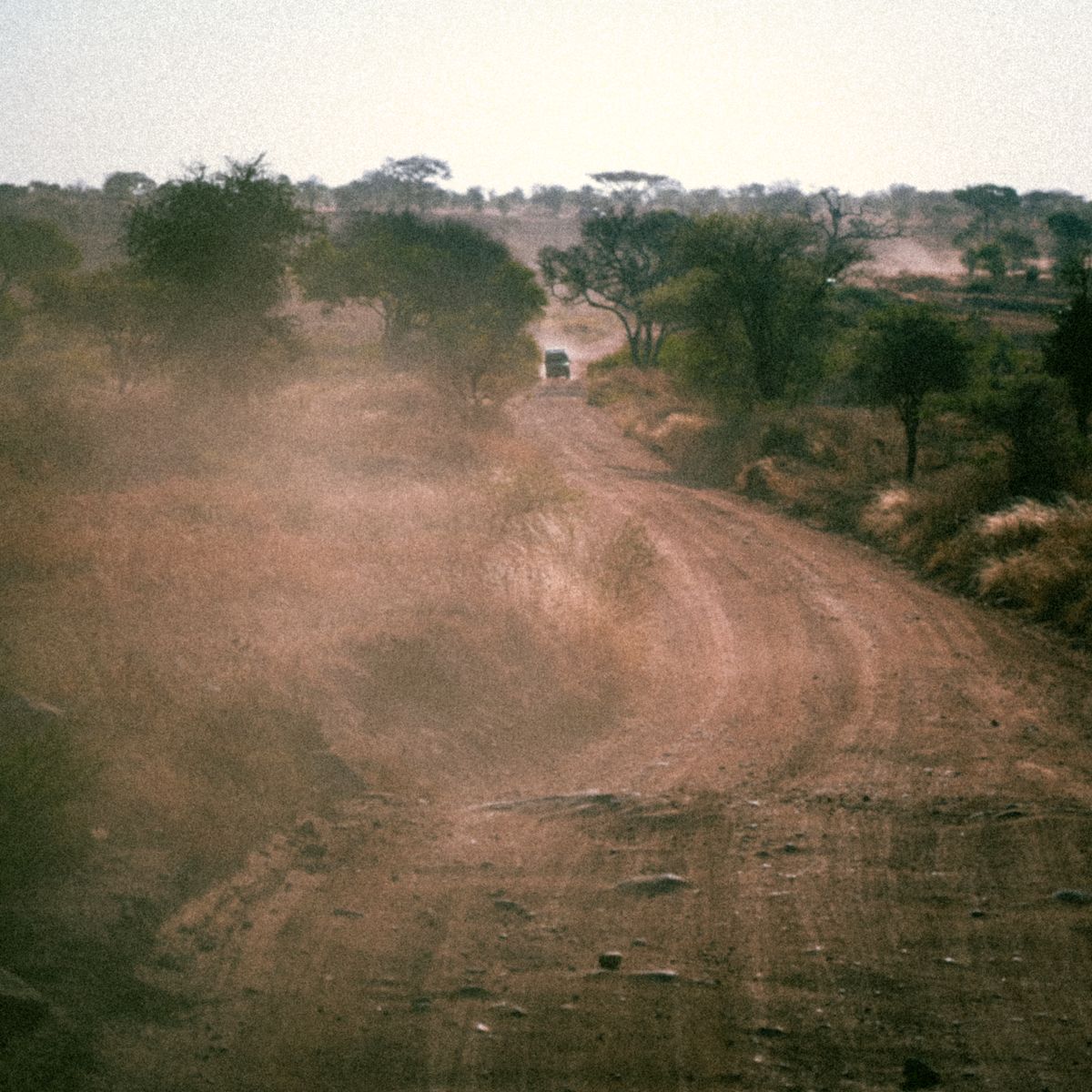
Mozambique has 30,000 km of roads but only 7,000 km are paved. This guide covers road conditions, when you need a 4x4, police checkpoints, driving rules, and essential safety tips — especially the golden rule: never drive at night.
Driving in Mozambique: Road Conditions, 4x4 Guide & Safety Tips
Driving in Mozambique is an adventure. The country has 30,000+ km of roads, but only about 7,000 km are paved — and conditions vary dramatically. Whether you're planning a coastal road trip from Maputo to Tofo or venturing into the remote north, here's everything you need to know.
Road Conditions Overview
Main Highways (Paved)
- EN1 (Norte-Sul): The main artery, running from Maputo to Pemba (2,500+ km). Paved but conditions vary. Maputo–Beira is generally good to fair. Beira–Nampula is variable. Nampula–Pemba has rough sections. Expect potholes, especially after the rainy season.
- EN6 (Beira–Zimbabwe border): Good condition, main route to Harare.
- EN8 (Nampula–Nacala): Good condition, short.
- Maputo ring roads: Good, multi-lane.
Secondary Roads (Partially Paved/Gravel)
- Roads to beaches, parks, and rural areas. Usually gravel or dirt. In the dry season (May–October), passable with a 2WD sedan (carefully). In the wet season (November–March), many become impassable without a 4x4.
Rural Tracks
- Dirt tracks to villages, community lodges, and remote attractions. 4x4 essential year-round. May require high clearance and diff locks during wet season.
Do You Need a 4x4?
| Route | Vehicle | Notes | |-------|---------|-------| | Maputo–Xai-Xai–Inhambane (EN1) | 2WD OK | Paved, mostly good | | Maputo–Ponta do Ouro | 4x4 recommended | Sand road, especially last 20km | | EN1 Maputo–Beira | 2WD OK | Long but paved | | Beira–Gorongosa | 2WD OK (dry season) | Last 20km gravel | | Vilanculos–Bazaruto boat launch | 2WD OK | Paved to beach | | Any road to Niassa, Tete interior, Zambezi Delta | 4x4 essential | Remote, rough | | Any rural road in wet season | 4x4 essential | Mud, flooding, bridges out | | Nampula–Ilha de Moçambique | 2WD OK (dry season) | Partly paved, partly rough | | Tofo, Barra beaches | 2WD OK (dry season) | Sand tracks, 4x4 better |
Rule of thumb: If you're going anywhere off the EN1, EN6, or EN8, get a 4x4. If you're traveling November–March, get a 4x4 regardless.
Renting a Vehicle
International Companies
Available in Maputo and Beira: Avis, Hertz, Europcar, Sixt. Expect to pay $60–120/day for a sedan, $80–150/day for a 4x4.
Local Companies
Often cheaper and more flexible. Check reviews carefully. Ensure insurance coverage is adequate.
What to Check
- Spare tire (full-size, not space-saver) — essential
- Jack and tire iron — check they work
- Tire pressure gauge
- First aid kit
- Fire extinguisher
- Triangle and reflective vest — legally required
- Insurance documents — carry at all times
Insurance
- Third-party insurance is mandatory. Your rental should include it.
- Comprehensive coverage is strongly recommended.
- Check if your policy covers gravel road driving — some exclude it.
Driving Rules & Regulations
License
- International Driving Permit (IDP) recommended alongside your national license.
- Portuguese-language license preferred if staying long-term.
Speed Limits
- Urban areas: 60 km/h (often 50 km/h near schools)
- Rural roads: 80 km/h
- Highways: 120 km/h (but road conditions rarely allow this)
Checkpoints
Police checkpoints are frequent on the EN1 and around cities. Officers will check:
- Driver's license and vehicle registration
- Insurance (third-party certificate)
- Triangle, reflective vest, fire extinguisher
- Seat belts (all passengers)
- The vehicle's general condition
Tips for checkpoints:
- Be polite, greet in Portuguese ("Bom dia, oficial")
- Have documents ready
- Don't offer bribes — most officers are professional
- If fined, ask for an official receipt
- Minor infractions are common (expired sticker, etc.) — negotiate politely
What to Carry
- Original driver's license + IDP
- Vehicle registration
- Insurance certificate (third-party)
- Passport
- Reflective vest (in cabin, not trunk)
- Two triangles
- Fire extinguisher
- First aid kit
- Spare tire, jack, tools
Safety Tips
Never Drive at Night
This cannot be emphasized enough. After dark, Mozambican roads become dangerous:
- Vehicles without headlights
- Pedestrians walking on roads
- Animals (cattle, goats, dogs)
- Unmarked road hazards
- Reduced police presence
- Drunk drivers
Sunset is your deadline. Be at your destination by dark.
Wet Season Driving (November–March)
- Roads flood quickly — never drive through water you can't assess
- Bridges may be damaged or washed out
- Mud can be deceptively deep — 4x4 doesn't mean invincible
- Check road conditions before departure — ask locals
- Carry extra food, water, and a charged phone
Rural Driving
- Watch for animals (cattle, goats, donkeys) — they have right of way
- Watch for pedestrians, especially children near villages
- Reduce speed in villages — dust and noise are disruptive
- Carry cash for tolls and informal "fees" at bridges
- Fill up whenever you see fuel — stations can be 100+ km apart
Fuel
- Available in all cities and most large towns
- Price is government-regulated (~$1.20–1.50/liter as of 2026)
- Carry jerry cans for remote areas (Niassa, Tete, Zambezia)
- Diesel is more common than petrol in rural areas
- Always carry cash — card payment rarely works at rural stations
The Bottom Line
Driving in Mozambique is an incredible way to see the country — the freedom to stop at a roadside market, take a detour to a hidden beach, or navigate to a community lodge is worth the effort. But it requires respect: for the roads, for the rules, and for the night. Drive carefully, carry the right documents, never drive after dark, and Mozambique's roads will lead you to places that organized tours never reach.