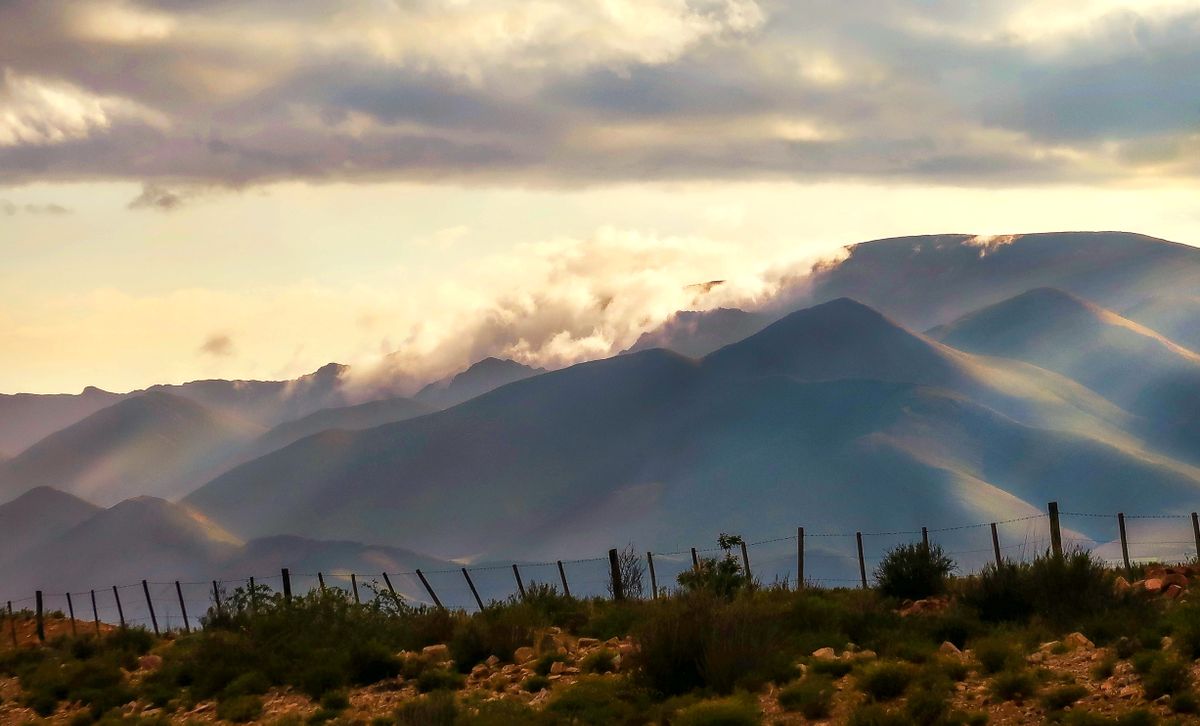
Plan your Mozambique trip around two distinct seasons: dry winter (May–October) for wildlife and beach perfection, and green summer (November–April) for lush landscapes and fewer crowds. Here's the full breakdown.
Best Time to Visit Mozambique: A Month-by-Month Climate Guide
Mozambique spans nearly 2,800 km of coastline and eleven provinces, so the answer to "when should I go?" depends on what you want to experience. Here's the complete breakdown.
The Two Seasons
Dry Season (May–October): This is Mozambique's winter. Temperatures range from 18°C at night in the southern highlands to 28°C along the coast. Humidity drops, skies are clear, and wildlife concentrates around water sources — making this the best time for safaris in Gorongosa, Niassa Reserve, and the Limpopo valley. Beach conditions are ideal: calm seas, excellent visibility for diving, and trade winds that keep things comfortable.
Green Season (November–April): Summer brings heat (30–38°C), high humidity, and rains. But the landscape transforms — waterfalls roar, birdlife explodes, and prices drop. This is also turtle nesting and hatching season along the coast, and whale sharks gather in large numbers around Tofo and Bazaruto.
Month-by-Month Breakdown
May — The Sweet Spot
The rains have ended, the air is fresh, and the bush is still green. Best for: Gorongosa safaris, hiking Chimanimani, beach holidays in Bazaruto. Water levels in the Zambezi Delta are high — great for canoeing.
June–August — Peak Dry Season
Cool, dry, and breezy. Mornings in the interior can be genuinely cold (10°C in Manica and Niassa highlands). Best for: Big game viewing, dhow sailing in the Quirimbas, diving in Tofo and Ponta do Ouro. Humpback whales pass through the channel from June to September.
September–October — Spring Transition
Temperatures climb, vegetation thins, and wildlife viewing peaks as animals gather at shrinking water holes. Best for: Niassa Reserve lion tracking, Gorongosa walking safaris, diving before the warm-water plankton blooms.
November — Shoulder Season
Heat builds, first rains may arrive (usually short afternoon showers). Best for: Whale shark aggregations in Tofo (peak season), budget travel, bird watching as migrants arrive.
December–February — Hot & Wet
Cyclone season peaks in January–February, particularly affecting the central and northern coast (Beira, Quelimane, Nampula). Roads in rural areas may be impassable. Best for: Turtle nesting on Bazaruto and Quirimbas beaches, fewer tourists, lush photography. Exercise caution: monitor cyclone warnings.
March–April — Green Transition
Rains taper off, landscape is still lush, temperatures moderate. Best for: Bird watching (Palearctic migrants still present), waterfall visits in Manica, cultural festivals as communities emerge from rains.
Regional Variations
| Region | Best Months | Notes | |--------|------------|-------| | South (Maputo, Gaza) | May–September | Mild, dry; whales June–September | | Central (Sofala, Manica, Zambezia, Tete) | May–October | Tete can hit 42°C in October; avoid Nov–Feb | | North (Nampula, Niassa, Cabo Delgado) | June–October | Niassa highlands cold at night; coast warm year-round | | Coastal diving | September–November | Best visibility; whale sharks Oct–Feb |
Practical Tips
- Cyclone awareness: If traveling January–March, check Mozambique National Meteorological Institute (INAM) alerts. Cyclones Idai (2019) and Freddy (2023) were devastating but extreme events.
- Malaria: Present year-round, worse in rainy season. Take prophylaxis regardless of when you visit.
- Road conditions: Many rural roads are impassable December–March. 4x4 essential outside main highways year-round.
- Festivals: The AZGO Festival (May, Maputo) and Tambo International Art Festival (September, Maputo) are highlights of the cultural calendar.
The Bottom Line
For first-time visitors: Come May–September. You'll get the best of everything — wildlife, beaches, diving, and comfortable weather.
For seasoned travelers and budget seekers: November offers incredible value, warm water diving with whale sharks, and the first green shoots of the landscape transformation.
For conservation enthusiasts: September–October for peak wildlife, or December–February for turtle nesting season.