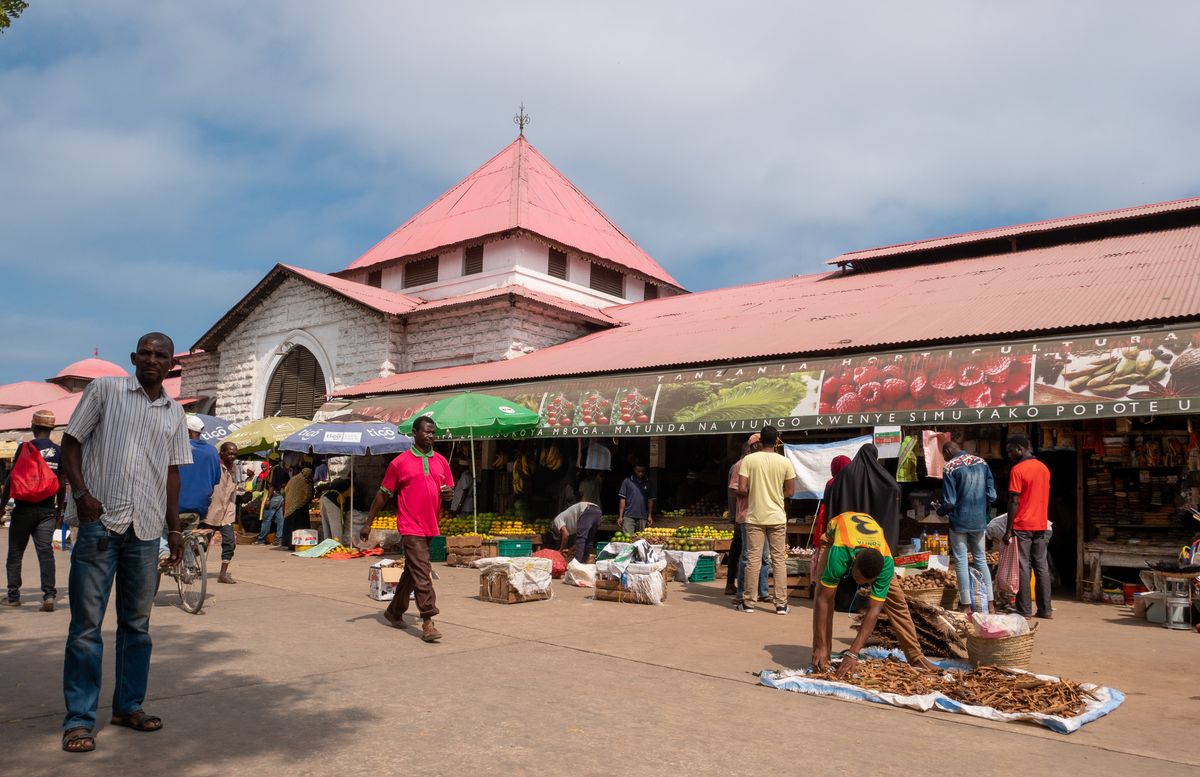
Sofala is Mozambique's central province — Beira (the City of Winds), Gorongosa National Park (Africa's greatest wildlife restoration), ancient gold trade history, and communities rebuilding after war and cyclones.
Sofala Province: Beira, Gorongosa & the City of Winds
Sofala is Mozambique's central province — a place of dramatic contrasts. The coastal city of Beira, the country's second-largest, sits on a windswept coastline battered by cyclones. Inland, the majestic Gorongosa National Park tells the greatest wildlife restoration story in Africa. And along the rivers and forests, communities are rebuilding with determination and grace.
Understanding Sofala
Geography
Sofala covers 68,018 km² in central Mozambique, bordered by Zambezia to the north, Tete to the northwest, Manica to the west, and the Indian Ocean to the east. The Pungwe and Buzi rivers flow through the province, creating fertile floodplains and the wetlands that support Gorongosa's ecosystem.
Climate
Tropical, with hot humid summers (30–38°C, November–March) and mild dry winters (20–28°C, May–September). Sofala is in the cyclone belt — Cyclone Idai (2019) was one of the worst natural disasters in Southern Hemisphere history. Best time to visit: May–October.
People
The dominant ethnic groups are the Sena (along the rivers), Ndau (highlands), and Gorongosi (Mt. Gorongosa area). Beira is a cosmopolitan city with communities from across Mozambique and a significant Goan-Portuguese heritage.
Top Experiences
1. Gorongosa National Park
Mozambique's flagship national park — 4,000 km² of floodplains, miombo woodland, and rainforest. Once one of Africa's most densely populated parks, it lost 90% of its wildlife during the civil war. Since 2004, the Carr Foundation/Gorongosa Restoration Project has led an extraordinary recovery.
Wildlife (recovering):
- Elephants, lions, leopards, buffalo, hippos, crocodiles
- 400+ bird species
- Mt. Gorongosa rainforest (endemic species)
What to do:
- Game drives (morning and sunset)
- Walking safaris
- Bird watching
- Community cultural center visit
- Mt. Gorongosa hike (multi-day, with guides)
- Elephant monitoring program
Where to stay: Montebelo Gorongosa Lodge, Chitengo Camp
2. Beira City
Mozambique's second city (pop. ~500,000) — a working port city with a faded colonial elegance. Beira was severely damaged by Cyclone Idai in 2019 and is rebuilding. The "City of Winds" gets its nickname from the constant sea breeze.
What to do:
- Praia de Makuti — city beach, popular at sunset
- Beira Cathedral — 1925 Neo-Gothic building
- Macuti Lighthouse — iconic red-and-white lighthouse
- Mercado Central — chaotic and colorful
- Praia do Macuti — beach with shipwreck visible at low tide
- Beira Railway Station — colonial-era architecture
3. Dondo & the Pungwe Valley
Northwest of Beira, Dondo is a railway junction town that serves as a gateway to the Pungwe River valley. Community cultural centers here showcase Ndau traditions.
4. Dondo Ndau Community Arts Center
A community-run cultural center featuring Ndau dance, music, storytelling, and crafts. One of the best places to experience authentic Ndau culture. Featured in our directory as a community-verified listing.
5. Marromeu Buffalo Reserve ( southern edge)
Part of the Zambezi Delta system, accessible from Sofala's northern border. See our Zambezi Delta article for details.
History
The Sultanate of Sofala
Before the Portuguese, Sofala was part of a Swahili-Arab trading network dating to the 9th century. Gold from the Zimbabwe plateau was traded at Sofala port for cloth, beads, and ceramics from India and the Middle East. The ruins of the old fort at Sofala (near present-day Beira) are remnants of this era.
Portuguese Era
Beira was founded in 1890 as a replacement for the ancient port of Sofala. The city grew as the terminus of the railway linking the interior (now Zimbabwe) to the sea. Grand colonial buildings lined its avenues — many still stand, though weathered.
Civil War & Cyclone Idai
Sofala was at the center of Mozambique's civil war (1977–1992), which devastated Gorongosa's wildlife. In 2019, Cyclone Idai struck Beira with 170 km/h winds, destroying 90% of the city's infrastructure and killing over 1,000 people. The province is still recovering from both.
How to Get There
- By air: LAM flies Maputo–Beira (BEW), ~1.5 hours. International connections via Johannesburg.
- By road: EN1 from Maputo (1,200 km, 16+ hours) or from Harare via EN6 (300 km, 4 hours). Roads are paved.
- By rail: The Beira Corridor railway connects Beira to Zimbabwe.
Where to Stay
- Beira: Hotel Terminus, Hotel Savoy — functional, mid-range
- Gorongosa: Montebelo Gorongosa Lodge (mid-range), Chitengo Camp (budget/mid-range)
- Dondo: Basic guesthouses
The Bottom Line
Sofala is a province of stories — the ancient gold trade of Sofala, the colonial rise of Beira, the devastation of civil war and cyclones, and the extraordinary rebirth of Gorongosa. It's not a polished tourist destination — it's raw, real, and rebuilding. Come for the park (which is world-class), stay for the people (who are extraordinary), and leave with a deeper understanding of Mozambique's resilience.