Maputo is one of Africa's most walkable cities. This self-guided tour covers colonial architecture, Art Deco masterpieces, and the city's best food stops — from pastel de nata to matapa to grilled prawns with piri-piri.
Maputo Food & Architecture Walking Tour
Maputo is one of Africa's most walkable cities — a compact grid of wide avenues lined with jacaranda trees, where Art Deco masterpieces sit alongside colonial-era villas and Soviet-influenced blocks. Between the buildings, the city's food culture tells a story of Portuguese, Indian, Arab, and African fusion. Here's a self-guided walking tour that combines both.
Tour Overview
- Distance: ~6 km (walkable in 3–4 hours with stops)
- Start: Maputo Railway Station
- End: FEIMA Craft Market
- Best time: Morning (8:00–12:00) to avoid midday heat
- What to bring: Comfortable shoes, hat, water, camera, cash for food stops
Stop 1: Maputo Railway Station (CFM)
The starting point. Designed by Alfredo Augusto Lisboa de Lima, Mario Veiga, and Ferreira da Costa, this 1910 building is a masterpiece of colonial architecture — white columns, green wrought-iron details, and a copper dome. It's been called one of the most beautiful railway stations in the world.
Food: Start with a pastel de nata (Portuguese custard tart) and coffee at the station café.
Stop 2: Praça dos Trabalhadores (Workers' Square)
Walk north on Avenida dos Trabalhadores. The square features a statue of Samora Machel, Mozambique's first president. The surrounding buildings mix colonial-era offices with post-independence murals.
Food: Try bifana — a Portuguese pork sandwich — at a nearby cantina.
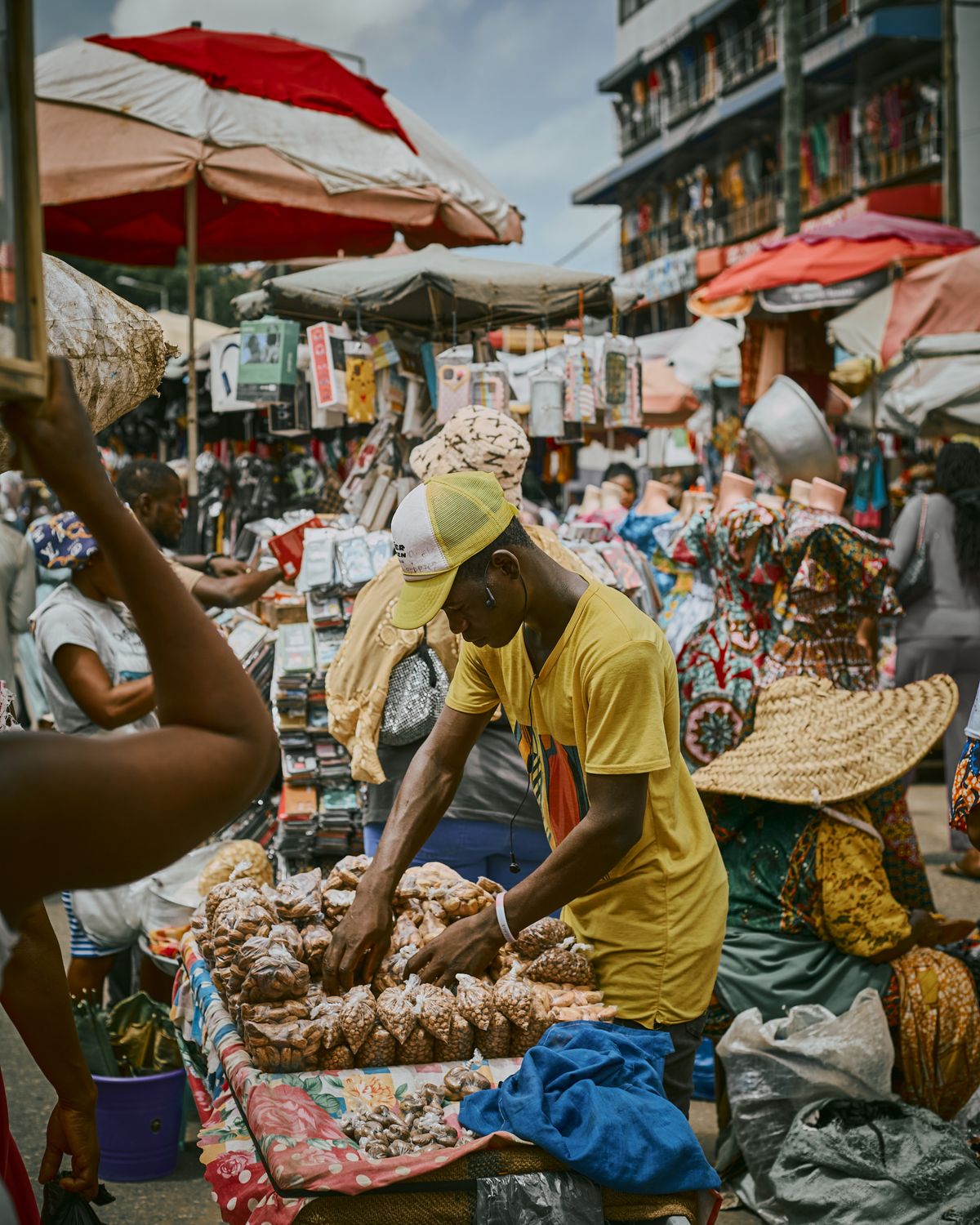
Stop 3: Mercado Central (Central Market)
Walk east on Avenida 25 de Setembro. The Mercado Central is Maputo's beating heart — a colonial-era iron structure (1901) overflowing with fish, spices, vegetables, baskets, and capulanas. The architecture itself is a cast-iron marvel, prefabricated in Portugal and shipped to Maputo.
Food: Sample fresh coconut water from vendors outside, and buy dried piri-piri chilies — the best souvenir in Maputo. Try matapa at a nearby cantina — cassava leaves cooked with coconut milk and peanuts.
Stop 4: Avenida Eduardo Mondlane
Walk south from the market along this main commercial street. Here you'll see the layered architectural history: 1960s concrete blocks, colonial villas with wraparound verandas, and the striking purple Cathedral of Our Lady of the Immaculate Conception.
Food: Stop at a leiteira (dairy bar) for a sumo natural (fresh fruit juice) and prego — a steak sandwich on Portuguese bread.
Stop 5: Maputo City Hall & Independence Square
The grand neoclassical City Hall (1947) faces Independence Square (Praça da Independência), where Mozambique's independence was declared in 1975. The square also features the statue of Samora Machel and the Independence Monument.
Architecture note: The contrast between the colonial City Hall and the independence monument tells Mozambique's political story in stone.
Stop 6: Casa de Ferro (Iron House)
Designed by Gustave Eiffel (yes, that Eiffel) in 1892, this prefabricated iron building was intended as the governor's residence. Nobody considered that an iron house in tropical Mozambique would function as an oven — it was abandoned almost immediately. It now houses a small museum.
Food: Grab a coxinha (chicken croquette) from a street vendor nearby.
Stop 7: Tunduru Botanical Gardens
Across the street, these gardens were designed by Thomas Honneyball in 1885 and feature exotic plants, ancient baobab trees, and resident monkeys. A shady respite from the Maputo sun.
Food: Try camarão grelhado (grilled prawns) from a vendor near the gardens' entrance.
Stop 8: Avenida Julius Nyerere & FEIMA
Walk east along this avenue lined with embassies and colonial-era homes toward the FEIMA craft market. FEIMA (Feira de Artesanato, Música e Gastronomia) is Maputo's best craft market and cultural space — vendors selling Makonde carvings, capulanas, basketry, jewelry, and art.
Food finale: FEIMA has food stalls serving frango grelhado (grilled chicken) with piri-piri, fresh cashews, and local beer (Manica or 2M). End the tour here with a cold drink, a full belly, and a bag of crafts.
Maputo's Architectural Heritage
The Three Layers
1. Colonial (1870s–1975): Maputo (then Lourenço Marques) was one of Portugal's most important colonial cities. The architecture reflects this — wide boulevards, colonial villas, and grand public buildings. Key features: wraparound verandas, pastel colors, wrought-iron balconies, and the distinctive calçada portuguesa (Portuguese mosaic paving in black and white stone patterns).
2. Post-Independence (1975–1990): Soviet-influenced functionalist blocks and socialist realist murals. The architecture of this period was about utility, not beauty — but the murals and monuments tell the story of a nation defining itself.
3. Contemporary (1990–present): New high-rises, shopping centers, and apartment buildings reflect Maputo's growth. The Chinese-funded international conference center and the new stadium contrast sharply with the colonial core.
The Calçada Portuguesa
Maputo's sidewalks are paved in the Portuguese style — black and white stone mosaic patterns, often creating wave motifs, compass roses, or geometric designs. These are being systematically destroyed as sidewalks are replaced with concrete. Photograph them while you can.
Practical Tips
- Safety: This walk is in the city center and is safe during daylight hours. Use normal urban awareness.
- Guides: Hire a local guide at the railway station for $10–15 — they add enormous value with historical context.
- Photography: Always ask before photographing people. Most architecture can be photographed freely.
- Cash: Bring small notes (meticais) for food stops and market purchases. USD also accepted at FEIMA.
- Timing: Start early (8:00 AM) to beat the heat and catch the market at its most vibrant.
- Hire a guide: Consider booking through a community-verified tour operator — check our directory.
The Bottom Line
Maputo rewards the curious walker. In a few hours, you traverse 500 years of history — from the cast-iron markets of the colonial era to the independence monuments of the post-colonial period. And between the buildings, every meal tells a story: Portuguese custard tarts, Mozambican matapa, Indian-influenced samosas, and cashews roasted on charcoal. This is a city best experienced on foot, one bite and one building at a time.