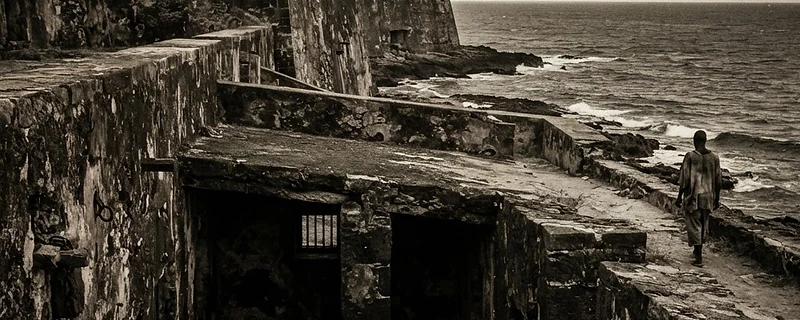
Explore the Mozambique slave trade routes history: an in-depth, respectful guide to the coastal ports, inland paths, and how to visit memorial sites ethically and support community heritage.
Mozambique Slave Trade Routes History: Coastal Paths & Memory
The story of Mozambique slave trade routes history is a long, complex, and deeply human one. It spans centuries, connecting inland societies, river corridors and coastal ports to wide Indian Ocean networks — shaped by African intermediaries, Arab and Swahili traders, Portuguese colonists, and global markets. This article traces major routes and ports, outlines the historical timeline, and offers practical, respectful advice for travellers who want to learn and support local communities preserving memory and heritage.
mozambique slave trade routes history: Origins and a brief timeline
To understand the Mozambique slave trade routes history, it helps to see how geography, commerce and power combined over time.
- Pre-colonial and early contacts: Long before European arrival, trade networks linked the interior of southeastern Africa with the Swahili coast. Local polities exchanged captives and labour with coastal merchants.
- Swahili-Arab coastal trade (10th–16th centuries): Kilwa, Sofala and other centres were hubs in the Indian Ocean. Slaves from the interior moved to coastal markets where they were sold to buyers across the Indian Ocean.
- Portuguese arrival and expansion (16th century onward): The Portuguese built forts and trading posts (notably at Ilha de Moçambique and Sofala), integrating local and coastal trade into Atlantic and Indian Ocean systems.
- 18th–19th centuries: Demand increased for labour in plantations and mines across the Indian Ocean world, Mozambique, and the Americas (particularly Brazil). The routes intensified, with human suffering on a vast scale.
- 19th-century abolition movements and suppression: British and other anti-slavery naval patrols, diplomatic pressure, and treaty-making altered the dynamics, but illegal trade and other forms of coercion persisted.
- Colonial period forced labour (late 19th–mid 20th centuries): Even after formal abolition, the imposition of forced labour, taxation and other colonial practices meant continued exploitation of Mozambicans.
These phases are not discrete; they overlap, and local experiences varied widely. What is constant is the deep human cost and the long shadow left on families, communities and landscapes.
Remembering is not an academic exercise alone. It is a responsibility to the living descendants and to the dignity of those whose lives were stolen.
mozambique slave trade routes history: Major coastal ports and inland corridors
Much of the movement of captives followed rivers and overland paths toward the coast. Several ports and corridors deserve attention:
Ilha de Moçambique and the northern strand
Ilha de Moçambique (in present-day Nampula Province) was one of the earliest Portuguese capitals in East Africa and a key node in the Indian Ocean trade. The island’s fort, colonial buildings and narrow streets still bear witness to centuries of commerce — including human commerce. For travellers, visiting the island responsibly can be a way to engage with layered histories; consider staying with local hosts such as the Ilha de Moçambique Family Homestay (/listing/6a8e595ebdace41cc02a4426) to put tourism dollars into the community. For regional context, see Nampula Province: The Crossroads of Mozambique.
Sofala, Beira and the Zambezi corridor
Sofala (near present-day Beira, Sofala Province) linked the rich goldfields of the interior to the sea. The Zambezi and its tributaries served as highways for people and goods. Riverine routes funneled captives from inland polities into coastal markets — a history explored in the broader context of the region in Sofala Province: Beira, Gorongosa & the City of Winds and in environmental rebirth stories such as Zambezi Delta: Rivers, Floods & Africa's Largest Wetland Rebirth.
Quelimane, Inhambane and southern ports
Quelimane and Inhambane were also important ports for the internal trade. From the Zambezia and Inhambane coastal regions, captives were shipped to plantations in the islands and to colonial markets. Visiting Quelimane respectfully, and basing stays with local hosts like the Quelimane Riverside Homestay (/listing/6a8e595ebdace41cc02a4430), can help support local heritage projects. For travellers planning a broader coastal itinerary, consult Inhambane Province: The Complete Travel Guide.
Pemba, Mocímboa da Praia and the northern routes
The far north — including the Pemba region and beyond — connected Mozambican interior polities to long-standing Swahili networks and the Arabian Sea. Goods and people moved northward toward the Arabian peninsula and the Indian subcontinent as well as into island markets.
Overland channels and the role of intermediaries
Inside Mozambique, many routes converged on river crossings, mountain passes and caravan trails. Local chiefs, slavers, traders and colonial intermediaries each played roles that shifted over time. The inland routes were not simply conduits; they were contested landscapes, and local memory is often preserved in oral histories, songs, and place names.
mozambique slave trade routes history: Human stories, archaeological traces and memory
Physical remnants include forts, warehouses and townscapes, but much of the history survives in memory — in family stories, song, dance and place-based rituals. Museums and local guides can help translate the past in ways that are respectful and community-led. Ilha de Moçambique’s fort of São Sebastião is an important site where architecture overlaps with memory.
Archaeologists and historians have uncovered material evidence of long-distance trade, while oral historians keep alive local perspectives on capture, resistance and resilience. Where possible, seek out community-run programs and craftspeople who maintain traditions connected to that history — for instance, supporting local artisans at craft markets or workshops helps preserve cultural expression and provides livelihoods; see Mozambique Crafts: From Makonde Carvings to Capulana Textiles for background on craft traditions.
mozambique slave trade routes history: Museums, memorials and responsible visiting
Visiting sites connected to the slave trade requires sensitivity. Some practical guidelines:
- Choose community guides and operators who work with local families and heritage groups.
- Avoid sensationalism: treat sites of suffering with quiet respect and take time to listen to local narratives.
- Support conservation and educational projects when possible, and buy from local cooperatives rather than large outside operators.
For cultural experiences that strengthen community ties, consider engaging with local dance and music programs such as the Chókwè Tsonga Music & Dance Experience (/listing/6a8e595ebdace41cc02a4433) or craft workshops and markets in towns along historic routes. These experiences connect you directly to living culture while contributing to local incomes.
Practical Tips for travellers exploring mozambique slave trade routes history
- Plan time for learning: allocate at least a full day in key centres (Ilha de Moçambique, Quelimane, Beira) to visit museums, local archives and oral historians.
- Hire local guides: insist on guides from local communities — they offer deeper, more accurate context and ensure your spending benefits local people.
- Stay locally where possible: homestays and community lodges like Ilha de Moçambique Family Homestay (/listing/6a8e595ebdace41cc02a4426) or Quelimane Riverside Homestay (/listing/6a8e595ebdace41cc02a4430) help distribute tourism income.
- Be culturally respectful: ask before photographing people or gatherings; accept refusals graciously.
- Read and reflect: bring or download materials that share Mozambican perspectives on history — local museums and guides will often recommend resources.
- Combine heritage travel with community projects: volunteer or donate to vetted local history projects and cooperatives — see community-focused examples in Women Cooperatives Mozambique: Empowering Communities Nationwide.
- Safety and logistics: roads vary by province (see Driving in Mozambique: Road Conditions, 4x4 Guide & Safety Tips). Plan for seasonal weather, and allow flexible time for river crossings and ferries.
How tourism can support remembrance and community benefit
Ethical heritage tourism can be a force for good if it follows a few basic principles:
- Local leadership: communities should lead the way in how their histories are presented.
- Economic fairness: ensure that guides, homestays, artisans and small operators are paid fairly.
- Education and interpretation: invest in signage, museums and school programs that teach local youth about their past.
Projects such as community homestays, cultural workshops and conservation-linked tourism (for example, community-guided reserves) are concrete ways travellers can direct funds to communities rather than external operators. Consider pairing heritage visits with conservation and cultural experiences like those offered by community listings and local guides.
Key sites and community experiences to consider
- Ilha de Moçambique: historic architecture and the Fort of São Sebastião; stay with local hosts (/listing/6a8e595ebdace41cc02a4426).
- Quelimane: explore riverine culture and local history; consider a homestay (/listing/6a8e595ebdace41cc02a4430).
- Chókwè and Gaza cultural experiences: traditional music and dance that keep history alive (/listing/6a8e595ebdace41cc02a4433). For regional culture, see Gaza Province: Beaches, Parks & Tsonga Culture.
- Sofala and the Zambezi Delta: river histories and conservation projects Zambezi Delta: Rivers, Floods & Africa's Largest Wetland Rebirth.
Practical ethics for research and storytelling
If you are a researcher, journalist or storyteller, bear these responsibilities in mind:
- Consent and sensitivity: obtain clear consent for interviews, and be careful when sharing personal stories.
- Attribution and benefit: where possible, create materials (translations, recordings) that communities can use locally.
- Avoid exploitation: do not sensationalize trauma for clicks or entertainment.
FAQ — Frequently Asked Questions
Q: Is it possible to visit slave-trade sites in Mozambique today?
A: Yes. Sites such as Ilha de Moçambique and historical areas in Quelimane and Sofala have material remains and local histories. Visit with local guides and prioritize community-run experiences to ensure respectful interpretation.
Q: Are there museums or memorials dedicated specifically to the slave trade in Mozambique?
A: While Mozambique has historical museums and forts (for example, on Ilha de Moçambique), there are relatively few large, nationally funded memorial museums focused exclusively on the slave trade. Much memory work happens at local museums, community centres and through oral history projects. Ask local guides about community projects and recent exhibitions.
Q: How can I travel ethically when exploring this history?
A: Hire local guides, stay in community homestays, buy from local artisans, ask permission before photographing, donate to vetted local heritage initiatives, and prioritize operators that reinvest in communities. Listings like the Quelimane Riverside Homestay (/listing/6a8e595ebdace41cc02a4430) and cultural experiences such as Chókwè Tsonga Music & Dance Experience (/listing/6a8e595ebdace41cc02a4433) are examples of community-based options.
Q: Can I trace family ancestry connected to the slave trade in Mozambique?
A: Genealogical work in this context is challenging. Oral histories, local clan records, and church or mosque registries can sometimes help. Collaborative projects with local historians, universities and community archives offer the best prospects.
Q: When is the best time to visit historically important sites?
A: Mozambique’s dry season (May–October) is generally the most comfortable for travel. However, specific programs or community events may occur year-round; contact local operators or community centres in advance.
Conclusion: Why the mozambique slave trade routes history matters today
The mozambique slave trade routes history is not just a chronicle of movement; it is a mosaic of human lives, resistance and resilience that shaped the nation’s demography, culture and landscapes. Learning about these routes — through museums, community guides, homestays and respectful listening — helps honours the memory of those affected and supports living communities seeking to preserve and teach their histories. Travel here can be an act of solidarity when it is ethical, community-led and attentive to dignity.
For further reading on Mozambique’s layered past and present, consider exploring related guides such as Mozambique Independence: Samora Machel & the Birth of a Nation, and regional travel resources like Inhambane Province: The Complete Travel Guide and Sofala Province: Beira, Gorongosa & the City of Winds. If you plan to visit, prioritize community experiences like the Ilha de Moçambique Family Homestay (/listing/6a8e595ebdace41cc02a4426) and other local projects — they turn remembrance into tangible benefits for people who carry this history forward.
Acknowledging painful pasts is never easy, but it is essential. By travelling thoughtfully, supporting local stewardship and listening with humility, visitors can contribute to a future in which memory, dignity and community wellbeing are at the centre of Mozambique’s living heritage.