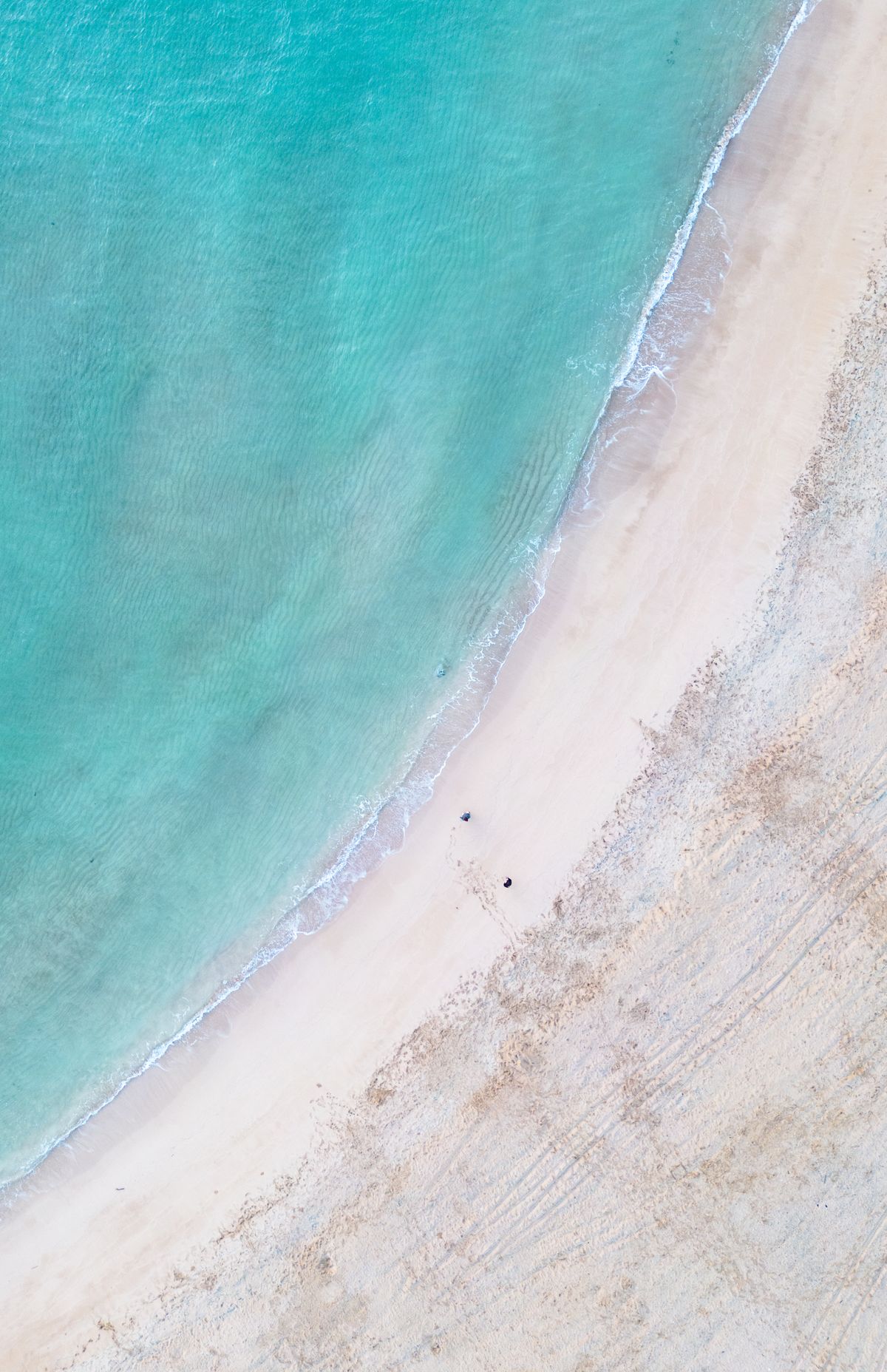
Gaza bridges Mozambique's south and center — with the Limpopo River valley, the beaches of Xai-Xai and Bilene, Banhine National Park, and the rich traditions of the Tsonga people.
Gaza Province: Beaches, Parks & Tsonga Culture
Gaza is the province most travelers pass through on the EN1 highway between Maputo and the north — and almost all of them are missing something extraordinary. From the warm lagoon waters of Bilene to the elephant paths of Banhine, from the Tsonga cultural heartland to the Limpopo's fertile floodplains, Gaza is a province of quiet abundance.
Understanding Gaza
Geography
Gaza covers 75,709 km² in southern Mozambique, bordered by Maputo Province to the south, Inhambane to the northeast, Sofala to the north, and Zimbabwe and South Africa to the west. The Limpopo River — one of Africa's great rivers — flows through the province before reaching the Indian Ocean at Xai-Xai.
Climate
Subtropical, with a distinct wet season (November–March) and dry season (May–September). Coastal areas are warm year-round (25–32°C). Summer can be extremely hot in the interior (35–40°C). The best time to visit is May–October.
People
The Tsonga (also called Changana) people are the dominant ethnic group, with smaller communities of Shangaan and Ndau. Gaza is the cultural heartland of the Tsonga people, and their language, music, and traditions are the living soul of the province.
Top Experiences
1. Xai-Xai Beach & the Limpopo Mouth
Xai-Xai (pronounced "shai-shai") is Gaza's capital and the gateway to some of southern Mozambique's most underrated beaches.
Xai-Xai Beach (Praia do Xai-Xai): A long, wide stretch of sand 10 km from the city center. The reef-protected bay is safe for swimming, and the beach is lined with holiday homes and small restaurants serving fresh fish. The Wenela Tidal Pool — a natural rock pool — is perfect for snorkeling at low tide.
Limpopo River Mouth: Where one of Africa's great rivers meets the sea. The estuary is a birdwatcher's paradise — flamingos, herons, kingfishers, and fish eagles. Local fishermen launch their boats here at dawn, a scene unchanged for centuries.
2. Bilene (São Martinho)
A stunning natural lagoon 160 km north of Maputo. The Uembje Lagoon is a vast, warm, saltwater body separated from the ocean by a narrow sandbar.
What to do:
- Swimming and kayaking — calm, warm waters perfect for families
- Sand dune hiking — cross the sandbar for pristine ocean beaches
- Water sports — wakeboarding, waterskiing, paddleboarding
- Beach relaxation — Bilene is Maputo's weekend escape, with restaurants, bars, and accommodation ranging from campsites to lodges
3. Banhine National Park
One of Mozambique's least-visited national parks — and one of its most rewarding for those who venture in. Banhine covers 7,000 km² of arid savanna, wetlands, and pans.
What to see:
- Elephants, reedbucks, impalas, ostriches, and over 200 bird species
- Seasonal wetlands that attract massive flamingo gatherings
- Community-guided bush walks explaining traditional ecological knowledge
- The park is part of the Greater Limpopo Transfrontier Conservation Area, connecting with Kruger National Park in South Africa and Gonarezhou in Zimbabwe
Practical note: No luxury lodges here — Banhine is for self-sufficient travelers with 4x4 vehicles and camping gear. Contact community guides at the park headquarters in Chókwè.
4. Limpopo Valley Communities
The Limpopo River valley is Gaza's agricultural heartland — rice, maize, vegetables, and cattle. Communities here have lived with the river's rhythms for generations, and tourism initiatives are now helping them share their way of life.
What to do:
- Community visits — learn about traditional irrigation, farming, and the cultural significance of the Limpopo
- Covane Community Lodge — a community-owned lodge on a dramatic rocky outcrop overlooking the Elefantes River. Hiking, fishing, and community cultural experiences.
- Cultural festivals — the Tsonga people's Timbila music (masterpiece of the oral and intangible heritage of humanity, UNESCO) is performed at gatherings. The marimba-like m'bigalo produces a hypnotic, cascading sound unlike anything else.
5. Chókwè
The agricultural capital of Gaza — vast irrigation schemes fed by the Limpopo make this one of Mozambique's most productive farming regions. Chókwè is also the cultural center of the Tsonga music and dance tradition, with regular community gatherings featuring marrabenta-infused rhythms and traditional dancing.
Chimoio Craft Collective and local markets offer Tsonga beadwork, basketry, and the distinctive xibelani skirt — a brightly colored, layered garment worn by Tsonga women for traditional dances.
Tsonga Culture: The Heart of Gaza
The Xibelani Dance
The xibelani is the iconic Tsonga dance — women wear a specially made, multilayered skirt (the xibelani) and perform a vigorous, shaking dance that makes the skirts swirl in spectacular fashion. The dance is performed at celebrations, ceremonies, and community gatherings. Learning a few steps is a guaranteed ice-breaker with any Tsonga community.
Tsonga Music
The timbila (a type of marimba) is the most significant traditional instrument — masters called timbilistas compose and perform complex, polyrhythmic music that has been recognized by UNESCO. Each timbila is carved from a specific wood and tuned to the master's preference, creating a sound that's both percussive and melodic.
Tsonga Cuisine
- Xigua — roasted pumpkin leaves cooked with peanuts
- Tihove — a thick porridge of ground pumpkin seeds
- Mopane worms (mahué) — a protein-rich delicacy, dried or cooked in tomato sauce
- Xicamango — wild fruit, eaten fresh or fermented into beverages
How to Get There
- By road from Maputo: EN1 north — Bilene is 160 km (2 hours), Xai-Xai is 220 km (3 hours), Chókwè is 200 km (3 hours). The EN1 is paved and in good condition through Gaza.
- By bus: Multiple daily buses from Maputo (Chapas and intercity coaches) to Xai-Xai and Chókwè.
- By air: No commercial airports. Nearest is Maputo International.
Where to Stay
- Bilene: Various lodges and guesthouses from budget to mid-range
- Xai-Xai Beach: Holiday homes, lodges, and camping
- Covane Community Lodge: Community-owned, basic but memorable
- Chókwè: Basic guesthouses
The Bottom Line
Gaza is the province that has everything — beaches, rivers, wildlife, and one of Mozambique's most vibrant cultural traditions. It's accessible, affordable, and authentic. The Tsonga people's warmth and cultural richness make every interaction memorable. Skip the bypass and spend a few days in Gaza — you'll wonder why everyone rushes past.