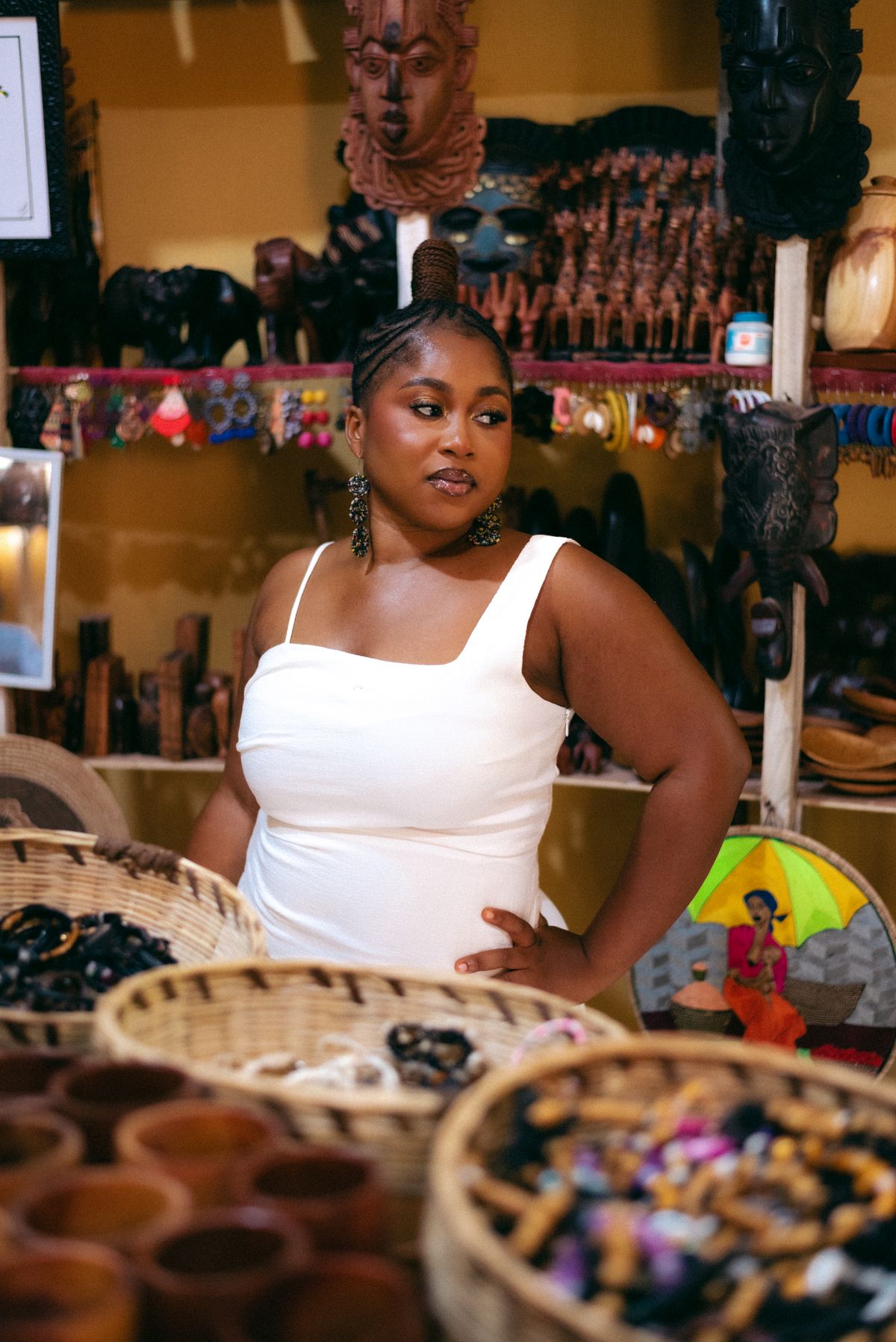
Mozambique has one of Africa's richest craft traditions: Makonde wood carvings, capulana textiles, Ibo Island silver filigree, Tsonga basketry, and Makua pottery. Here's what to buy, where, and what it means.
Mozambique Crafts: From Makonde Carvings to Capulana Textiles
Mozambique has one of Africa's richest craft traditions. From the world-renowned wood carvings of the Makonde to the vibrant capulana textiles worn by every woman in the country, Mozambican crafts are both art forms and living cultural expressions. Here's the complete guide.
The Big Five Crafts
1. Makonde Wood Carving
The pinnacle of Mozambican art. The Makonde people of northern Mozambique (Cabo Delgado and Niassa) have been carving wood for centuries, but the modern tradition emerged in the 1950s when Makonde artists began creating works for the art market rather than purely ceremonial use.
Three styles:
- Shetani (spirits) — abstract, surreal, often disturbing figures representing the spirit world. The most famous and collectible style.
- Dimoongo/Ujamaa (tree of life) — a single piece of wood carved into a vertical column of interlinked human figures, symbolizing family, community, and interconnectedness. These can be 2–4 meters tall.
- Realist — depictions of daily life: women grinding grain, men hunting, animals, dancers.
The wood: African blackwood (Dalbergia melanoxylon, mpingo) — extremely hard, dense, and dark. One of the most expensive woods in the world. Also used for clarinets and bagpipes. The wood is so dense it sinks in water.
Where to buy: FEIMA market in Maputo, Pemba markets, community workshops on the Makonde Plateau. Prices: $20 for small pieces, $200–2,000+ for large Dimoongo pieces.
2. Capulana
The capulana is Mozambique's textile — a 2-meter length of brightly printed cotton fabric worn as a skirt, dress, shawl, head wrap, baby carrier, picnic blanket, curtain, or anything else you can imagine. Every Mozambican woman owns at least a dozen.
The fabric: Cotton, printed with wax-resist or roller-printing techniques. Patterns range from geometric designs to figurative scenes depicting proverbs, current events, or brand logos.
Cultural significance: Capulanas communicate. The pattern a woman wears can signal her mood, her marital status, or a social message. Some patterns have names and meanings known to all — wearing the wrong pattern at the wrong occasion is a faux pas.
Where to buy: Every market in Mozambique. Prices: $3–8 per capulana. FEIMA in Maputo for higher-quality designs.
3. Ibo Island Silver Filigree
The silversmiths of Ibo Island in the Quirimbas create intricate filigree jewelry using techniques that date to the Arab traders who visited the coast centuries ago.
The technique: Silver wire, thinner than thread, is shaped into spirals, flowers, and geometric patterns, then soldered together to create rings, earrings, pendants, and bracelets. Each piece is unique and handmade. No two are identical.
Where to buy: Directly from silversmiths on Ibo Island. Prices: $10–100+ depending on complexity and silver weight.
4. Basketry
Every region of Mozambique has distinctive basket traditions:
- Tsonga baskets (Gaza) — tightly woven with geometric patterns, natural dyes
- Makua baskets (Nampula) — large, coiled baskets in earth tones
- Ndau baskets (Manica) — finer weave, often with lids, used for storage
Where to buy: Local markets everywhere, FEIMA in Maputo. Prices: $5–30.
5. Pottery
Mozambican pottery is predominantly functional — cooking pots, water vessels, and storage containers made from local clay. But the tradition is beautiful in its simplicity.
- Makua black-clay (Nampula) — distinctive dark pottery fired in reducing conditions
- Sena pottery (Zambezia valley) — red-clay vessels with geometric incised patterns
- Ronga pottery (Maputo) — simpler forms, often decorated with painted patterns
Where to buy: Local markets, pottery villages near Nampula and Quelimane. Prices: $2–20.
Other Notable Crafts
Reed Mats (Esteiras)
Woven from reeds or palm leaves, used as floor coverings, wall hangings, and sleeping mats. Each region has distinctive patterns and colors. Prices: $5–15.
Wood Masks
Distinct from Makonde fine art, ceremonial masks are used in cultural performances across Mozambique:
- Mapiko masks (Makonde) — used in initiation ceremonies
- Nyau masks (Chewa/Nhungwe) — Gule Wamkulu masquerade tradition, UNESCO heritage
- Tsonga masks — used in xibelani performances
Coconut Shell Crafts
Bowls, spoons, and decorative items carved from coconut shells. Common in coastal areas. Prices: $2–10.
Batik
Hand-painted fabric panels depicting Mozambican scenes — wildlife, landscapes, daily life. Popular as wall hangings. Prices: $10–50.
Where to Buy Crafts
FEIMA (Maputo)
The Feira de Artesanato, Música e Gastronomia — Maputo's premier craft market. The best selection of quality crafts from across Mozambique. Fixed prices (mostly), higher quality than street markets. Safe, covered, with food stalls and live music.
Local Markets
Every town has a mercado where crafts are sold alongside food and household goods. Prices are lower but quality varies. Bargaining expected.
Community Workshops
The most ethical and authentic source. Buy directly from the artisans who made the pieces. Check our directory for community-verified craft markets and workshops.
What NOT to Buy
- Ivory — illegal, and trade supports elephant poaching
- Coral — removal damages reef ecosystems
- Tortoise shell — all species protected
- Unsustainably harvested ebony or blackwood — look for certified or community-sourced pieces
The Bottom Line
Mozambican crafts are not souvenirs — they're cultural artifacts that carry centuries of tradition, skill, and meaning. When you buy a Makonde carving, you support a master carver and an artistic lineage. When you buy a capulana, you participate in a 500-year-old textile tradition. When you buy Ibo silver, you help preserve one of the rarest jewelry-making techniques in the world. Buy directly from artisans, pay fair prices, and carry home a piece of Mozambique's living culture.