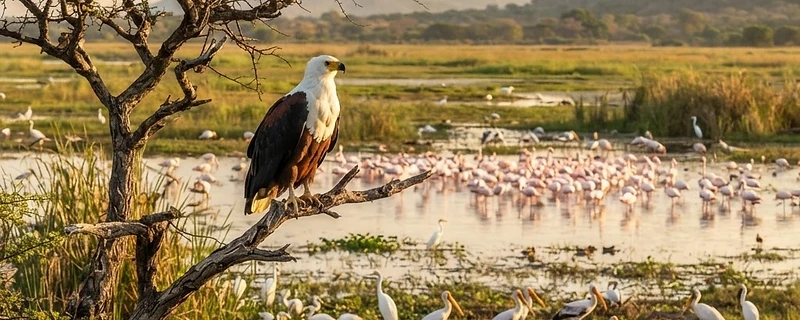
Discover a practical Mozambique birdwatching guide: top sites, endemic species, seasons, ethical tips, and community-led experiences to watch birds across the country.
Mozambique Birdwatching Guide: Where to Watch Birds Nationwide
The following mozambique birdwatching guide is written for travellers, photographers, and conservation-minded visitors who want to see the country’s spectacular birds while supporting communities and protecting habitats. From coastal mangroves and dunes to miombo woodlands and floodplain wetlands, Mozambique offers an extraordinary range of habitats and species — including endemics and great migrant concentrations.
"Birds connect landscapes and people. Watch with care, learn from local guides, and let your presence benefit habitats and communities." — Practical guiding principle
mozambique birdwatching guide: Best Regions & Sites
Mozambique’s long coastline, large rivers, wetlands and interior highlands mean birding opportunities are spread across provinces. Below are some of the top regions and the species groups they’re known for.
Niassa Reserve (Niassa)
The Niassa Reserve is one of Africa’s largest miombo wildernesses and a prime site for woodland and savanna species. Look for:
- Miombo specialists: African pitta (rare), Stierling’s wren-warbler (localized), and Miombo rock-thrush.
- Raptors and large birds: lappet-faced vulture, bateleur, and martial eagle.
Accommodation and eco-lodging options are limited but growing; consider staying at community-linked camps such as Lake Niassa Shore Camp which support local conservation efforts. Learn more about the region in our feature on Niassa Reserve: Lions, Elephants & Africa's Largest Miombo Wilderness.
Zambezi Delta & Marromeu (Zambezia / Sofala)
The Zambezi Delta and the Marromeu floodplain are internationally important wetlands for waterbirds and migratory species. Seasons of high water transform the landscape and concentrate wildlife.
- Key species: African skimmer, wattled crane (increasing), slaty egret, and many herons and storks.
- Visit community-guided safaris such as the Marromeu Buffalo Reserve Community Guides to ensure your visit supports local livelihoods.
For a deeper look at the delta’s recovery and conservation, see Zambezi Delta: Rivers, Floods & Africa's Largest Wetland Rebirth.
Gorongosa & Sofala Plains (Sofala)
Gorongosa National Park’s mosaic of grassland, woodland and riverine habitats supports diverse birdlife — from ground-dwelling species to canopy specialists.
- Notables: Pel’s fishing-owl (riverine), African broadbill, and a rich raptor assemblage.
Combine birding with cultural experiences in nearby areas; local guides and projects often welcome birdwatchers and conservation tourists.
Inhambane & Coastal Islands (Inhambane)
The Inhambane coast and nearby islands offer superb shorebird, seabird and mangrove birdwatching. Highlights include crab-plover, greater flamingo during migration, and a variety of terns.
- Try conservation-linked experiences such as the Inhambane Mangrove Restoration & Kayak Experience to pair birding with habitat restoration.
- For whale shark season and coastal wildlife, see Whale Shark Mozambique Guide: Inhambane’s Gentle Giants and our Best Beaches Inhambane Province: Guide to Coastal Gems.
Maputo & Futi River Corridor (Maputo Province / Maputo City)
The Maputo area combines coastal wetlands, estuaries and the Futi River Corridor — good for migrants, waterbirds and some forest species.
- A growing number of community and conservancy projects work here; consider supporting the Futi River Corridor Conservation and nearby eco-lodges such as Marracuene Riverside Lodge.
For more on coastal escapes and reserves in the province, check Maputo Province: Beaches, Reserves & Coastal Escapes.
Nampula & Ilha de Moçambique (Nampula)
Seabirds, terns and island endemics can be found around Ilha de Moçambique and off Nampula’s coast. Coastal communities with homestays offer authentic cultural exchanges; consider staying at Ilha de Moçambique Family Homestay.
Manica Highlands & Eastern Highlands (Manica)
Higher elevation forests and escarpments hold localized and forest-edge species. The Manica highlands are also an excellent place to combine birdwatching with cultural visits to permaculture centres like the Manica Highlands Permaculture & Culture Centre.
mozambique birdwatching guide: Species to Look For
Mozambique supports a mix of southern African endemics, regional specialties and Palearctic migrants. Key groups to target:
- Miombo specialists: Look and listen for bushshrikes, greenbuls, and warblers adapted to miombo woodlands.
- Wetland and waterbirds: Herons, storks, ibises, African skimmer and pelicans in deltas and floodplains.
- Shorebirds and seabirds: Crab-plover, terns, gulls and seasonal flocks of sandpipers.
- Raptors and vultures: From small falcons to eagles; watch thermals in open country.
- Forest and escarpment species: African broadbill, crowned eagle (rare), and several localized endemics.
For an overview of the country’s fauna and how birds fit into broader wildlife tours, read Mozambique Wildlife: The Complete Animal Guide.
Planning & Seasons — When to Go
Timing depends on what you want to see:
- Dry season (May–October): Best overall for inland birding and easier access to reserves and roads. Water concentrates birds on remaining wetlands, improving sightings.
- Wet season (November–April): Excellent for migrants and breeding behaviour, lush scenery and many forest passerines, but some roads and camps may be inaccessible.
For month-by-month climate detail and how it affects wildlife viewing, consult our Best Time to Visit Mozambique: A Month-by-Month Climate Guide.
Conservation, Community & Ethical Travel
Birdwatching in Mozambique is most sustainable when it benefits local communities and conservation efforts. Consider these principles:
- Hire local guides and community-led projects. They know the land, birds, and cultural protocols and your fees support livelihoods.
- Choose operators and lodges that reinvest in conservation, anti-poaching and habitat restoration projects.
- Minimise disturbance: keep distance from nests, limit time near feeding birds, and avoid playback in sensitive areas unless permitted by local experts.
Community-linked examples include Marromeu Buffalo Reserve Community Guides and village homestays. Homestays like Quelimane Riverside Homestay or village experiences help ensure tourism revenue stays local.
Practical Tips for Mozambique Birdwatching
Below are hands-on recommendations for the field and planning your trip.
Gear and optics
- Binoculars: 8x42 or 10x42 are versatile choices. Bring a compact spotting scope for wetlands and distant skuas/terns.
- Field guides: Carry a southern African birds guide (e.g., Roberts Field Guide series). Offline apps can help where mobile coverage is poor.
- Clothing: Neutral colours, lightweight layers, sun protection and good walking shoes. In mosquitos zones, long sleeves and permethrin-treated clothing help.
Health, safety and logistics
- Vaccinations and health: Follow our Mozambique Health & Vaccination Guide: What Travelers Need to Know and take malaria precautions where recommended.
- Transport: Many birding sites require 4x4 access — see Driving in Mozambique: Road Conditions, 4x4 Guide & Safety Tips for practical advice.
- Local currency and payments: Cash remains king in remote areas; let hosts know if you can pay in local currency to support them.
Guide etiquette and community respect
- Ask permission before photographing people and cultural sites.
- Learn a few phrases in Portuguese or local languages to show respect.
- Purchase crafts and services directly from makers and community vendors; support projects such as the Chimoio Craft Collective or local markets.
Booking and seasonal access
- Plan lodgings early for high season (dry months) and coordinate with local guides for access permits and boat transfers.
- For island and mangrove experiences, consider conservation-linked tours such as Inhambane Mangrove Restoration & Kayak Experience.
Photography & Citizen Science
- Respect nesting birds and keep flash use minimal. Use a telephoto lens and allow birds to behave naturally.
- Contribute records to platforms like eBird or local conservation groups to help fill the country’s data gaps. Many community guides welcome collaborative monitoring projects.
Where to Stay: Community & Eco Options
Staying with community initiatives or eco-lodges increases the conservation benefit of your trip. A few examples:
- Lake Niassa Shore Camp — community-minded base for northern birding expeditions.
- Marromeu Buffalo Reserve Community Guides — join guided tours that benefit local conservation.
- Quelimane Riverside Homestay — combine riverine birding with homestay hospitality.
Sample 7–10 Day Itineraries
- Northern Miombo & Lakes (Niassa & Lake Niassa): Focus on woodland specialists and big miombo species.
- Zambezi Delta & Marromeu: Ideal for waterbirds and floodplain specialists; combine with a community guide.
- Inhambane Coast & Islands: Shorebirds, seabirds, mangroves and reef-edge species; pair with a mangrove restoration experience.
FAQ
Q: When is the best time for birdwatching in Mozambique?
A: For inland reserves and broad species diversity, the dry season (May–October) is usually best because roads are passable and water concentrates birds. For migrants, breeding displays and lush forest birds, the wet season (November–April) can be rewarding though some areas may be harder to access.
Q: Do I need special permits to birdwatch in national parks or reserves?
A: Entry fees and permits are standard for national parks. Some community areas require advance booking or guide arrangements. Your local guide or lodge will usually handle permits — always confirm before travel.
Q: Is birdwatching safe for solo travellers or families?
A: Many birding sites are safe when visited with a reputable guide or lodge. For solo female travellers, consult resources like Solo Female Travel in Mozambique: Safety, Tips & Stories. Basic precautions, local guidance, and daytime travel minimize risks.
Q: How can my visit benefit local communities?
A: Hire local guides, stay in community lodges, buy crafts directly, and support conservation projects. Experiences like the Marromeu Buffalo Reserve Community Guides and homestays ensure tourism revenue remains local.
Q: Are there endemic bird species in Mozambique?
A: Mozambique hosts regional endemics and localized populations, particularly in miombo woodlands and coastal islands. While the country has fewer species found only within its borders, many important and range-restricted species occur here.
Conclusion: mozambique birdwatching guide — Final Thoughts
This mozambique birdwatching guide aims to help you plan a responsible, rewarding birding trip that celebrates Mozambique’s varied habitats and supports local communities. With preparation — the right season, local guides, and ethical practices — you can enjoy excellent sightings from Niassa’s woodlands to the Zambezi Delta’s floodplains and Inhambane’s mangroves.
Birdwatching in Mozambique is about more than ticks on a list: it is an opportunity to learn, to give back, and to celebrate an immeasurably rich avian heritage. Travel thoughtfully, hire locally, and leave places better than you found them.
If you’d like help planning a tailored itinerary, combining birding with cultural experiences or conservation projects, I can recommend specific guides and dates based on your interests and fitness level.
References & Further Reading
- Niassa Reserve: Lions, Elephants & Africa's Largest Miombo Wilderness
- Zambezi Delta: Rivers, Floods & Africa's Largest Wetland Rebirth
- Inhambane Province: The Complete Travel Guide
- Mozambique Wildlife: The Complete Animal Guide
Community Listings Mentioned
- Lake Niassa Shore Camp
- Marromeu Buffalo Reserve Community Guides
- Inhambane Mangrove Restoration & Kayak Experience
Practical links
- Mozambique Health & Vaccination Guide: What Travelers Need to Know
- Driving in Mozambique: Road Conditions, 4x4 Guide & Safety Tips
Safe travels and clear skies — may your binoculars reveal many unforgettable moments in Mozambique’s wild places.