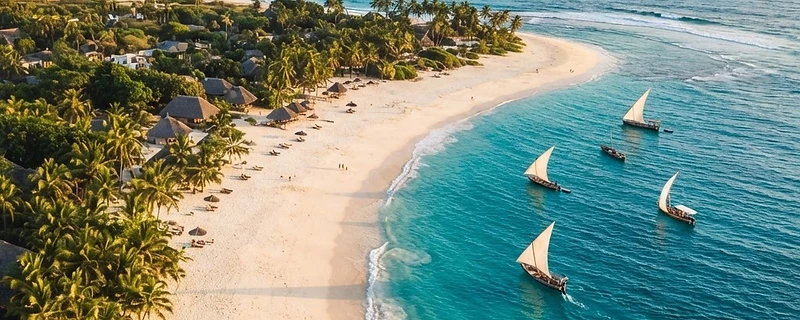
Explore the best beaches inhambane province — from Bazaruto's sapphire reefs to secret tidal islands. Practical tips, ethical travel advice, and community-focused listings.
Best Beaches Inhambane Province: Guide to Coastal Gems
Inhambane Province is one of Mozambique’s most radiant coastal treasures, and this guide to the best beaches inhambane province will help you navigate its reef-fringed bays, quiet tidal islands, and lively fishing towns. Whether you seek world-class diving in Bazaruto, quiet stretches of sand for reflective walks, or community-led experiences that return value to local people, the coastline here rewards curiosity, patience, and respect.
Why Inhambane Province is Mozambique’s Beach Heartland
Inhambane’s coastline stretches from the mangrove-lined estuary of the Inhambane river to the coral-archipelagos off Vilanculos and beyond. The province offers a remarkable range of beach experiences within a short drive or boat ride: powdery sand, turquoise shallows, deep-water channels for big-game fishing, and coral gardens ideal for snorkeling and freediving.
But the beaches are more than scenery. These shores are lived-in places where small-scale fishers, dhow builders, and craft makers sustain families and cultures. Thoughtful travel here means appreciating natural beauty while supporting local economies and conservation.
“Beach time in Inhambane is never just about the sea — it’s an invitation to listen to communities and to give back.”
If you’re preparing for a trip, pair this guide with practical planning resources like Mozambique Packing List: What to Bring for Every Province and transportation notes in Mozambique Transportation Guide: Getting Around Nationwide.
Best beaches inhambane province — Top picks and what makes them special
Below are the beaches and coastal areas that consistently stand out for visitors and locals alike. I’ve grouped them by experience so you can match a shore to your travel style.
Bazaruto Archipelago (Bazaruto Island & surroundings)
The Bazaruto Archipelago is often the first name travelers cite when asked about Mozambique’s best beaches. This chain of islands — with shimmering reefs and lagoons — offers some of the clearest water and healthiest coral on the Southeast African coast.
- Highlights: world-class snorkeling and diving, dugong and whale sightings, secluded beach lodges.
- Best for: snorkelers, divers, romantics and photographers.
Plan boat-based excursions to see coral pinnacles and the famous crescent beaches of Bazaruto and Benguerra. For more about the archipelago and its appeal, see Bazaruto Archipelago: Africa's Most Underrated Beach Destination.
Vilanculos & the dhow corridor
Vilanculos is the gateway town for day trips to the islands and a wonderful beach in its own right. The coastline here is punctuated with local markets, craft sellers, and the traditional dhows that still move people and goods along the shore.
- Highlights: easy boat access to nearby islands, vibrant seaside markets, family-run restaurants.
- Best for: easy island-hopping, cultural encounters, convenient logistics.
Support local artisans at the Vilanculos Craft Market, where purchases help households and small workshops thrive.
Tofo Beach (Tofo & Barra beaches)
Tofo’s long, luminous beach is famous for surf, manta rays, and a lively backpacker and dive community. Barra, to the south, is quieter and offers excellent surf breaks.
- Highlights: manta ray and whale shark experiences, surf, relaxed cafés and dive schools.
- Best for: divers, surfers, travellers seeking a social beach scene.
Diving operators here are small, locally run outfits. Choose operators who employ local guides, follow low-impact practices, and invest in education for young divers.
Ilha de Jangamo and Ponta do Ouro-style tidal islands
Small tidal islands and sandbanks near the shore create changing landscapes of lagoons and beaches that are perfect for exploratory walks at low tide. These places shift with the seasons but always reward those who respect tidal patterns and local guidance.
- Highlights: tidal sandbanks, birdlife, remote picnics.
- Best for: photographers, bird watchers, quiet retreats.
Govuro & the quiet northern shores
Farther north, Govuro offers broad, empty beaches where you can still find solitude. Small villages along the way invite respectful exchanges and glimpses of coastal life.
- Highlights: undisturbed beaches, small-scale fishing communities.
- Best for: off-grid travellers, slow travel, cultural exchange.
Where to stay, eat, and how to get around
Getting into Inhambane can be part of the adventure. Domestic flights land in Vilanculos from Maputo and Beira at times of year; buses and private transfers connect Inhambane city, Tofo, and Vilanculos. For detailed transit advice, consult Mozambique Transportation Guide: Getting Around Nationwide.
- Accommodation ranges from high-end eco-lodges to family-run guesthouses and community homestays. Choose places that show clear commitment to responsible employment and environmental stewardship.
- Food is a highlight: try fresh seafood, grilled prawns, and local staples like matapa. For recipes and culinary context, see Matapa Recipe Mozambique: Authentic Coconut & Leaf Stew.
If you want an on-the-water conservation experience that links mangrove protection with local livelihoods, consider booking the Inhambane Mangrove Restoration & Kayak Experience. Activities like this help preserve nursery habitats that support both fisheries and coral systems offshore.
Responsible travel: how to enjoy the best beaches inhambane province ethically
Inhambane’s beaches are shared spaces where ecological health and community well-being are intertwined. Observing simple ethical practices makes a big difference:
- Pay local prices for crafts and services; this supports families directly. Buy from community market sellers rather than souvenir stalls that don’t employ locals.
- Choose local guides and operators — they hold knowledge of currents, tides, and community protocols.
- Avoid single-use plastics and participate in or support beach clean-ups.
- Respect fishing gear and nesting sites — don’t anchor on reefs and keep distance from turtles and nesting birds.
A responsible approach is also practical: it keeps beaches clean and fish populations healthy, which in turn sustains tourism and local livelihoods.
Practical Tips
Here are hands-on tips to make your trip safe, enjoyable, and respectful.
Before you go
- Book accommodations and key excursions in advance during high season (July–November). Consider shoulder seasons for quieter beaches.
- Read the essentials: Mozambique Visa Requirements: Complete 2026 Entry Guide and Mozambique SIM Card & Internet Guide — Nationwide Practical Tips.
- Pack reef-safe sunscreen, a reusable water bottle, and lightweight sun protection. Use our country packing list: Mozambique Packing List: What to Bring for Every Province.
On the ground
- Cash is king in small towns. Carry some Meticais for markets and tips.
- Taxis and pontoons operate on trust; agree fares up front. Look for licensed operators when booking dive or boat trips.
- Be mindful of tides and currents — always check with your lodge or guide before swimming beyond the shore break.
Safety and health
- Stick to bottled or filtered water. Eat from reputable vendors.
- If you plan to dive, make sure your certification is current and that the operator follows safety rotations for nitrogen exposure on successive dives.
- Keep mosquito repellent handy, especially at dusk and in mangrove areas.
Cultural respect and community benefit
Inhambane people value warm hospitality and cultural pride. A few points of etiquette:
- Greet with a smile and a handshake; show curiosity but don’t take photographs of people without asking.
- When visiting markets or villages, buy deliberately and ask permission before entering private compounds.
- Consider experiences that share revenue: homestays, community-run tours, and conservation projects scale benefits across households.
If you want a meaningful local interaction tied to conservation, the Inhambane Mangrove Restoration & Kayak Experience is a model that channels visitor funds into habitat protection and local employment.
Packing and budget considerations
- Budget: Inhambane can be both economical and luxurious. You can travel on a modest budget by choosing guesthouses and local restaurants, or splurge on private island stays and guided dives.
- Essentials to pack: reef-safe sunscreen, light rain jacket (in summer months), sturdy sandals, a snorkel set if you prefer your own gear.
- Electrical: Mozambique uses types C and M plugs; bring an adapter if needed.
Sample beach itinerary (4 days)
- Day 1: Arrive Vilanculos — evening beach walk and market visit. Buy crafts at Vilanculos Craft Market.
- Day 2: Day trip to Bazaruto — snorkeling and beach picnic.
- Day 3: Transfer to Tofo — afternoon dive or manta-watching trip.
- Day 4: Relax on tidal sandbanks, short mangrove kayak and community experience.
For longer stays, combine with inland highlights described in The Perfect 7-Day Mozambique Itinerary.
Conclusion — Why travel to the best beaches inhambane province matters
The best beaches inhambane province are not only spectacular natural assets; they are living systems and the foundations of local livelihoods. Visiting with care — choosing community-minded operators, buying locally, and following low-impact practices — means your holiday helps sustain both the shoreline and the people who steward it.
If you allow the coast to set the pace, Inhambane rewards patience with unforgettable reefs, friendly encounters, and quiet stretches of sand where the Indian Ocean feels like it belongs to everyone.
FAQ
Q: When is the best time to visit the beaches of Inhambane?
A: The dry season (May–November) is generally most comfortable for beach activities, with clearer seas and lower rainfall. Whale shark and manta sightings are more common in certain months (ask local dive shops for current windows).
Q: Are the beaches safe for solo travelers?
A: Yes, many beaches are safe, but basic precautions apply: avoid remote beaches after dark, secure valuables, and check tides and currents. Use licensed operators for boats and dives.
Q: How can I ensure my travel benefits local communities?
A: Choose local guides, eat at family-run restaurants, buy crafts from community markets, and book experiences that explicitly mention community or conservation benefits — for example, consider the Inhambane Mangrove Restoration & Kayak Experience.
Q: Do I need to worry about wildlife (e.g., sharks, jellyfish)?
A: Encounters with marine wildlife are generally positive when you follow guide instructions. Some beaches have strong currents and seasonal jellyfish; check local notices and ask operators before entering deeper water.
Q: Can I combine a beach trip with cultural activities?
A: Absolutely. Markets, dhow-building communities, and craft centers are wonderful ways to learn about coastal culture. Read more about traditional boat-building in Dhow Builders of Mozambique: A 2,000-Year-Old Craft.
References and listings mentioned in this guide:
- Bazaruto Archipelago: Africa's Most Underrated Beach Destination
- Dhow Builders of Mozambique: A 2,000-Year-Old Craft
- Mozambique Packing List: What to Bring for Every Province
- The Perfect 7-Day Mozambique Itinerary
Listings to consider booking:
Thank you for reading. Travel with curiosity, humility, and generosity — and Inhambane’s beaches will reward you in return.