Mozambique has 700+ bird species, 10,000 elephants, 2,000 lions, the last dugongs in the Western Indian Ocean, and one of Africa's largest wild dog populations. This complete guide covers every major species, where to find them, and their conservation stories.
Mozambique Wildlife: The Complete Animal Guide
Mozambique's wildlife survived a civil war, intensive poaching, and habitat loss — and is now recovering in some of Africa's most spectacular protected areas. This is the complete guide to the animals you can see, where to find them, and the conservation stories behind their recovery.
The Big Five
Lion
- Population: ~1,500–2,000 (recovering)
- Where: Niassa Reserve (800–1,000, one of Africa's largest populations), Gorongosa (growing), Limpopo National Park
- Best viewing: Niassa Reserve (June–October), Gorongosa (May–October)
- Story: Lions were devastated by the civil war. Gorongosa's lion population was reduced to a handful. Today, thanks to the Gorongosa Restoration Project, numbers are growing. Niassa's lions are among the last truly wild, non-habituated populations in Africa.
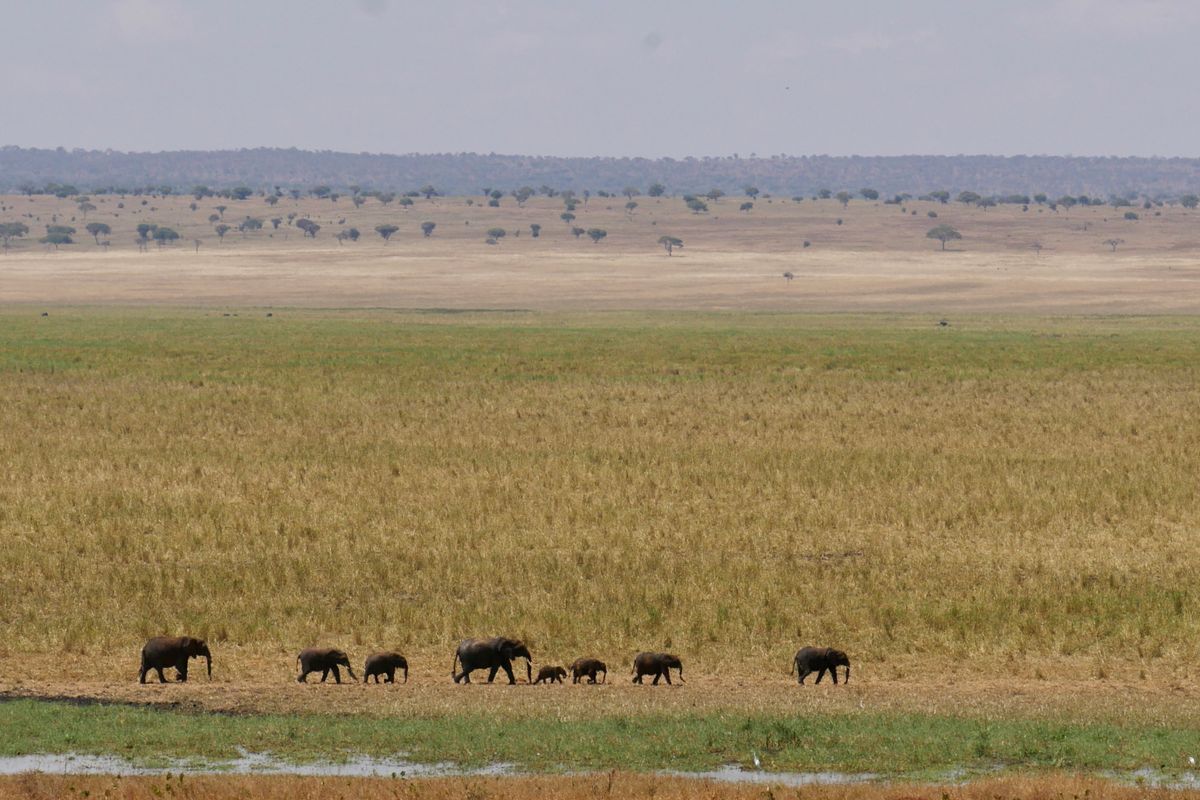
Elephant
- Population: ~10,000 (recovering from ~20,000+ pre-war)
- Where: Niassa Reserve (4,000+, 40% of national total), Gorongosa, Maputo Special Reserve, Quirimbas
- Best viewing: Maputo Special Reserve (elephants on the beach — unique), Gorongosa, Niassa
- Story: Mozambique lost 60–70% of its elephants to ivory poaching during and after the civil war. Anti-poaching programs, particularly in Niassa and Gorongosa, have stabilized populations. In Maputo Special Reserve, elephants walk onto beaches — the only place in the world this occurs regularly.
Buffalo
- Population: ~30,000+ (recovering)
- Where: Niassa Reserve (10,000+), Gorongosa, Marromeu Complex (Zambezi Delta), Limpopo
- Best viewing: Gorongosa (large herds on the floodplain), Niassa
- Story: Buffalo were among the hardest-hit species during the war, as they were easily hunted for meat. Marromeu's buffalo population crashed from 55,000 to under 5,000. Environmental flows from Cahora Bassa Dam are helping the population recover.
Leopard
- Population: Unknown (widespread but rare to see)
- Where: Niassa Reserve, Gorongosa, Limpopo, Manica highlands
- Best viewing: Niassa (night drives), Gorongosa (rare sightings)
- Story: Leopards survived the war better than other large predators due to their secretive nature. They exist in every major park but are rarely seen.
Rhinoceros
- Population: 0 in the wild (extirpated)
- Story: Both black and white rhinos were completely wiped out during the civil war. Limpopo National Park is planning rhino reintroduction as part of the Greater Limpopo Transfrontier Conservation Area, working with Kruger National Park in South Africa.
Other Large Mammals
Hippopotamus
- Where: Every major river and lake — Zambezi, Pungwe, Lugenda, Lake Niassa
- Population: Abundant
- Note: Responsible for more human fatalities in Africa than any other large mammal. Always give them space and never get between them and water.
Nile Crocodile
- Where: Every major river and lake
- Population: Abundant — some of Africa's largest specimens
- Note: Can exceed 5 meters. Do not swim in freshwater anywhere in Mozambique.
African Wild Dog (Lycaon pictus)
- Population: ~500–800 (endangered)
- Where: Niassa Reserve (300+, one of Africa's most important populations), Gorongosa (reintroduced), Limpopo
- Story: One of Africa's most endangered carnivores. Niassa's population is crucial for the species' survival. Wild dogs have enormous territories (up to 1,500 km²) and require vast, intact ecosystems — which is why Niassa is perfect for them.
Antelope Species
- Sable antelope — Niassa (impressive herds), Gorongosa
- Roan antelope — Niassa, Gorongosa
- Waterbuck — Gorongosa (one of the most common large herbivores in the park)
- Reedbuck — Gorongosa, Banhine, Maputo Special Reserve
- Impala — Gorongosa, Limpopo
- Bushbuck — Everywhere (common in forests)
- Kudu — Widely distributed
- Eland — Gorongosa (reintroduced), Niassa
- Oribi — Gorongosa floodplains (one of the smallest antelopes)
- Suni — Coastal forests (tiny, shy, rarely seen)
Primates
- Baboon — Widespread
- Vervet monkey — Everywhere
- Blue monkey — Forest patches (Mt. Gorongosa, Chimanimani)
- Samango monkey — Montane forests (rare, range-restricted)
- Bushbaby (galago) — Nocturnal, widespread (listen for their crying calls at night)
Marine Life
Whales
- Humpback whales — June–September, migrating through the Mozambique Channel. Visible from shore and on boat trips.
- Southern right whales — Rare sightings in southern Mozambique
Dolphins
- Bottlenose dolphins — Resident in Ponta do Ouro (swim-with programs)
- Spinner dolphins — Deep water, seen on dive trips
- Indo-Pacific humpback dolphins — Coastal, rare
Whale Sharks
- Where: Tofo (year-round, one of Earth's best locations), Bazaruto (October–February)
- Population: Tofo has resident individuals that are identified by spot patterns
Manta Rays
- Where: Tofo (cleaning stations), Bazaruto
- Species: Both reef mantas and giant mantas
Dugongs
- Where: Bazaruto Archipelago
- Population: ~250 (the last viable population in the Western Indian Ocean)
- Status: Vulnerable and declining. Sightings are rare and special.
Sea Turtles
- Species: Green, loggerhead, hawksbill, leatherback, olive ridley
- Nesting: November–February on beaches throughout Mozambique
- Where: Bazaruto, Quirimbas, Ponta do Ouro, Tofo
Fish
- Tiger fish — Cahora Bassa, Zambezi (freshwater sport fishing)
- Sailfish and marlin — Bazaruto, Quirimbas (deep sea fishing)
- Giant trevally — Pemba, Quirimbas
- Coral reef fish — Bazaruto, Quirimbas, Ponta do Ouro (hundreds of species)
Birds
Mozambique has 700+ bird species — making it one of Africa's premier birding destinations.
Key Species
- African fish eagle — ubiquitous near water
- Carmine bee-eater — nesting colonies in riverbanks (spectacular)
- Lilac-breasted roller — common and beautiful
- Pell's fishing owl — rare, nocturnal, along rivers
- Wattled crane — Zambezi Delta (endangered)
- Slaty egret — Zambezi Delta (rare)
- Tanzanian red-winged francolin — Niassa (endemic to the region)
- Mangrove kingfisher — Coastal mangroves
Birding Hotspots
- Gorongosa — 400+ species, floodplains and montane forest
- Niassa Reserve — miombo specialties
- Zambezi Delta — waterbird aggregations in the thousands
- Mount Namuli — endemic forest birds
- Maputo Special Reserve — coastal and wetland species
Conservation Challenges & Successes
Challenges
- Poaching — ivory, bushmeat, and rhino horn (despite no rhinos)
- Human-wildlife conflict — elephants raiding crops, lions taking livestock
- Habitat loss — deforestation, especially in miombo woodland
- Climate change — cyclones, drought, changing river flows
- Underfunding — Mozambique's parks operate on a fraction of the budget of South African or Kenyan parks
Successes
- Gorongosa Restoration Project — wildlife populations increasing 5–10x since 2004
- Niassa Reserve — elephant population stabilizing, community ranger programs
- Maputo Special Reserve — elephants recovering, community conservation
- Maromeu Complex — buffalo recovery with environmental flows
- Community conservation — Tchuma Tchato, community ranger programs
The Bottom Line
Mozambique's wildlife story is one of devastation and recovery. The country lost most of its wildlife to war and poaching — but the recovery is underway and extraordinary. Parks like Gorongosa are proving that with commitment, funding, and community involvement, even devastated ecosystems can heal. And places like Niassa prove that vast, truly wild wilderness still exists in Africa — if we protect it.
When you visit Mozambique's parks, your entrance fees, guide payments, and lodge spending directly fund conservation and community programs. Ethical wildlife tourism is the economic engine that makes recovery possible.