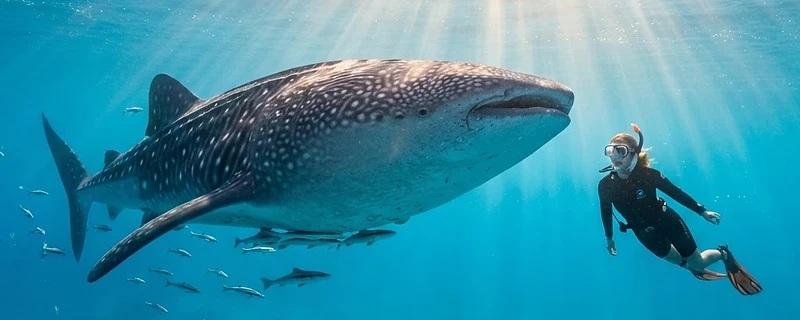
Discover whale shark Mozambique in Inhambane: best seasons, ethical swim operators, community benefits, where to stay, and practical tips for responsible encounters.
Whale Shark Mozambique Guide: Inhambane’s Gentle Giants
If you dream of drifting beside a slow-moving, dappled giant, this whale shark Mozambique guide will take you to the heart of Inhambane province—where turquoise shallows, warm plankton-rich currents and community-based operators make encounters both possible and responsible. Whether you're a wildlife-first traveler, a diver, or someone who cares about the local people and places that host these animals, this guide is written to help you plan an ethical, memorable trip.
Where to See whale shark mozambique: Inhambane hotspots
Inhambane is Mozambique’s best-known province for whale shark sightings. The coastline from Tofo and Barra to the offshore reefs of the Bazaruto Archipelago concentrates the food and conditions that attract these filter-feeding giants.
- Tofo & Praia do Tofo: The most famous launching point for whale shark excursions. A strong local dive infrastructure makes boat access easy and frequent.
- Barra and Maxixe: Quieter than Tofo but with reliable seasonal sightings and fewer boats on the water.
- Bazaruto Archipelago: The clearer waters and extensive reef systems of Bazaruto support healthy plankton blooms and attract whale sharks, along with rays and manta rays. See our deeper look at Bazaruto in Bazaruto Archipelago: Africa's Most Underrated Beach Destination.
Where you go depends on timing, tolerance for crowds, and whether you want a day trip or a liveaboard/diving itinerary. If your goal is both wildlife and cultural immersion, stay locally and use operators who hire community guides.
When to Go for whale shark mozambique in Inhambane
Timing is critical for increasing your chances. Whale sharks in Inhambane are most commonly seen during the austral spring and summer months, when plankton blooms are plentiful.
- Peak season: October to March — warmer seas, higher plankton, and more sightings. November to February often yields the best concentration of animals.
- Shoulder months: September and April — fewer boats, still good chances of encounters but slightly cooler water.
- Off season: May to August — sightings drop, but you’ll find lower prices and better solitude.
Weather note: The rainy season (December–March) brings heat and humidity, though the sea conditions can be excellent. Always check local forecasts and operator advisories; rough weather reduces both sighting success and safety.
How to Swim Safely with whale shark mozambique
Whale sharks are non-aggressive, but they are wild animals and deserve space. Responsible behavior protects both you and the animal.
Before you get in the water
- Briefing: Choose operators who provide detailed briefings on approach distances, boat behaviour, and hand signals.
- Gear: Use a snorkel and mask you are comfortable with; many encounters are from the surface. Bring a reef-safe sunscreen.
- Fitness: Be honest about your swimming ability. Some encounters require long swims in choppy water.
In the water
- Keep distance: Stay at least 3–4 meters from the sides and 4–5 meters from the tail. Never touch, ride, or block a whale shark.
- No flash photography: Flash disturbs animals and encourages unsafe behaviour in some operators.
- Observe and enjoy: Move slowly and let the animal set the pace. If it approaches you, remain passive and avoid sudden movements.
Operators that adhere to these rules reduce stress on animals and increase the long-term sustainability of encounters.
Respectful wildlife encounters start with humility: we are guests in the whale shark's ocean.
Choosing Ethical Operators: community benefit and transparency
Not all boat trips are equal. Prioritize operators that:
- Employ local crew and guides, and pay fair wages.
- Limit group sizes and the number of boats per animal.
- Invest in conservation or community projects, or pay marine park fees that benefit local people.
- Provide environmental briefings and follow national wildlife codes.
Ask direct questions before you book. If an operator can’t explain how your fees help local communities or how they minimize disturbance, consider another vendor. For a wider conversation about where tourism dollars go, see Where Does Your Tourism Dollar Go? The Case for Radical Transparency in African Travel.
Best ways to combine whale shark mozambique trips with local culture
Inhambane is not just about the ocean. Integrate cultural experiences and support community enterprises to ensure your visit benefits local people:
- Visit local craft markets and buy directly from makers; Vilanculos has a lively market at which you can find Makonde carving and woven goods. Try the Vilanculos Craft Market.
- Learn about dhow-building traditions and coastal livelihoods in Inhambane; our piece on Dhow Builders of Mozambique: A 2,000-Year-Old Craft provides background that deepens appreciation.
- Join a conservation or restoration experience to give back: the Inhambane Mangrove Restoration & Kayak Experience pairs coastal restoration with community education.
Pairing wildlife watching with community activities spreads tourism income more widely and fosters long-term stewardship of marine resources.
Where to Stay: lodging options near whale shark mozambique sites
Inhambane offers everything from backpacker beach huts to high-end lodges. Consider staying in locally-run guesthouses or eco-lodges that hire locally and buy local supplies. Popular bases include Tofo, Barra, Vilanculos (gateway to Bazaruto) and Inhambane town itself.
Suggested listing references:
- For craft shopping and a town-centred base, visit the Vilanculos Craft Market.
- To combine conservation with a tidal mangrove experience, look into the Inhambane Mangrove Restoration & Kayak Experience.
For more on beaches and coastal choices across Inhambane, read our guide to the Best Beaches Inhambane Province: Guide to Coastal Gems.
Responsible photography and citizen science
If you photograph whale sharks, consider contributing images to global ID databases (like Wildbook for Whale Sharks). Good photos—clearly showing the flank and spot pattern—assist researchers tracking individuals and migration patterns.
Photography tips:
- Use continuous shooting and avoid flash.
- Frame the flank and gill area for identification.
- Record date, time and GPS/approximate location for research value.
Citizen science transforms fleeting encounters into conservation data that benefits local communities and the animals themselves.
Practical Tips
Health, safety and logistics
- Travel insurance: Ensure it covers water-based activities and emergency evacuations.
- Vaccinations and medications: Check current recommendations before travel; carry a small first-aid kit.
- Money: Carry some meticais for small purchases and tips. See our Mozambique Currency & Costs Guide: Budget, Cash & Tips for details.
- Connectivity: Mobile coverage is patchy—consider local SIM options; our Mozambique SIM Card & Internet Guide — Nationwide Practical Tips is useful.
What to pack for whale shark trips
- Snorkel set (mask, snorkel, fins)
- Lightweight reef-safe sunscreen and a rash guard
- Waterproof dry bag for valuables
- Polarized sunglasses and hat for boat time
- Underwater camera or GoPro (with float)
For a complete list for Mozambique travel, see the Mozambique Packing List: What to Bring for Every Province.
Money, tipping and fair pay
Tip based on service quality and local norms. Where possible, tip crew directly rather than through companies, and prioritize operators who provide living wages and training for local staff. Read more about tourism transparency in Where Does Your Tourism Dollar Go? The Case for Radical Transparency in African Travel.
Conservation context: why whale shark mozambique matters
Whale sharks are listed as endangered globally. Mozambique’s coastal ecosystems—mangroves, seagrass and reef systems—support a raft of fisheries and tourism jobs. Protecting whale sharks means protecting these habitats and the livelihoods tied to them.
Supporting conservation-minded operators and community projects helps ensure that whale shark tourism remains sustainable, benefits local people and funds scientific monitoring. For country-wide conservation perspectives, see Carbon-Positive Travel: How Your Mozambique Trip Can Heal the Planet.
Sample 4-Day Itinerary: Tofo/Barra Whale Shark Experience
Day 1: Arrive Tofo. Meet your operator, attend a briefing, visit local craft stalls. Day 2: Early morning whale shark trip. Afternoon visit to a village market or Makonde carve stall. Day 3: Optional dive or rest day; afternoon community workshop or kayak mangrove experience. Day 4: Half-day whale shark snorkel, departure.
This short itinerary emphasizes multiple operators, community spending, and non-invasive wildlife viewing.
FAQs
1. When is the best time to see whale sharks in Mozambique?
Peak months are October to March, with highest sighting probability from November through February, though sightings occur outside these months too.
2. Are whale sharks dangerous?
No — whale sharks are filter feeders and not aggressive. However, their size means collisions and injuries can happen if people or boats crowd them, so maintain respectful distance.
3. Can I touch or ride a whale shark?
Never. Touching causes stress, removes protective mucus layers and can transmit disease. Riding or holding onto a whale shark is harmful and often illegal.
4. How can I ensure my whale shark trip benefits local communities?
Book operators that employ local crew, support community projects, source locally, and practice transparent pricing. Buying local goods and tipping crew directly also helps.
5. What should I do if I see operators breaking rules?
Report them to your operator or local marine park authorities, and consider sharing constructive feedback with the company. Prioritize booking companies who demonstrate ethical practice.
Final Thoughts: the future of whale shark mozambique
Whale shark Mozambique encounters are a gift: rare, humbling and awe-inspiring. As tourism grows, the responsibility to protect these animals and support coastal communities grows with it. Choose operators who work with local people, contribute to conservation funding or training, and follow best-practice encounter rules.
When you plan your trip, think beyond the single sighting. Support community craft markets, contribute to local conservation activities like mangrove restoration, and share your photos with researchers. In doing so you help safeguard the whales, the water, and the people whose lives are intertwined with these gentle giants.
For more on coastal culture and craft—and to deepen your visit—read Dhow Builders of Mozambique: A 2,000-Year-Old Craft and explore the beaches in our Best Beaches Inhambane Province: Guide to Coastal Gems.
Travel respectfully, take only pictures (and scientific data, when possible), and leave the sea better than you found it. Whale shark Mozambique encounters can transform how you see the ocean—and how you give back to the communities that keep it alive.