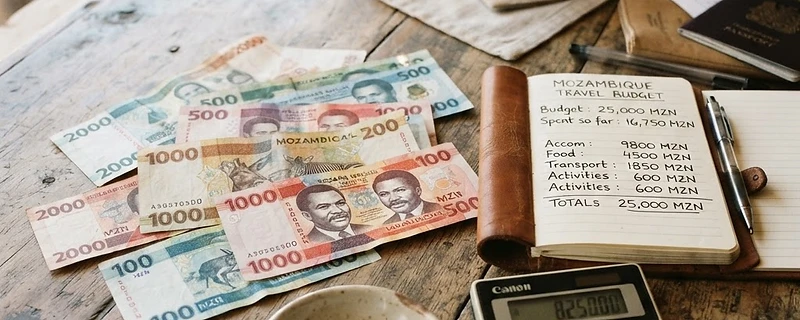
Essential Mozambique currency costs guide: learn about the metical, cash vs cards, tipping, daily budgets, ATMs, and ethical spending to benefit local communities.
Mozambique Currency & Costs Guide
Visiting Mozambique with confidence starts with understanding the basics of money. This Mozambique currency costs guide explains the metical, how much things commonly cost, when to use cash or cards, and—most importantly—how to spend in ways that respect local culture and support communities.
Understanding Mozambique Currency & Costs
The official currency of Mozambique is the Mozambican metical (ISO code: MZN). Since redenomination in recent years and fluctuating global markets, visitors often ask how to manage money on the ground. This section covers the practical essentials.
The Mozambican Metical (MZN)
- Banknotes: Common denominations include 20, 50, 100, 200, 500, and 1,000 meticais.
- Coins: 1, 2, 5, and 10 meticais are in circulation, though coins are less common in daily tourist transactions.
While major cities like Maputo and Beira are used to international visitors, many smaller towns and rural areas accept only cash and often only in small denominations. Always carry a mix of notes and coins for markets, taxis, and tips.
Exchange Rates & How They Move
Exchange rates for the metical can be volatile. Keep these tips in mind:
- Check rates with a reliable currency site or your bank before you travel.
- Avoid airport exchange bureaus for large sums—rates and fees are often worse.
- If you bring USD or Euros, exchange them at reputable banks or licensed bureaux de change in major cities for better rates.
Banks post official rates, but remember that ATMs and card processors add fees. If you must use a card abroad, choose one with low foreign transaction fees.
Tip: When in doubt, ask locals or your accommodation about the best place to exchange money—community-run homestays and tour operators often know trustworthy services.
Cash vs Cards: Mozambique Currency & Costs in Practice
How should you carry and use money in Mozambique? The balance between cash and cards depends on where you travel.
Card Acceptance
- Maputo, Vilanculos, and Quelimane: Most higher-end hotels, restaurants, and shops accept Visa and Mastercard.
- Smaller towns, markets, and rural lodges: Expect cash-only transactions.
Card failures do happen—internet drops, power cuts, or terminal issues—so never rely solely on plastic. When paying by card, ask if a surcharge applies and confirm whether the merchant will charge in meticais or convert to your home currency.
ATMs and Withdrawals
- ATMs are common in provincial capitals but scarce in rural areas and islands. They typically dispense meticais.
- Use ATMs inside banks or well-monitored areas for safety. Daily withdrawal limits may be low.
- Expect ATM fees from both your bank and the local ATM operator.
Mobile Payments and QR
Mobile payment adoption is growing, particularly for domestic transactions using services like m-pesa-style platforms. However, as a visitor, mobile payment acceptance is patchy—confirm ahead of time with hosts or tour operators.
Typical Mozambique Currency Costs: Budgets by Travel Style
Below are conservative, nationwide cost estimates to help you plan. Prices vary by season, province, and how remote your destinations are.
Budget Traveler (Backpacker)
- Daily total: 600–1,200 MZN (~US$8–16)
- Accommodation: 200–400 MZN (budget guesthouses or dorms)
- Meals: 100–300 MZN (street food, market meals)
- Local transport: 50–150 MZN (chapas, minibuses)
- Activities: 50–350 MZN (self-guided hikes, local museums)
If you want a practical example of traveling cheaply and well in Mozambique, see How to Travel Mozambique on $50 a Day: The Budget Guide.
Mid-Range Traveler
- Daily total: 1,500–4,500 MZN (~US$20–60)
- Accommodation: 800–2,000 MZN (comfortable guesthouses, mid-range hotels)
- Meals: 300–800 MZN (restaurants; sample local dishes)
- Transport: 300–800 MZN (private transfers, domestic flights occasionally)
- Activities: 200–900 MZN (organized day trips, guided snorkel trips)
For food-specific suggestions and approximate prices, check out 15 Mozambican Dishes You Must Try (And Where to Find Them).
Luxury Traveler
- Daily total: 6,000+ MZN (~US$80+) depending on lodges or private charters
- Accommodation: 3,000+ MZN (boutique lodges, high-end resorts)
- Meals and drinks: 1,000+ MZN
- Activities: costly private safaris, diving, and island transfers (especially in the Bazaruto and Quirimbas archipelagos)
For planning trips that combine safari and beach experiences—often a pricier but unforgettable option—see Safari and Beach: The Ultimate Mozambique Combo Trip.
Paying Ethically: How Your Money Can Benefit Communities
Money spent thoughtfully can help local economies and protect cultural heritage. Here are practical, respectful ways to direct your travel spending toward community benefit.
Prioritize Local-Owned Businesses
- Stay in community homestays like Quelimane Riverside Homestay or Ilha de Moçambique Family Homestay where possible.
- Hire local guides, craftspeople, and drivers rather than booking only international operators.
Choose Ethical Experiences and Conservation Projects
- Support conservation projects and community enterprises that share benefits transparently—examples include the Inhambane Mangrove Restoration & Kayak Experience and community-run reserves.
- Book tours that employ local guides and pay fair wages; read about ethical choices in The Ethical Safari: How to Choose a Safari That Actually Helps Communities.
Buy Local and Fair
- Purchase crafts directly from makers at markets and workshops—this keeps profits in the community. Try the Maputo City Walking Tours to connect with authentic artisans and stories.
- When bargaining, do so with warmth and respect; never undercut the living wage of a craftsperson.
"Spending money ethically while traveling is not just charity—it's an investment in the places and people you visit."
Practical Tips for Managing Mozambique Currency & Costs
- Carry small bills for taxis, markets, and tips. Large notes can be hard to break in rural areas.
- Notify your bank about travel dates to reduce the risk of card blocks.
- Keep a backup: bring a second card and some USD or Euros for emergencies, but avoid carrying large amounts of cash.
- Use official channels for currency exchange—banks and licensed bureaux de change in cities will give better, safer rates.
- Be mindful of fees: ATMs, currency exchanges, and card processors apply commissions. Compare rates when you can.
- Tipping norms: Tipping is appreciated but not always expected. In restaurants, a 5–10% tip for good service is appropriate; for guides and drivers, a small daily amount or a percentage of the tour cost is customary.
- Protect your receipts: For more expensive purchases or tours, always get a receipt. This helps with transparency and accountability.
- Stay connected: Buy a local SIM for better rates and to use banking apps; see Mozambique SIM Card & Internet Guide — Nationwide Practical Tips.
- Plan cash needs before heading to islands or conservation areas—many remote lodges and boat transfers require cash or bank transfer ahead of time.
Safety and Cultural Respect When Spending
- Always ask before photographing craft markets, ceremonies, or people. Respect personal and commercial boundaries.
- If hiring children for performances or crafts, check whether activities are ethical and not exploitative. Support community-run organizations that reinvest in education and cultural preservation.
- When negotiating prices, remember that a small difference to you can matter greatly to a local family. Offer fair prices and consider paying a little extra for items that support livelihoods.
Mozambique Currency Costs: Example Itineraries and Costs
- 3-day Maputo city break (mid-range): 3,000–6,000 MZN per person — includes a mid-range hotel, meals, a city walking tour, and local transport. Consider booking a Maputo City Walking Tours experience.
- 5-day Inhambane coastal trip (mid-range): 5,000–12,000 MZN — includes comfortable lodging, seafood meals, and a boat snorkel trip or mangrove kayak experience like Inhambane Mangrove Restoration & Kayak Experience.
- Community-focused 4-day homestay: 1,500–4,000 MZN — stay at places like Quelimane Riverside Homestay and participate in local cultural exchanges.
Frequently Asked Questions (FAQ)
Q: What is the best currency to bring to Mozambique?
A: Bring a small amount of meticais if you can. If not possible, carry USD or Euros and exchange them at banks in Mozambique. Smaller notes (recent US$20s and $50s) are easier to change.
Q: Can I use credit cards everywhere in Mozambique?
A: No. Cards work in major hotels, restaurants, and some shops in cities, but many places—especially rural and island locations—require cash. Always carry some meticais.
Q: Are ATMs reliable in Mozambique?
A: ATMs are reliable in provincial capitals and main tourist towns, but scarce in remote areas. Expect daily withdrawal limits and fees. Use ATMs inside bank branches when possible.
Q: How much should I tip guides and drivers?
A: Tips are appreciated. For local guides, consider 200–500 MZN per day for good service; for drivers, 100–300 MZN per day. Adjust based on length, quality, and your budget.
Q: Are prices negotiable in markets and for local services?
A: Yes, bargaining is common in markets. Do it politely and with respect—aim for a fair price rather than the lowest possible. Remember the social value of your spending.
Conclusion: Confidently Navigating Mozambique Currency & Costs
This Mozambique currency costs guide aims to give you practical, respectful tools so your money travels well: use meticais where possible, combine cash and cards wisely, plan for ATM scarcity in remote regions, and prioritize spending that benefits local communities. With thoughtful planning and cultural respect, your travel budget becomes a force for good—supporting livelihoods, conserving ecosystems, and honoring the people you meet on the road.
For more planning resources, check practical guides like Getting to Mozambique from the US: Flights, Visas, and Everything You Need and consider ethical-tour options in The Ethical Safari. Safe travels, and spend kindly—the places and people of Mozambique will thank you.