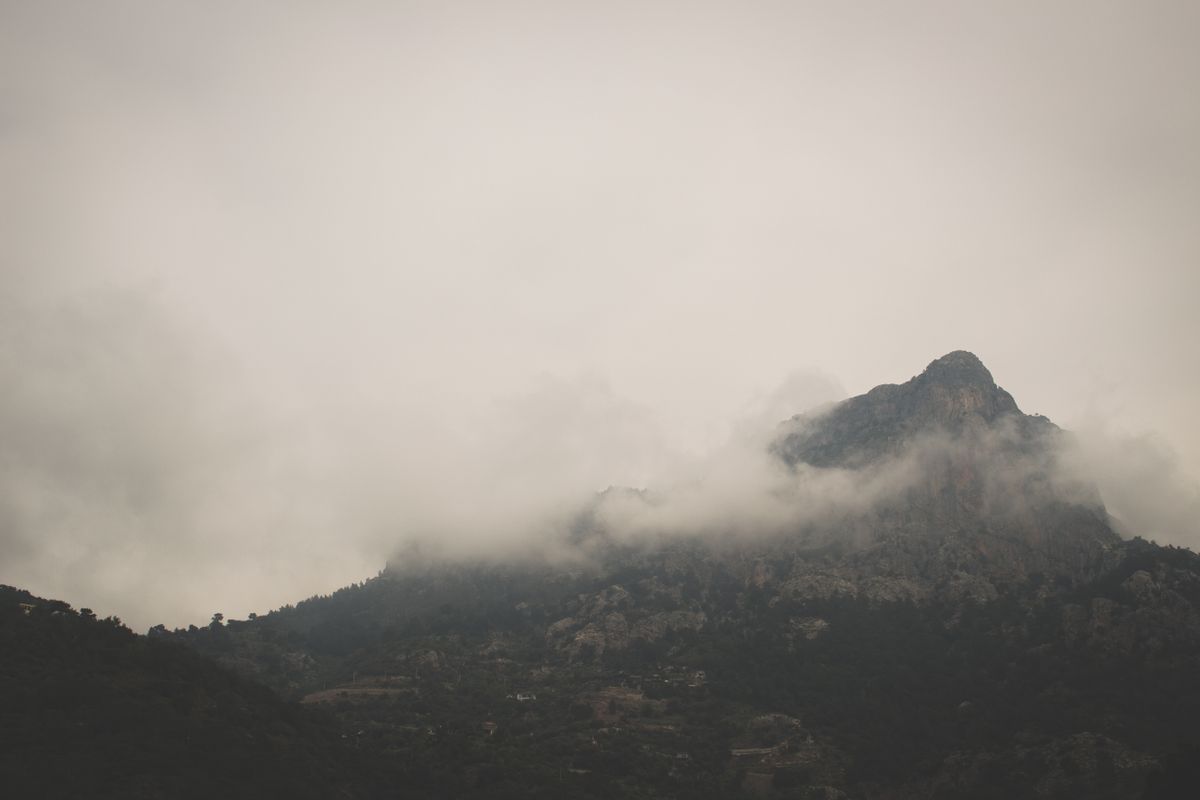
Carbon-neutral isn't enough. What if your trip to Mozambique actually removed more carbon than it produced? Community reforestation, mangrove restoration, and conservation patrols funded by your booking.
Beyond Carbon Neutral
The travel industry has a carbon problem. A single round-trip flight from New York to Maputo generates approximately 2.8 tonnes of CO₂ per passenger. For context, the average Mozambican produces 0.2 tonnes per year. One flight produces 14 years of an individual Mozambican's emissions.
The standard response — carbon offsets — is broken. Most offset programs are opaque, unverifiable, and fund projects that would have happened anyway. Travelers pay $10 to feel less guilty, and the money disappears into a bureaucracy that produces no visible change.
We're proposing something different: carbon-positive travel. Not just neutralizing your emissions, but actively reversing them — and doing it through Mozambican communities who have been excluded from climate finance.
The Math of Carbon-Positive Travel
Here's how it works for a typical 7-day Mozambique trip:
| Component | Emissions (tonnes CO₂) | |---|---| | Round-trip flight (US → Maputo) | 2.8 | | Domestic transport (7 days) | 0.3 | | Accommodation (7 nights) | 0.2 | | Activities & food | 0.2 | | Total trip emissions | 3.5 |
To be carbon-positive, you need to remove more than 3.5 tonnes. Here's what community-based carbon removal looks like in Mozambique:
| Action | Carbon Sequestered | Cost | Funded By | |---|---|---|---| | 1 mangrove tree (30-year lifetime) | 0.3 tonnes | $2 | Community fund | | 1 indigenous tree (30-year lifetime) | 0.2 tonnes | $1.50 | Community fund | | 1 hectare mangrove restoration (annual) | 300 tonnes | $500 | Conservation project | | 1 conservation patrol day | Indirect | $30 | Community guides |
A traveler who plants 15 mangrove trees ($30) and funds 2 conservation patrol days ($60) through their community fund removes approximately 4.5 tonnes of CO₂ — making their trip carbon-positive by 1 tonne.
Mangroves: Mozambique's Secret Climate Weapon
Mozambique has approximately 290,000 hectares of mangrove forest — the third-largest in Africa. Mangroves sequester carbon at 3-5 times the rate of terrestrial forests, making them the most efficient carbon sinks on Earth.
But Mozambique has lost 27% of its mangroves since 1990 — to charcoal production, urban expansion, and cyclone damage. The communities who live beside these forests are the best protectors, but they need economic alternatives to cutting them down.
This is where ethical tourism becomes climate finance. When your booking funds a community that restores mangroves, you're not just offsetting carbon — you're:
- Restoring fish nurseries that feed 200+ species
- Protecting coastlines from cyclone storm surges
- Creating sustainable livelihoods (beekeeping, crab farming, eco-tourism)
- Empowering women (mangrove restoration groups are 70% female in Mozambique)
How nendeni.com Makes It Verifiable
Every listing on nendeni.com that includes conservation activities shows:
- The community benefit percentage (how much of your booking goes to the community)
- The specific conservation activities funded
- Impact stories from the community (via WhatsApp reports)
- Quarterly audit verification of fund usage
When you book a stay at a conservation project in Sofala, Maputo Special Reserve, or Tete's Tchuma Tchato program, your Impact Receipt shows exactly how many trees, patrols, or restoration days your booking funded.
No more $10 disappearing into an offset bureaucracy. Your money goes to a named community, for a named project, with verifiable proof.
The Provinces Leading the Way
Sofala — Gorongosa National Park's restoration is the gold standard. Community rangers, reforestation programs, and wildlife monitoring all funded through tourism revenue. The park's elephant population has grown from 200 to 800+ since restoration began.
Maputo Province — The Futi River Corridor connects Maputo Special Reserve to South Africa's Tembe Elephant Park. Community guides fund anti-poaching patrols. Elephants that walk to the beach — a spectacle found nowhere else on Earth — are protected by the tourism revenue they generate.
Inhambane — Mangrove restoration projects along the Bazaruto archipelago. Community groups plant mangroves, monitor seagrass beds, and protect dugong populations. The world's most endangered marine mammal is guarded by fishermen who now earn more from conservation tourism than from fishing.
Tete — Tchuma Tchato ("Our Wealth") is a community-based natural resource management program. Communities manage wildlife, fishing, and forestry in their territories, keeping revenue local. Your booking directly funds patrols that protect elephants, hippos, and crocodiles along the Zambezi.
The Choice
You will travel. The question is whether your travel extracts from the planet or restores it. Whether your flight's carbon is a debt or an investment. Whether the communities who steward Mozambique's ecosystems benefit from your visit or are bypassed by it.
Carbon-positive travel isn't a guilt-relief mechanism. It's a different way of seeing the world: your trip doesn't just take memories — it leaves forests, protects wildlife, and funds the people who have always been nature's best guardians.
Travel to Mozambique. Leave more than you took.
Book carbon-positive experiences at nendeni.com. Every listing shows community benefit percentage and conservation impact. Every receipt is verifiable.