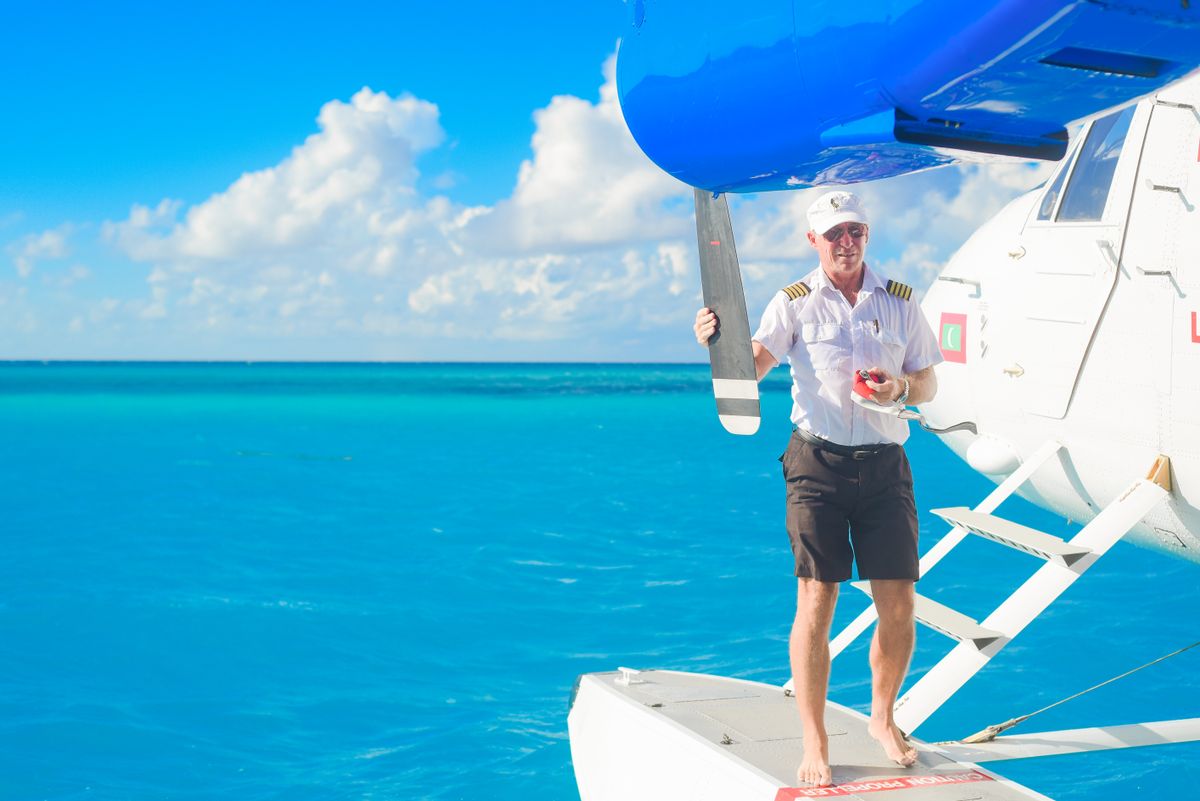
Mozambique’s 2026 travel advisory recommends applying for an e‑Visa before travel, ensuring your passport has at least six months’ validity, and registering with your embassy. Avoid designated high‑risk districts in Cabo Delgado, follow maritime safety alerts, take malaria prophylaxis where recommended, and buy insurance covering medical evacuation.
Mozambique Travel Advisory 2026: Latest Entry Rules & Safety
The Mozambique travel advisory 2026 is essential reading for anyone planning a visit to this warm, diverse country. In this guide I summarise the UK FCDO latest advice and US State Department alerts, explain entry requirements and recent visa changes, outline safety conditions by province, and give practical, respectful guidance so your trip benefits local communities while keeping you safe.
Key updates in the Mozambique travel advisory 2026
Governments revise travel advice regularly; in 2026 both the UK Foreign, Commonwealth & Development Office (FCDO) and the US Department of State have updated guidance reflecting security incidents, revised regional risk assessments, and public-health considerations. Major themes in the Mozambique travel advisory 2026 include:
- Continued strong caution for parts of northern Mozambique, notably areas of Cabo Delgado affected by sporadic insurgent activity. Travel to some districts remains discouraged or explicitly advised against.
- Increased emphasis on maritime and port security: cruise and private-boat operators, dive operators and charterers are advised to follow local guidance and avoid unlit/uncharted anchorages when alerts are active.
- Practical reminders about urban and petty crime in larger cities (Maputo, Beira), and the value of vigilance with belongings, especially at markets and transit hubs.
- Public-health updates linked to regional outbreaks (seasonal dengue, cholera clusters when they arise). Vaccination and water-safety advice are included in official updates.
Always check the live UK FCDO and US State Department pages before departure, and register with your government’s traveller enrolment service (UK: FCDO travel advice page; US: STEP) so you receive alerts while abroad.
“Travel respectfully and stay informed — up-to-date advice helps you keep the magic of Mozambique safe for visitors and hosts alike.”
Entry requirements & visa changes (what travellers need to know)
Mozambique has modernised entry and visa processes in recent years. The biggest change for most visitors is the e-Visa system and the push to streamline legitimate arrival pathways.
Visas and e-Visa 2026
- The Mozambique e-Visa remains the primary, quick route for many nationalities. Apply online before travel and carry the electronic approval with your passport. For step-by-step guidance, see our detailed Mozambique e-Visa 2026: How to Apply, Costs & Entry.
- A limited visa-on-arrival scheme continues at some ports of entry for certain nationalities and select air and sea ports, but this is increasingly restrictive — relying on visa-on-arrival is risky and potentially time-consuming.
- Ensure your passport has at least six months’ validity from the date of entry and at least one blank page for stamps.
Entry health rules
- Routine checks for vaccination certificates (e.g., yellow fever) may be required if you arrive from countries with risk; check the latest health notices. Malaria prevention remains important in many provinces — read our Mozambique Malaria Guide 2026: Prevention, Risks & Medication before you go.
- Carry recent proof of COVID-19 vaccination or negative tests only if specific airline or local regulations require them; pandemic-era restrictions have largely eased but can be reintroduced in outbreaks.
Practical document checklist
- Printed and digital copy of your e-Visa approval
- Passport (6+ months validity)
- Return or onward ticket
- Proof of accommodation and funds (may be requested at immigration)
- Travel insurance documents that cover medical evacuation and activity-specific risks (diving, kitesurfing, safari)
UK FCDO latest advice and US State Department alerts — how to read them
Both the UK FCDO and the US State Department provide layered advice:
- Country-level guidance: overall safety level and general recommendations.
- Regional or provincial notes: specific districts with elevated risk (for Mozambique this often targets parts of Cabo Delgado and border areas).
- Practical travel tips: crime, transport safety, health risks and consular support.
When the FCDO or US State Department flags a region, follow these steps:
- Check the precise map or district list attached to the advisory.
- Avoid the indicated areas; if your itinerary includes border or remote regions, contact local operators in advance for real-time advice.
- Register with your embassy/consulate and store emergency contacts locally.
For a deeper look at safety in Mozambique, consult our broader analysis Is Mozambique Safe 2026? Nationwide Safety Guide for Tourists and the province-by-province breakdown Is Mozambique Safe 2026? Province-by-Province Travel Safety Guide.
Safety by province — Mozambique travel advisory 2026 (nationwide focus)
The Mozambique travel advisory 2026 often differentiates risk by province. Below is a practical, fair summary of what travellers should know; these observations respect that risks are local and that many Mozambicans welcome visitors.
Maputo City & Maputo Province
- General: Maputo city is Mozambique’s lively capital — great restaurants, markets, museums and a vibrant cultural scene. Petty crime (pickpocketing, bag theft) is the main concern.
- Practical: Use registered taxis or ride-hailing where available, avoid walking alone at night in poorly lit areas, and keep valuables discreet. For urban guides, see Maputo Travel Guide 2026: Things to Do & Where to Eat and short itineraries Maputo Travel Guide: 48 Hours in Mozambique's Capital.
Inhambane (Tofo, Vilanculos)
- General: Popular beach and diving destinations. Generally safe for tourists who follow local guidance.
- Practical: Beware of opportunistic theft in crowded tourist zones; use reputable dive operators. Book island trips and dhow trips in advance — for Bazaruto trips see Bazaruto Archipelago Dhow Sailing & Snorkeling Day Trip and explore local craft markets such as Vilanculos Craft Market. See our guides to Tofo and Vilanculos for more detail: Tofo Beach Mozambique: Whale Sharks, Mantas & Nightlife and Vilanculos Mozambique Travel Guide 2026: Bazaruto & Dhows.
Cabo Delgado
- General: Parts of Cabo Delgado remain the most sensitive due to insurgent activity and security operations. Many countries advise against travel to specific districts. If you must travel there for essential reasons, liaise with local authorities and your embassy.
- Practical: Do not attempt independent travel in affected districts; use vetted operators for any humanitarian or research work and keep a low profile.
Sofala (Beira, Gorongosa)
- General: Beira is a busy port city with crime risks and occasional weather-related disruptions. Nearby Gorongosa National Park offers significant conservation and community tourism opportunities.
- Practical: Keep copies of important documents and follow local weather advisories in cyclone season. For wildlife-focused travel, see Gorongosa National Park Complete Guide: Safaris & Community Tourism.
Niassa, Tete, Zambezia, Nampula, Manica, Gaza
- General: These provinces are varied — some remote areas are safe and rewarding for responsible travellers; others are remote with limited services. Petty crime and road safety are common concerns.
- Practical: Travel during daylight, use reputable guides for wildlife or cultural visits (e.g., Lake Niassa Shore Camp, Tete Zambezi Adventures), and ensure you have contingency plans for health emergencies.
Practical Tips (documents, health, transport, respectful travel)
This Practical Tips section focuses on immediate, actionable steps so you can follow the Mozambique travel advisory 2026 while respecting local communities.
Before you go
- Register with your embassy (FCDO travel registration / US STEP).
- Buy travel insurance with emergency evacuation and activity coverage.
- Get malaria prophylaxis advice and vaccinations where needed; consult Mozambique Malaria Guide 2026.
- Apply for an e-Visa early and keep printed and digital copies: Mozambique e-Visa 2026: How to Apply, Costs & Entry.
Money, cards and communications
- Carry some meticais (MZN) in cash for markets and small purchases; cards are more widely accepted in larger hotels and restaurants.
- Use official ATMs in banks or controlled locations; avoid cash transfers to unknown parties.
- Buy a local SIM on arrival for data and local emergency calls — major providers have good coverage in cities and tourist hubs.
Getting around
- Fly between major points when possible — domestic flights can save time and reduce road risk.
- For road travel, avoid night driving outside cities. Roads can be challenging in the rainy season.
- Use reputable licensed operators for sea transfers and dives: consider booking Ponta do Ouro Coral Reef Diving Experience or the Bazaruto Archipelago Dhow Sailing & Snorkeling Day Trip through established companies.
Cultural respect & ethical travel
- Learn a few words of Portuguese or local greetings; a small effort goes far.
- Ask before photographing people, especially in villages and traditional ceremonies.
- Support community-based tourism and crafts — listings such as Murrupula Makua Cultural Village, Chókwè Tsonga Music & Dance Experience and homestays help ensure your money benefits local families.
- Consider choosing eco-lodges and responsible operators — e.g., Bilene Kite Beach Camp and camps that invest in community projects.
When things go wrong — emergency contacts & consular help
- Keep your embassy or consulate contact details saved: the UK FCDO and US consular pages provide emergency numbers and local addresses.
- For police assistance in Mozambique, dial local emergency numbers (confirm numbers before you travel); report thefts and get paperwork for insurance claims.
- Your travel insurer is often the quickest route for medical repatriation or costly evacuations — keep insurer details accessible.
Responsible community benefit and conservation
Ethical travel is central to keeping Mozambique’s tourism beneficial for residents. Consider:
- Choosing tours and homestays that pay fair wages and work with community leaders.
- Respecting conservation rules in parks and marine reserves; avoid single-use plastics and follow dive guidelines for marine life.
- Participating in short local projects only through reputable organisations — for conservation experiences, see Inhambane Mangrove Restoration & Kayak Experience or community-guided reserves like Marromeu Buffalo Reserve Community Guides.
FAQ — Mozambique travel advisory 2026 (quick answers)
Q: Do I need a visa to visit Mozambique in 2026?
A: Most travellers require a visa. The e-Visa is the easiest option for many nationalities — apply online in advance. Check the specific requirements for your passport and consult our step-by-step guide Mozambique e-Visa 2026: How to Apply, Costs & Entry.
Q: Is it safe to travel to Cabo Delgado?
A: Parts of Cabo Delgado remain designated as high risk by many governments. The Mozambique travel advisory 2026 advises avoiding specific districts. If your travel is essential, liaise with authorities and use vetted operators; otherwise, choose safer provinces and community tourism options.
Q: What vaccinations or health precautions should I take?
A: Routine vaccinations should be up-to-date. Yellow fever certification may be required if you arrive from affected countries. Take malaria prophylaxis if you’ll visit inland or northern provinces. See Mozambique Malaria Guide 2026 for recommendations.
Q: Can I use credit cards and ATMs everywhere?
A: Cards are widely accepted in major hotels, restaurants and some shops in cities and tourist hubs, but rural areas often require cash. Withdraw from bank ATMs when possible and avoid displaying large sums of money.
Q: What should I do if I lose my passport or am a victim of crime?
A: Report the incident to local police and obtain a report for your embassy and insurer. Contact your embassy or consulate immediately for assistance in getting emergency travel documents and next steps.
Suggested itineraries & vetted experiences
For safe, rewarding travel that supports local communities, consider:
- Southern coastal circuit: Maputo city (culture & dining) — Ponta do Ouro (dive reefs) — Bilene or Bilene Lagoon for watersports. Book the Ponta do Ouro Coral Reef Diving Experience or stay at Bilene Kite Beach Camp.
- Inhambane & Bazaruto: Vilanculos as a base for day trips to the Bazaruto Archipelago with operators offering the Bazaruto Archipelago Dhow Sailing & Snorkeling Day Trip.
- Sofala & Gorongosa: combine conservation-focused safaris with community-guided experiences — see Gorongosa National Park Complete Guide: Safaris & Community Tourism.
Final checklist before departure
- Confirm latest Mozambique travel advisory 2026 updates from your government.
- Apply for e-Visa and print confirmation.
- Ensure health preparations (vaccines, malaria meds) are complete.
- Arrange travel insurance & register with your embassy.
- Book trusted local operators and prefer community-based experiences where possible.
Conclusion — staying informed under the Mozambique travel advisory 2026
The Mozambique travel advisory 2026 is a practical tool to plan a safe, respectful trip. By staying current with UK FCDO and US State Department alerts, applying for the correct visa in advance, following province-level safety guidance, and choosing responsible local operators, you can enjoy Mozambique’s extraordinary beaches, wildlife and culture while helping local communities thrive. Travel with care, curiosity and respect — and always check official advisory pages before you go.
For more on seasonal travel and wildlife opportunities, see our related guides: Mozambique in September: Weather, Top Spots & Travel Tips, Mozambique Whale Watching 2026: Humpbacks & Whale Sharks and Mozambique Travel Budget 2026: Cost Breakdown by Level.
Quick Comparison
| Feature | Option A | Option B |
|---|---|---|
| Primary entry route | e‑Visa: the recommended, pre‑arrival online process for many nationalities. | Visa‑on‑arrival: available at some ports but increasingly restrictive and risky to rely upon. |
| Safety profile | Maputo City & Province: mainly petty crime risks (pickpocketing, bag theft); take urban safety precautions. | Cabo Delgado: parts designated high risk due to insurgent activity; avoid specified districts. |
| Popular visitor experiences | Inhambane (Tofo, Vilanculos): beach, diving and whale‑shark tourism in generally safe tourist zones with reputable operators. | Sofala (Beira, Gorongosa): busy port city with crime and weather disruptions; Gorongosa offers conservation‑focused safaris. |
| Payment methods | Cities & tourist hubs: cards widely accepted in major hotels and restaurants. | Rural areas & markets: cash (meticais) is often required; carry small denominations. |
| Getting around | Domestic flights: faster and reduce road‑travel risk between major points. | Road travel: useful for local access but avoid night driving and expect challenging roads in rainy season. |
| Accommodation choice impact | Eco‑lodges and community homestays: tend to support conservation and local communities directly. | Standard hotels: commonly found in cities but may not deliver the same community benefits. |
Key Facts
The Mozambique e‑Visa remains the primary route for many nationalities in 2026.
Entry RequirementsA limited visa‑on‑arrival scheme continues at some ports of entry but is increasingly restrictive and risky to rely on.
Entry RequirementsPassport holders entering Mozambique should have at least six months’ validity from the date of entry and at least one blank page for stamps.
LogisticsParts of Cabo Delgado remain designated high risk due to sporadic insurgent activity, and travel to some districts is discouraged or explicitly advised against.
SafetyMaritime and port security is an increased emphasis in 2026, with cruise and private‑boat operators advised to follow local guidance and avoid unlit or uncharted anchorages when alerts are active.
SafetyMalaria prophylaxis is recommended for many provinces and yellow fever certification may be required for travellers arriving from affected countries.
HealthPetty crime such as pickpocketing and bag theft is the main safety concern in Maputo, and travellers are advised to use registered taxis or ride‑hailing and avoid walking alone at night in poorly lit areas.
SafetyTravel insurance that covers medical evacuation and activity‑specific risks (diving, kitesurfing, safari) is recommended for visits to Mozambique.
Logistics