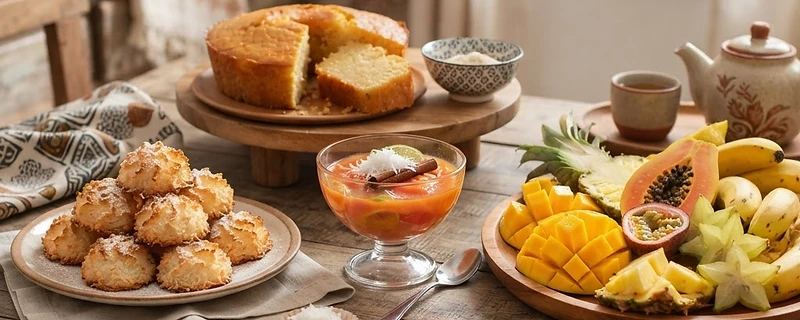
Discover mozambican desserts sweets across the country: recipes, traditions, where to taste them, and ethical travel tips to support local communities and makers.
Mozambican Desserts & Sweets: Nationwide Guide, Recipes & Culture
Mozambique's culinary story is a coastal celebration — bright, textured and generous. From coconut-rimmed confections on the northern islands to molten pudim in Maputo cafés, mozambican desserts sweets capture history, local ingredients and festive life. This guide explores the sweets you should taste, how they're made, where to find them nationwide and how to enjoy them respectfully so the benefits stay in local communities.
mozambican desserts sweets: A Nationwide Tour
Mozambique's desserts reflect a meeting of cultures: Portuguese baking techniques, African staples like cassava and peanuts, Arab and Indian trade spices and the bounty of the coast — coconuts, cashew fruit and sugarcane. The result is sweets that are often simple in ingredients but complex in memory and meaning.
"A piece of cake shared on a verandah or a spoonful of coconut pudding at a street stall tells the story of place as surely as any monument." — Local baker, Maputo
In this article you'll find:
- Signature sweets and where to taste them
- Staple ingredients and their importance
- Recipes, ethical-travel advice and community-minded tips
- Practical tips and an FAQ for travellers
If you want to combine food and architecture while tasting local sweets in the capital, consider joining a guided walk like the Maputo Food & Architecture Walking Tour.
Key ingredients behind mozambican desserts sweets
Mozambique’s sweets rely on a few ubiquitous ingredients — and each tells a local story.
Coconut
Coconut is the backbone of many coastal desserts. From shredded coconut used in cakes to coconut milk in puddings, the flavor is pervasive. For a deep dive on how coconut shapes food and culture, see Coconut Culture in Mozambique: Traditions, Food & Travel.
Cashews
Mozambique is one of the world’s major cashew producers. Cashews appear roasted, candied or ground into pastes for cakes and sweet sauces. They transform a dish from humble to celebratory. Learn more about the cashew economy in Cashews: Mozambique's Golden Crop.
Sugarcane, sugar and palm sweeteners
Traditional sellers press sugarcane for fresh juice; concentrated syrups are used in desserts. Palm sugars and panela (unrefined cane sugar) give many sweets a deep, caramel note.
Cassava, rice and peanuts
Root crops and grains — cassava and rice — are turned into cakes and puddings, while peanuts (ground into pastes or toasted) feature in brittle and sweet bars.
Top mozambican desserts sweets to try (and sample regions)
Below are the sweets most likely to appear across Mozambique, with notes on where to taste them and what to expect.
Bolo Polana (Maputo’s signature butter cake)
- What it is: A rich, buttery cake with a fine crumb and often glazed with sugar or a light icing. Named after the historic Hotel Polana in Maputo, it’s a local icon.
- Where to taste: Cafés and bakeries in Maputo and Maputo Province; try it with coffee at a riverside café or during a Maputo City Walking Tours.
Pudim / Portuguese-style flan (Pudim de Leite)
- What it is: A silky caramel custard reflecting Portuguese influence. It’s simple, elegant and commonly served at celebrations.
- Where to taste: Most urban bakeries and restaurants across the country.
Doces de coco (Coconut sweets and cakes)
- What it is: From coconut macaroons to shredded coconut bars and coconut-topped cakes, these sweets are coastal staples.
- Where to taste: Northern islands and coastal markets; the flavors are especially fresh around Inhambane and Nampula.
Arroz Doce (Rice pudding)
- What it is: Creamy rice cooked with milk, sugar and cinnamon — a comfort food often made for family gatherings and festivals.
- Where to taste: Homestays and family-run eateries (ask when joining a cultural visit such as Ilha de Moçambique Family Homestay).
Doce de Ginguba (Peanut candy)
- What it is: A brittle or chewy sweet made from ground peanuts and sugar, similar to peanut brittles found elsewhere in Africa.
- Where to taste: Street markets nationwide; a favourite snack for children and adults.
Cashew sweets and candied cashews
- What it is: Cashews roasted with sugar and sometimes spices; available as snacks or used to decorate cakes.
- Where to taste: Market stalls and craft markets — cashew sweets make popular souvenirs. Visit markets such as the Vilanculos Craft Market for local treats and crafts.
Bolo de Mandioca (Cassava cake)
- What it is: A dense, moist cake made from grated cassava (manioc), sugar and sometimes coconut or banana — enjoyed across rural Mozambique.
- Where to taste: Homestays and village gatherings; ask hosts when staying at places like Quelimane Riverside Homestay.
Passion-fruit and mango mousses
- What it is: Light, often egg-white-stabilised mousses made with tropical fruits; a bright counterpoint to heavier cakes.
- Where to taste: Coastal cafés, island lodges, and hotel menus in tourist hubs.
How sweets are served: occasions and etiquette
Sweets in Mozambique are often communal: shared at family celebrations, sold as small portions at markets or presented in tea-time gatherings. If you’re invited to a home:
- Accept a small portion as a sign of respect.
- Offer thanks and a small gift from your home if staying with a host: coffee, a simple spice or handicraft is appreciated.
- Photograph only with permission; vendors and hosts welcome respectful engagement.
Simple recipes to try at home (adapted for travellers)
Below are pared-down versions of favorites you can recreate.
Quick Coconut Brittle
Ingredients:
- 1 cup shredded coconut
- 1 cup sugar
- 2–3 tbsp water
- A pinch of salt
Method:
- Toast the coconut lightly in a dry pan until aromatic.
- Dissolve the sugar in water over medium heat until it reaches a deep amber.
- Stir in coconut and salt, pour onto a greased tray and cool. Break into pieces.
Easy Rice Pudding (Arroz Doce)
Ingredients:
- 1 cup short-grain rice
- 4 cups milk (or part coconut milk)
- 1/2 cup sugar
- Cinnamon stick or ground cinnamon to finish
Method:
- Simmer rice in the milk with the cinnamon, stirring to prevent sticking, until very soft and creamy.
- Sweeten to taste and serve warm or chilled with cinnamon sprinkled on top.
These recipes are flexible; use local sugar varieties or coconut milk where possible to get authentic notes.
Where to taste sweets responsibly (ethical travel & community benefit)
Supporting local makers means seeking out community-run stalls, markets and homestays rather than just tourist hotels. A few ideas:
- Buy from local bakeries in neighbourhoods rather than chain stores.
- Take food-focused community experiences such as Ilha de Moçambique Family Homestay or explore crafts and flavors at the Vilanculos Craft Market.
- Combine wildlife, nature and food awareness with visits that benefit local conservation guides; these experiences create diversified incomes and strengthen cultural ties — for example, plan multi-day visits including conservation projects or cultural villages referenced in our regional guides like Niassa Reserve: Lions, Elephants & Africa's Largest Miombo Wilderness and Nampula Province: The Crossroads of Mozambique.
Practical Tips
- Try sweets in small portions: many local sweets are rich and very sweet.
- Ask about ingredients if you have allergies: peanuts and cashews are common.
- Carry small cash notes: many market vendors don’t accept cards.
- Respect local customs: ask before photographing people or family gatherings, and always ask before sampling from a communal plate.
- Support women-led enterprises: many confection makers are women; buying directly from them helps families and local economies.
- Combine food experiences with cultural visits: homestays, craft markets and cooking workshops often return more income to communities than big hotels.
Travel ideas that combine sweets and culture
- Walk Maputo’s food precincts to compare cakes and pudim — book via Maputo Food & Architecture Walking Tour.
- Spend a few days on the northern islands and sample coconut sweets; staying at family homestays like Ilha de Moçambique Family Homestay gives you kitchen access and a chance to learn recipes.
- Visit coastal craft markets such as Vilanculos Craft Market to pair sweets with local crafts and contribute directly to artisans’ livelihoods.
Cultural respect when tasting sweets
Mozambique’s food rituals are often woven into ceremonies and communal life. When sampling:
- Receive with gratitude; even a small compliment about the food is valued.
- If hosted, offer a token of appreciation: contribute to the household in small ways (prepare a meal, bring a gift) and respect household rhythms.
- If photographing or interviewing vendors, ask first and consider offering to pay a small fee for time or photos.
FAQ
1. Are mozambican desserts sweets very sweet?
Many are — traditional recipes use cane sugar or palm sugar liberally. Portion sizes are often small to balance intensity. Ask for a smaller serving if you prefer milder sweetness.
2. Can I find sweets that suit dietary restrictions (gluten-free, vegan)?
Yes. Many traditional sweets are naturally gluten-free (cassava cake, some coconut sweets). Vegan options exist (fruit-based mousses, coconut desserts), but always check for hidden dairy or eggs, especially in cakes and pudim.
3. Where can I learn to make local sweets?
Homestays and community experiences often teach recipes — consider staying with a family or joining a local cooking class. Cultural visits in Nampula or Inhambane sometimes include kitchen demonstrations; check listings and local tour operators for specific offerings.
4. What should I do if I have food allergies (nuts, dairy)?
Inform your host or vendor immediately. Nuts (cashews, peanuts) are widespread, so cross-contamination is possible. Carry an allergy card in Portuguese/English explaining your allergy for markets and restaurants.
5. Are sweet souvenirs available to bring home?
Yes — packaged candied cashews, jars of coconut sweets and sugar-based candies travel reasonably well. Support small producers by buying direct from stalls or markets rather than packaged tourist goods.
Final thoughts — tasting with care
Mozambican sweets and desserts are more than sugar and spice: they are memory, hospitality and local livelihoods shaped by coast and field. When you taste these treats, seek out community-run stalls, ask about origins and payments, and share your appreciation in ways that keep value in local hands. By travelling thoughtfully you help sweets become sustainable sources of pride and income across Mozambique.
Enjoy your journey through mozambican desserts sweets — and leave a little sweetness behind in the communities that make them.
For wider context on everyday food in Mozambique, read Xima: Mozambique's Daily Bread — The Staple Food Explained and explore how food fits into travel and family life with Mozambique With Kids: A Family Travel Guide.