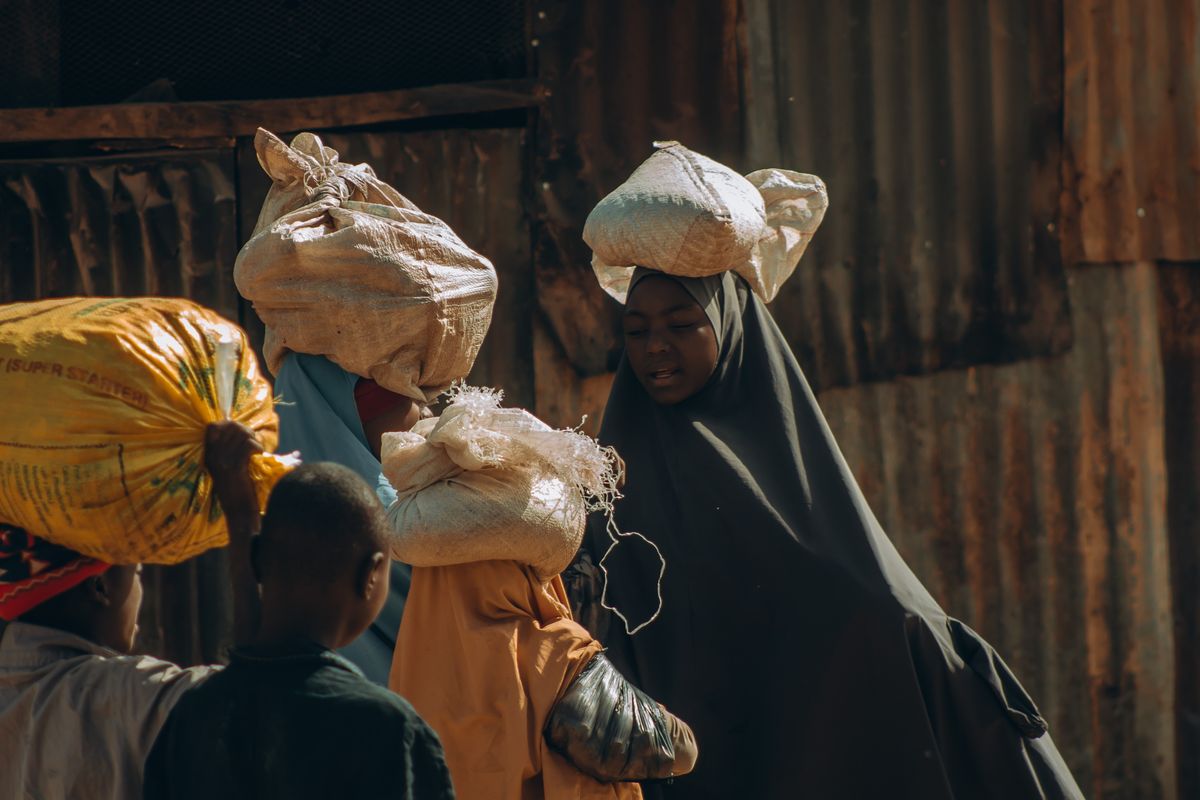
Women's cooperatives are transforming rural Mozambican life — pooling resources, negotiating better prices, and connecting to American fair trade networks. Discover how collective action empowers women economically and socially.
Rural Cooperatives: Women's Economic Empowerment in Mozambique
When Women Organise
In rural Mozambique, women do the majority of agricultural work, food processing, craft production, and childcare — yet they have the least access to land, credit, education, and decision-making. Rural cooperatives are changing this equation, providing women with collective economic power that individual effort cannot achieve.
Types of Women's Cooperatives
- Agricultural cooperatives — women pool land, labour, and resources to grow and market crops collectively (sesame, cashew, pigeon pea, vegetables)
- Craft cooperatives — capulanas, baskets, pottery, and beadwork for domestic and export markets, connecting to American fair trade networks
- Savings and credit groups — xitique (traditional rotating savings) formalised into financial cooperatives providing access to capital banks deny
- Processing cooperatives — cashew nuts, coconut oil, dried fruit, peanut butter — adding value and retaining income in the community
The Impact
Cooperative membership delivers measurable benefits: 30-100% income increase, greater household decision-making power, disproportionate investment in children's education (particularly girls'), skills training, and social capital networks.
The American Connection
- Fair trade networks — Ten Thousand Villages, SERRV source directly from Mozambican women's cooperatives
- Microfinance — American platforms like Kiva channel loans from individual Americans to Mozambican cooperative members
- Women's empowerment movements — American donors and NGOs support cooperative development as proven women's economic empowerment
- Agricultural cooperatives in America — Land O'Lakes, Ocean Spray, Sunkist represent the same model at different scale