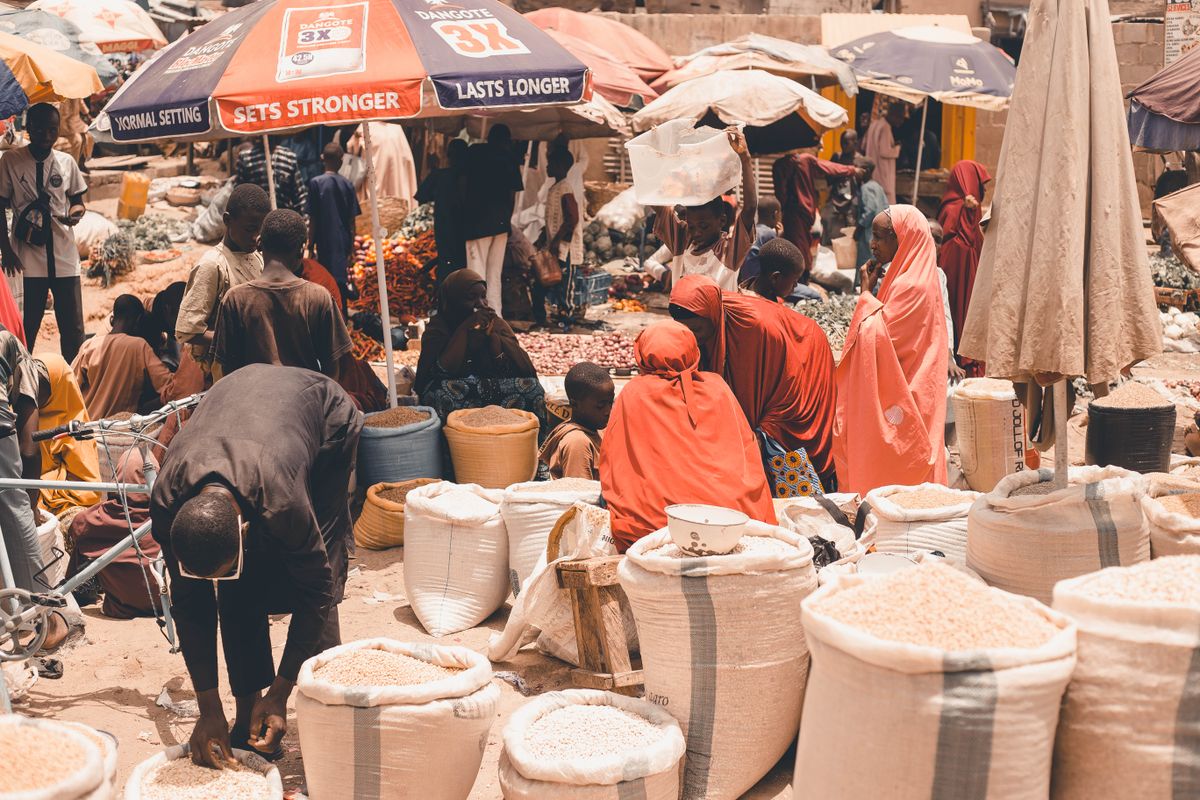
Rural Mozambican markets are the social, cultural, and economic centre of village life. Discover how these weekly gatherings connect to American farmers markets, flea markets, and African American market traditions.
Mozambican Markets: The Heartbeat of Rural Commerce
The Market Is the Village
If you want to understand rural Mozambique, go to the market. Not a supermarket — the rural market: a sprawling open-air gathering where farmers sell produce, traders display goods, women cook food, children play, and news travels at the speed of conversation. The market is not just a place of commerce — it is the social, cultural, and economic centre of rural life.
Rural markets in Mozambique typically operate once or twice a week — on designated market days, people travel from surrounding villages, sometimes walking for hours, to buy, sell, and socialise. The market is where prices are set, relationships are built, and community life happens.
What You'll Find
Food
The heart of any Mozambican rural market is food: cassava (fresh and dried), maize, peanuts, beans, sweet potatoes, vegetables (tomatoes, onions, cabbage, pumpkin), fruits (bananas, mangoes, papayas, cashew apples — all seasonal), dried fish (traded from the coast), fresh chicken and eggs, and prepared foods (xima, grilled fish, fried cassava, bean stews).
Crafts and Goods
Plastic ware (basins, buckets, jerrycans), used clothing (imported secondhand from Europe and America — a major market category), capulanas, cooking pots, tools (hoes, machetes), soap, candles, batteries, and mobile phone credit.
Services
Hair braiding, shoe repair, tailoring, traditional medicine consultation, phone charging (for a fee, from solar panels or generators), and money transfer (via M-Pesa agents).
The Market as Social Institution
The market is where:
- Prices are negotiated — bargaining is expected and is a social ritual
- News travels — market day is the primary information network in rural areas
- Social bonds are maintained — families separated by distance reunite on market day
- Political discussion happens — informally, around food stalls and beer vendors
- Young people meet — the market is a space for courtship and socialising
- Women exercise economic power — markets are overwhelmingly female spaces, where women control commerce
The American Connection
Mozambican markets connect to American experiences through:
Farmers Markets
The American farmers market movement — which has grown enormously in recent decades — shares with Mozambican markets the principle of direct producer-to-consumer commerce. American farmers markets, while much smaller in scale, create a similar space where food, community, and commerce intersect.
Flea Markets and Swap Meets
American flea markets and swap meets — particularly in rural and Southern communities — share structural similarities with Mozambican markets: periodic gatherings, mixed commerce (new and used goods), food vendors, and social function.
African American Market Traditions
Historically, African American communities had their own market traditions — from the market squares of Southern towns where Black farmers and vendors gathered, to the informal street markets of Northern cities. These traditions, while suppressed by segregation and urbanisation, share DNA with African market culture.
Economic Development
American economic development organisations working in Mozambique (USAID, Peace Corps, NGO partners) engage directly with rural markets as sites of economic intervention — supporting market infrastructure, vendor cooperatives, and value chain development.