Xima, matapa, piri-piri chicken — the Mozambican table tells the story of a nation. Discover how African, Portuguese, and Indian Ocean flavours blend, and their connection to American Southern food and soul food traditions.
Food as Culture: The Mozambican Table
The Table Tells the Story
In Mozambique, food is not merely sustenance — it is identity, history, and culture on a plate. The Mozambican table tells the story of the nation: African staples (cassava, sorghum), Indian Ocean trade (spices, rice, coconut), Portuguese colonisation (peri-peri, bread, wine), and indigenous innovation (matapa, xima).
The Foundation: Xima
Xima — a thick porridge made from cassava or maize flour — is the foundation of every Mozambican meal. Eaten with the hands, xima is scooped, dipped into relish (vegetable, fish, or meat sauce), and eaten communally from a shared pot. For Americans, xima is closest to grits or polenta — but more central to the meal and always eaten with the hands.
Key Dishes
- Matapa — cassava leaves cooked with coconut milk, peanuts, and spices. Mozambique's national dish.
- Galinha à Zambeziana (Chicken Zambeziana) — chicken marinated in garlic, coconut milk, and peri-peri. Known internationally as "piri-piri chicken."
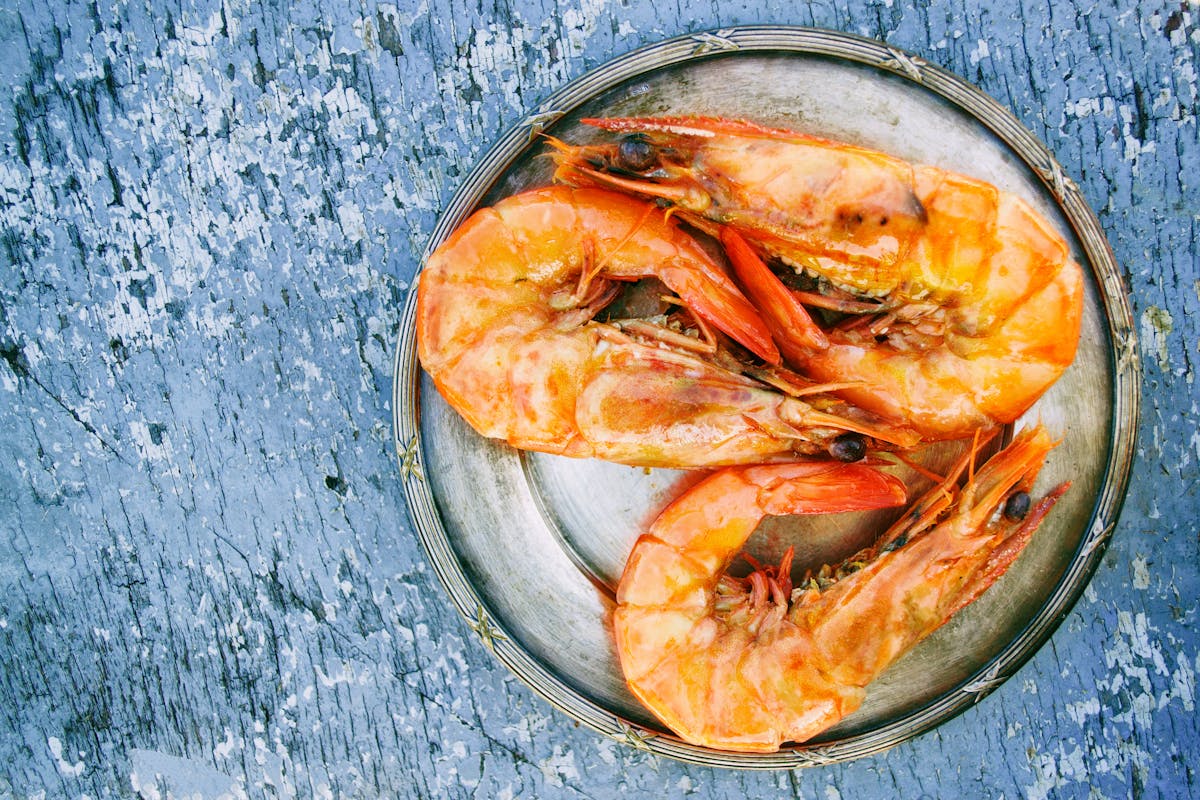
- Camarão grelhado — grilled prawns with garlic and peri-peri.
- Feijão — bean stew, a daily protein source.
- Caldeirada — fish stew with Portuguese origins.
The American Connection
- Southern food — American Southern cuisine shares Portuguese, African, and indigenous influences with Mozambican food
- Peri-peri — Mozambican peri-peri sauce has global reach, appearing in American restaurants (Nando's)
- Soul food parallels — communal eating, use of offal and humble ingredients, food as love and identity
- Food as cultural bridge — Mozambican restaurants in America (Newark, New Bedford) serve as cultural hubs