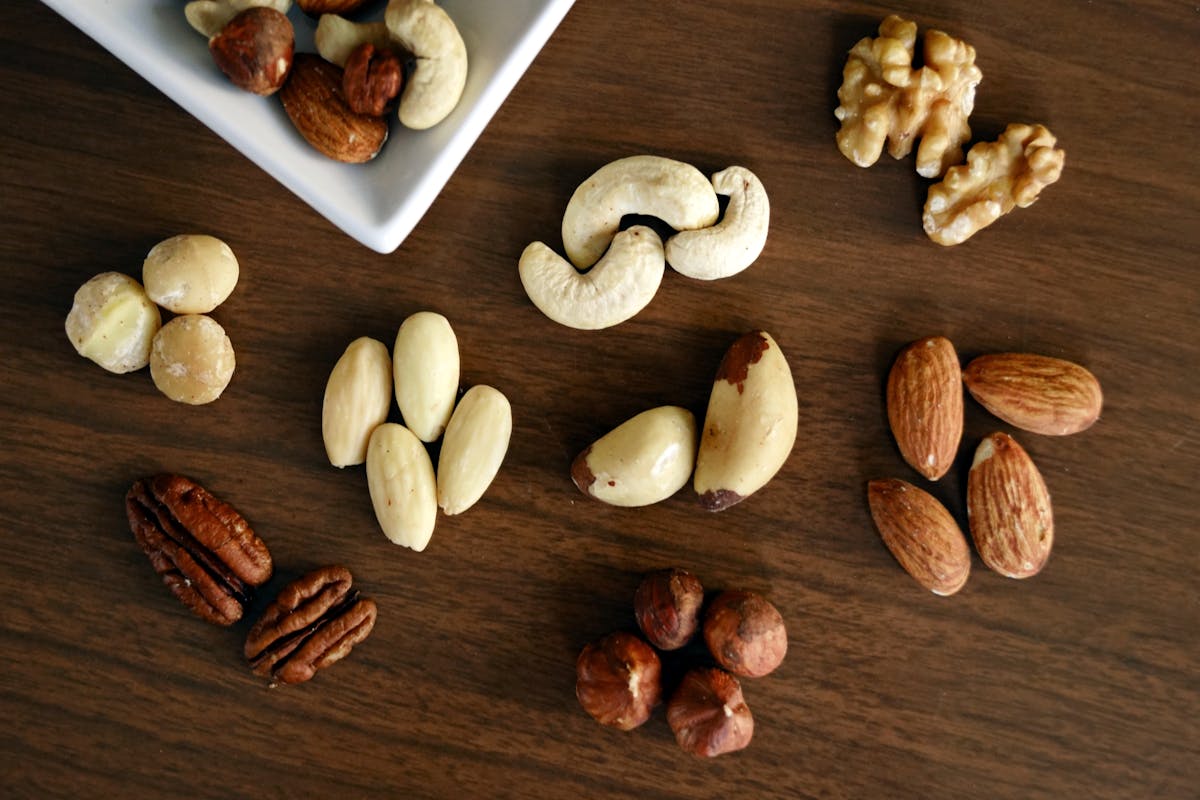
Cashew farming sustains 1.4 million Mozambican rural producers. Discover how the golden nut travels from smallholder farms to American snack aisles — and the value extraction problem that fair trade is trying to solve.
Cashew Economy: From Mozambican Farms to American Snack Aisles
The Golden Nut
The cashew nut is Mozambique's most important cash crop. For close to 1.4 million rural producers, cashew farming is the primary source of cash income — money that pays for school fees, medical care, and household necessities. And the cashew's journey from Mozambican smallholder farm to American snack aisle is a story of globalisation, economic challenge, and the search for fair trade.
From Tree to Market
Cashew production in Mozambique follows a simple but labour-intensive process:
-
Cultivation — cashew trees grow across Mozambique's coastal and interior savannas, particularly in Nampula, Cabo Delgado, and Zambezia provinces. Most trees are owned by smallholder farmers who manage a few dozen trees alongside subsistence crops.
-
Harvest — cashew apples (the fleshy fruit) are gathered when they fall from the tree. The nut hangs below the apple, encased in a toxic shell.
-
Processing — the shell is roasted or steamed to neutralise the caustic liquid, then cracked by hand to extract the nut. This is dangerous work — the shell liquid causes skin burns.
-
Sale — raw nuts are sold to traders or processors, who grade, pack, and export them.
The price a farmer receives for raw cashews is a fraction of the final retail price. A kilogram of raw cashews might earn a farmer 50-80 meticais ($0.80-$1.30), while processed cashews sell for $8-$15 per kilogram in American supermarkets — and roasted, salted, branded cashews can reach $20+ per kilogram.
The American Connection
Mozambican cashews reach American consumers through:
- Snack aisles — roasted, salted cashews in American supermarkets often contain nuts sourced from multiple countries, including Mozambique
- Fair trade cashews — brands like Equal Exchange and Olam source directly from Mozambican cooperatives, ensuring farmers receive a larger share
- Specialty retailers — whole cashews from Mozambique are prized for their size and flavour, appearing in specialty food shops
- Cashew apple products — cashew wine, juice, and jam are niche products with growing American interest
The Value Chain Problem
As with craft and prawns, the cashew industry illustrates Mozambique's value extraction problem: the country exports raw nuts, and the processing — which adds the most value — happens elsewhere. Mozambique's cashew processing capacity was devastated by civil war and Worldavoids liberalisation policies in the 1990s that flooded the market with cheap raw exports.
Recovery efforts — supported by TechnoServe, the Aga Khan Foundation, and the Mozambican government — are rebuilding processing capacity. The MozaCajú project trained 30,000 farmers in better cultivation and processing, increasing incomes and retaining more value in Mozambique.