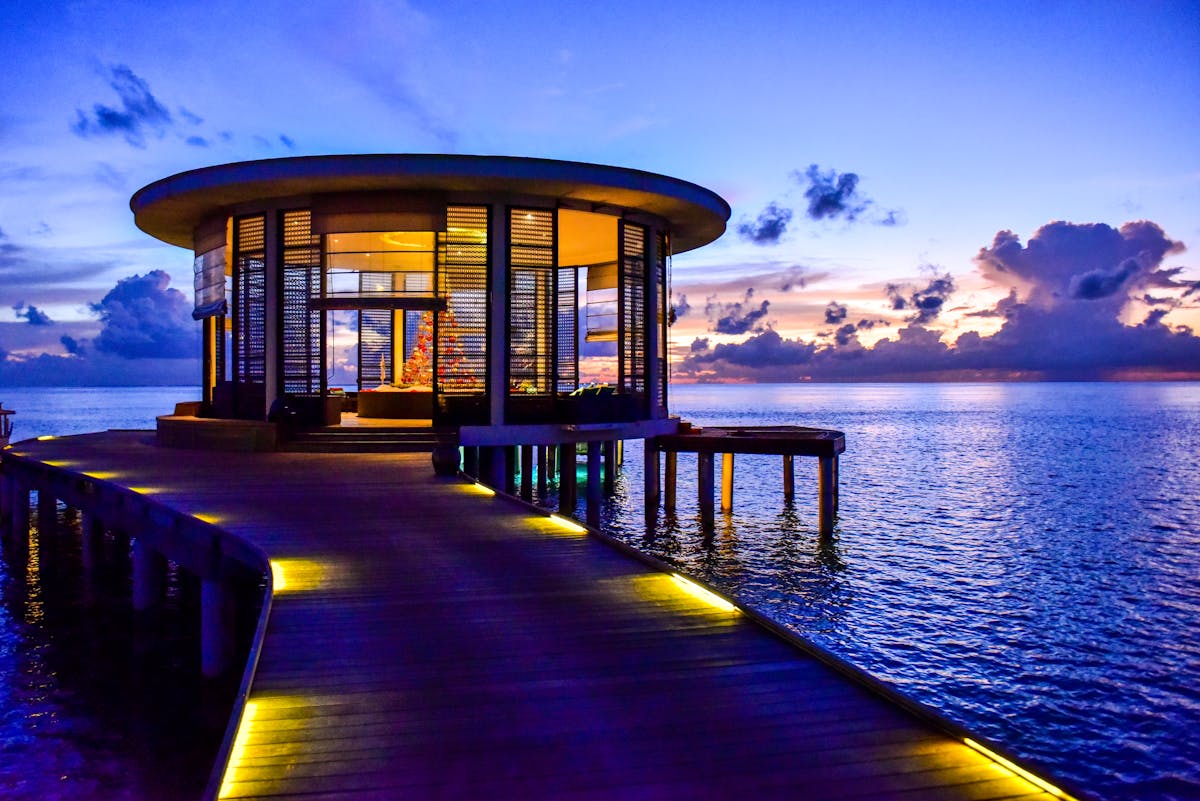
Dunes de Dovela Eco Lodge is a community-led, low-impact stay on Mozambique’s Inhambane coast. It offers simple bungalows, locally sourced meals, guided dune and coastal walks, cultural activities, marine excursions, and seasonal conservation projects. Tourism revenue supports local employment, education, healthcare supplies, dune restoration, mangrove protection, and sea turtle monitoring.
Dunes de Dovela Eco Lodge: Community Stay on Inhambane Coast
The Dunes de Dovela Eco Lodge sits quietly on Mozambique’s southern Inhambane coast, where wind-shaped sand, coastal forest and warm Indian Ocean currents meet. From the first paragraph you should know the heart of this guide: the dunes de dovela eco lodge is a community-led, low-impact destination that links responsible tourism, meaningful cultural exchange and local conservation. This guide explains what to expect, how to get there, the activities that benefit both guests and neighbors, and practical advice to travel ethically in Inhambane.
Dunes de Dovela Eco Lodge: A Short Overview
Dunes de Dovela is more than a place to sleep — it is a village initiative that channels tourism income into community projects while offering guests an intimate coastal experience. The lodge blends simple, comfortable accommodation with locally sourced food, community-led tours and conservation activities that protect coastal dunes, mangroves and nesting beaches.
"Travel should leave a place better than you found it." — a guiding idea at Dunes de Dovela.
Why this lodge matters
- Community ownership: Local families and cooperative groups run much of the day-to-day operations and receive a direct share of revenues.
- Conservation focus: Income supports dune restoration, mangrove protection and sea turtle monitoring efforts.
- Cultural respect: Activities emphasize local language, craft and tradition, designed and led by residents rather than imposed by outsiders.
If you want a stay that supports people and landscape equally, the dunes de dovela eco lodge is a model for ethical coastal tourism in Inhambane.
Dunes de Dovela Eco Lodge: Where to Stay in Inhambane
The accommodation is intentionally low-key: raised bungalows, shaded verandas, and an open-air communal dining area. Rooms are constructed with local materials where possible, featuring mosquito screening, comfortable bedding and private outdoor showers in many units.
Types of accommodation
- Simple double/twin bungalows for couples or friends.
- Family cottages for those traveling with children.
- Shared dorm-style options for volunteer travelers and groups (seasonal).
All accommodation emphasizes comfort without luxury excess; electricity is often solar-supported and water is used conservatively.
Booking and what to expect
Book ahead during high season (July–October) and national holidays. If you prefer to arrange local tours and experiences through the lodge, let them know before you arrive so community guides can prepare. For formal booking and listing details, see the lodge listing: Dunes de Dovela Eco-Lodge.
Planning Your Visit to Dunes de Dovela Eco Lodge
Getting to the lodge requires some planning, but the journey is part of the experience. Inhambane province is well connected by road and air to major Mozambican hubs; local transfers and 4x4 rides are common for the final stretch to the coast.
Getting there
- Fly: The nearest regional airports with regular services are Inhambane (INH) and Vilankulo (VNX). From either airport you can arrange a transfer to the lodge.
- Road: If driving from Maputo or Beira, a mixture of tar and graded dirt roads leads to coastal villages; a 4x4 is recommended for some sections. For rental options, consider linking with reliable operators before you go.
- Transfers: The lodge arranges shared pickups for groups and private transfers when requested.
If you are combining the lodge with other Inhambane highlights, the Bazaruto Archipelago is a nearby natural jewel and makes a good multi-day addition to your itinerary — see our guide to the islands: Bazaruto Archipelago Guide.
Best time to visit
- Dry season (May–October): Cooler, less rain, excellent for beach walks, diving and turtle spotting.
- Shoulder months (April, November): Fewer crowds; some services may be limited but migration and nesting rhythms can be interesting.
Peak months bring other international visitors, so early booking is wise.
Dunes de Dovela Eco Lodge: Activities, Community & Conservation
The lodge offers an array of experiences designed to deepen your understanding of coastal life while channeling benefits back to the community.
Beach, dunes and coastal walks
Explore sweeping dune fields that shift with the wind, inland coastal forest and long uncrowded beaches. Guided walks focus on:
- Dune ecology and the plants that stabilize sand.
- Birdlife identification along coastal ponds and estuaries.
- Respectful beach etiquette to avoid disturbing turtle nests and local fishing activities.
These walks are ideal for gentle mornings or late afternoons when the light is best and temperatures cooler.
Marine life and diving
The Inhambane coastline is celebrated for its marine biodiversity. For diving and snorkeling, local centers provide safe, responsible outings — the lodge coordinates departures and small-group excursions. If you plan dedicated dives, consider reputable operators such as Tofo Scuba Dive Centre or arrange sunset dhow trips toward the archipelago via Sunset Dhow Safari Vilanculos.
Many visitors are drawn by manta rays, whale sharks (seasonal), reef fish and vibrant coral gardens. The lodge’s partnerships prioritize low-impact anchoring, reef-safe sunscreen guidance and small-group practices.
Cultural experiences and community visits
Cultural exchanges are arranged with community consent and are designed for mutual respect:
- Village walks with local guides explaining fishing techniques, cashew farming and coastal crafts.
- Traditional music or dance evenings hosted by community ensembles (donations support performers).
- Craft workshops where you can learn to weave or sculpt under local instruction.
These experiences follow principles from community-based tourism best practices; for broader context on ethical local stays, read our piece on community tourism: Mozambique Community Based Tourism.
Workshops, volunteering and conservation projects
The lodge supports hands-on opportunities such as:
- Sea turtle nest monitoring and beach protection (seasonal).
- Mangrove restoration and seedling nurseries.
- Guest-led or lodge-organized educational programs for nearby schools.
Volunteering is available in short blocks, but notable projects are scheduled and managed to avoid overstaying or disrupting community rhythms. If you’re interested in wider sustainable tourism principles in Mozambique, our eco-lodge guide is a useful reference: Mozambique Eco Lodge Guide.
Food, Hospitality and Cultural Respect
Meals at the lodge are typically prepared with local ingredients — fresh fish, cassava, rice, seasonal vegetables and cashew-based treats. Dining is communal, encouraging conversation with hosts and other guests.
A few respectful practices to observe:
- Ask before photographing people, especially children.
- Accept invitations to share food and learn local table norms.
- When buying crafts or hiring guides, pay fair prices and prefer goods made and sold by local artisans.
These practices preserve dignity and ensure your spending benefits the community directly.
Responsible Travel: How the Lodge Gives Back
The dunes de dovela eco lodge channels tourism revenues into local priorities such as school support, healthcare supplies and environmental programs. The lodge operates with transparency and collaborates with local committees to make decisions.
Key impact areas:
- Employment: Local guides, cooks and maintenance staff are hired with fair wages and training programs.
- Education: Funds help pay for school materials and occasional scholarships.
- Conservation: Revenue supports beach patrols, mangrove replanting and coastal fire management.
If ethical, community-focused tourism is important to you, this model is a compelling example. For a broader discussion of sustainable tourism across Mozambique, see Mozambique Marine Conservation: Protecting Indian Ocean Reefs and our national ethical tourism guide: Ethical Tourism Mozambique: Complete Responsible Travel Guide.
Practical Tips
- Travel light but bring essentials: reef-safe sunscreen, a hat, a reusable water bottle and quick-dry clothing.
- Cash: Bring some meticais for small purchases; card facilities may be limited or intermittent.
- Communication: Signal can be patchy — download maps and contacts before departure.
- Health: Carry a basic first-aid kit, antimalarials if advised by your doctor, and any personal medications.
- Respect local schedules: Many community activities are timed around fishing and school — be flexible.
- Book in advance: Peak months (July–October) fill quickly; the lodge coordinates transfers and activities if warned in advance.
Practical booking reference: Dunes de Dovela Eco-Lodge and regional dive or tour operators like Tofo Scuba Dive Centre will help you plan excursions.
How to Combine Dunes de Dovela with Other Mozambique Highlights
- Bazaruto Archipelago: Combine a few nights on the mainland with island snorkel and dhow sailing trips. See our guide for island logistics: Bazaruto Archipelago Guide.
- Inhaca Island: A day trip or extra island stay gives a different marine reserve experience — helpful if you enjoy varied coastal ecosystems: Inhaca Island Mozambique: Day Trips, Diving & Marine Reserve.
- Cultural routes: If you have more time, pair Inhambane with a southern cultural loop through Maputo and local markets; for architecture and food background, see our other guides.
Safety and Etiquette
- Personal safety: Inhambane’s coastal communities are welcoming; usual travel precautions apply (avoid walking alone at night in unfamiliar areas).
- Environmental etiquette: Keep to paths on dunes, avoid disturbing vegetation and always follow guide instructions around nests and sensitive sites.
- Gifts and donations: Coordinate donations through the lodge rather than offering cash to children; this reduces unintended consequences and ensures equitable distribution.
FAQ
Q: Is Dunes de Dovela Eco Lodge family-friendly?
A: Yes. The lodge welcomes families and offers family cottages, children’s activities and guided beach walks. Staff are used to accommodating children respectfully; however, check facilities (e.g., baby cots or child-safe showers) before arrival.
Q: Can I volunteer at the lodge and for how long?
A: Short, structured volunteer placements are available, typically aligned with conservation calendars (e.g., turtle season or mangrove planting). Stays of 1–2 weeks ensure meaningful contribution without overwhelming community resources. Always coordinate with the lodge in advance.
Q: What wildlife might I see during my stay?
A: Expect shorebirds, coastal mammals, reef fish, and seasonal visits from larger marine animals (mantas, whale sharks in specific months). Nesting sea turtles are monitored during peak months — follow guide briefings to avoid disturbance.
Q: Is electricity and internet available at the lodge?
A: Basic electricity is usually solar-supported; charging points are provided. Internet access is intermittent and slow—take the opportunity to disconnect. If constant connectivity is essential, check options in advance or stay an extra night in larger towns with better services.
Q: How does the lodge ensure my visit benefits the community?
A: The lodge is community-managed, with transparent revenue-sharing and locally driven project priorities such as schooling, healthcare and conservation. Activities are community-led and designed to respect cultural practices.
Conclusion
The dunes de dovela eco lodge offers a dignified, practical and ethically grounded way to experience Mozambique’s Inhambane coast. By prioritizing community benefit, environmental stewardship and cultural respect, the lodge demonstrates how travel can be both restorative and responsible. Whether you come for dune walks, marine life, cultural exchange or conservation volunteering, a stay here supports local livelihoods and helps protect coastal landscapes for future generations.
If you are planning an Inhambane itinerary, pair your lodge stay with local operators and reef-safe excursions — and remember that the best souvenir is a positive, respectful impact.
For nearby booking options and tour partners, consider Dunes de Dovela Eco-Lodge, diving through Tofo Scuba Dive Centre, or a classic dhow experience like Sunset Dhow Safari Vilanculos. For broader reading on Mozambique eco-lodges and community tourism, see our guides on Mozambique Eco Lodge Guide and Mozambique Community Based Tourism.
Safe travels — and may your visit to the dunes de dovela eco lodge leave both you and the community better for the exchange.
Quick Comparison
| Feature | Option A | Option B |
|---|---|---|
| Condições climáticas | Maio a outubro: estação seca, menos chuva e temperaturas mais frescas. | Abril e novembro: meses de transição, com menos visitantes e alguns serviços potencialmente limitados. |
| Procura e reservas | Julho a outubro: período de maior procura; reservar cedo é recomendado. | Abril e novembro: normalmente menos concorridos, embora a disponibilidade de serviços possa variar. |
| Chegada | Voar para Inhambane (INH) ou Vilankulo (VNX) e organizar um transfer. | Viajar por estrada desde Maputo ou Beira; algumas secções podem exigir 4x4. |
| Tipo de experiência | Estadia comunitária com caminhadas, visitas culturais, artesanato e conservação. | Extensão para o Bazaruto: snorkeling, passeios de dhow e experiências insulares. |
Key Facts
O Dunes de Dovela Eco Lodge é uma iniciativa comunitária de baixo impacto localizada na costa sul de Inhambane, em Moçambique.
LocalizaçãoA acomodação inclui bangalôs duplos ou twin, cottages familiares e, sazonalmente, opções em dormitórios partilhados.
AcomodaçãoA estação seca, de maio a outubro, é apresentada como a melhor época para caminhadas na praia, mergulho e observação de tartarugas.
TemporadaOs meses de maior procura são julho a outubro e feriados nacionais, quando é aconselhável reservar com antecedência.
PlanejamentoOs aeroportos regionais indicados para chegar ao lodge são Inhambane (INH) e Vilankulo (VNX), com transfer posterior até à propriedade.
LogísticaO lodge apoia projetos como restauração de dunas, proteção de mangais e monitorização de ninhos de tartarugas marinhas.
ConservaçãoColocações de voluntariado de uma a duas semanas podem ser organizadas para projetos sazonais de conservação, mediante coordenação antecipada.
VoluntariadoOs hóspedes são aconselhados a pedir autorização antes de fotografar pessoas, especialmente crianças, e a coordenar doações através do lodge.
Cultura