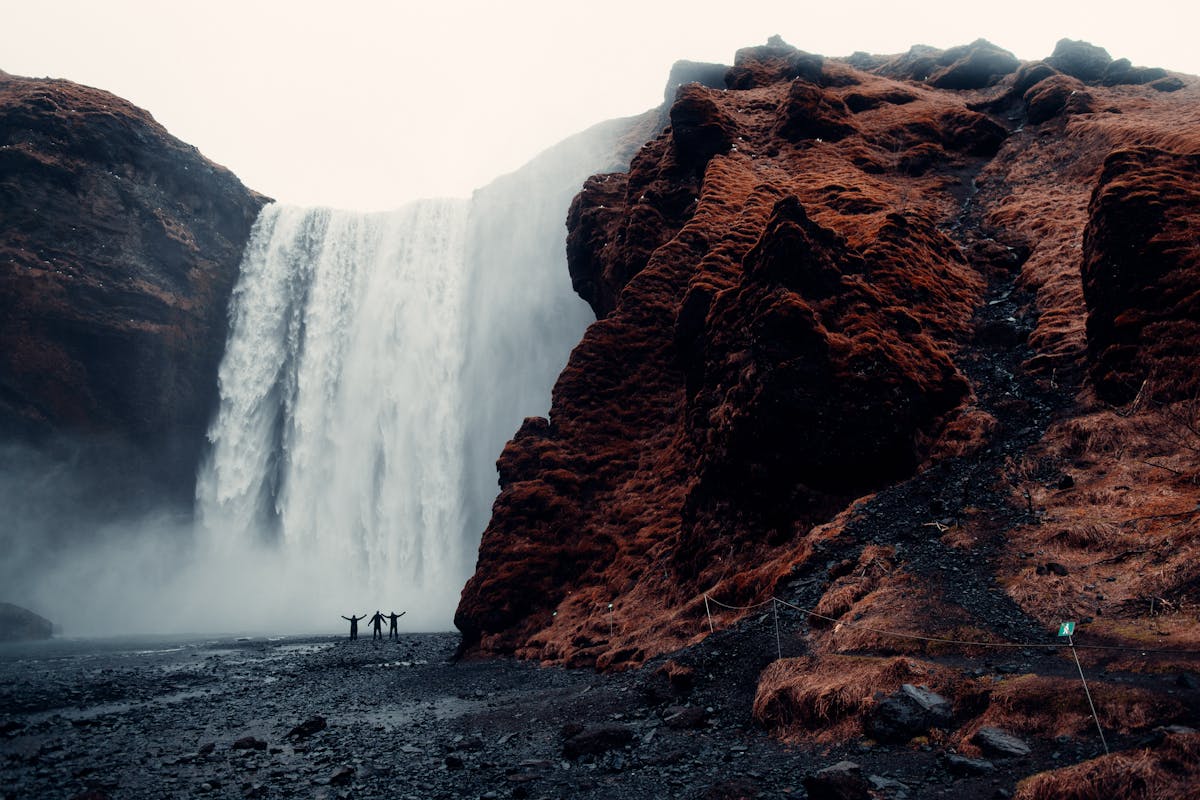
Inhaca Island is a 30–60 minute boat ride from Maputo offering day trips, guided walks, snorkelling on fringing reefs and patch-reef diving inside the Maputo Bay marine reserve. Visibility is best in the dry season (May–October). Use licensed local operators, carry Mozambican metical (MZN), and respect conservation fees.
Inhaca Island Mozambique: Day Trips, Diving & Marine Reserve
Inhaca Island Mozambique sits a short boat ride from Maputo but feels a world away: a mosaic of sandy beaches, mangrove channels, coral reefs and a small community whose life follows the sea. This practical guide covers how to get there from Maputo, the best day-trip options, diving and snorkelling highlights, and how to visit the marine reserve ethically so your time on Inhaca benefits local people and conservation.
Getting to Inhaca Island Mozambique (from Maputo)
Reaching Inhaca is straightforward yet beautifully maritime. Most visitors travel from Maputo by boat; small-boat operators and the occasional scheduled ferry link the capital and the island. Options include:
- Shared day-boat transfers and private speedboats that depart from Maputo harbour or nearby slipways early in the morning. Book through trusted operators or your guesthouse in Maputo.
- Private charters and dive-operator boats for groups; these are useful if you want a flexible schedule for dive sites and snorkel stops.
- Light-air transfers to Inhaca’s small airstrip: a fast option when available, especially in high season.
Practical timing: boats leave early—plan to be at the departure point before sunrise during busy months. Crossing takes roughly 30–60 minutes depending on the craft and tides. Always confirm return times: small local boats may not run after dusk.
Respectful note: when arriving and departing, greet island residents and local boat crews. Their livelihoods depend on marine traffic and tourism—polite, patient behaviour goes a long way.
Inhaca Island Mozambique: Day Trips and What to Expect
A day trip to Inhaca can be relaxed or activity-packed. Here are typical day-trip components and a sample itinerary.
Typical day-trip highlights
- Morning crossing and welcome at the main village (Inhaca Village).
- Guided walk around the island’s interior and viewpoints—good for landscapes and birdwatching.
- Visit to the Inhaca Marine Biological Station (if open): an opportunity to learn about regional research, species monitoring and community outreach.
- Low-tide snorkel on the fringing reefs to see corals, moray eels and reef fish.
- Lunch at a local beach restaurant or picnic with shade under casuarina trees.
- Optional visit to nearby islands or sandbanks for beachcombing.
Sample half-day and full-day itineraries
- Half-day: Early boat to Inhaca, short village orientation, guided reef snorkel, return to Maputo by mid-afternoon.
- Full-day: Boat crossing, guided island walk, visit to the marine station, lunch with locals, snorkel/dive in the afternoon, return at sunset.
Booking tip: many day-trip operators will combine Inhaca with a short visit to the Maputo Bay coastline or a sunset cruise—ask for an itinerary that prioritises local guide fees and environmental levies.
Inhaca Island Mozambique: Diving & Marine Reserve
The waters around Inhaca are part of a biologically rich region. The island lies within the broader Maputo Bay area which supports seagrass beds, mangroves and coral patches—habitats crucial for fish nurseries, sea turtles and invertebrates.
Dive and snorkel sites
- Fringing reefs: shallow coral gardens close to shore, ideal for snorkellers and beginner divers.
- Outer reef patches: deeper sites better suited to experienced divers; look for schools of snapper, rays and reef sharks.
- Seagrass and mangrove channels: excellent for macro life and juvenile species—bring a guide who knows the tidal windows.
Visibility and seasons: visibility is generally clearest in the dry winter months (May–October), when winds are steady and plankton reduced. However, diving and snorkelling can be rewarding year-round—expect warmer water and more plankton in the summer months.
Responsible diving and marine reserve etiquette
- Dive with licensed local operators who pay access and conservation fees. This channels direct support to the island economy.
- Don’t touch or move corals. Maintain good buoyancy to prevent accidental contact.
- Respect marine wildlife: do not chase turtles or attempt to feed fish.
- Dispose of waste properly—bring items back to the mainland if there are no appropriate facilities on the island.
The Inhaca Marine Biological Station and associated research programmes welcome tourists who are curious and respectful. If you can, donate to or participate in small education activities that benefit local school outreach and conservation efforts.
Where to Stay and Where to Eat (Maputo Province options)
If you extend your stay beyond a day trip, Inhaca has a handful of guesthouses and simple lodges focused on beach comfort rather than luxury. On the Maputo mainland before or after your visit, consider staying near the bay for easy transfers.
Recommended listing references for planning and combining activities:
- Book walking or cultural pre- and post-trip experiences in Maputo with Maputo City Walking Tours.
- For accommodation options near Maputo Bay, check Marracuene Riverside Lodge for eco-minded riverside stays that sit well with a visit to Inhaca.
- If you plan additional diving in Maputo Province (south of Inhaca), compare day-operator experiences such as Ponta do Ouro Coral Reef Diving Experience for larger reef systems and deeper dives.
Cultural Respect, Community Benefit & Ethical Travel
Visiting Inhaca is not only about pristine beaches and underwater life—it’s also about people whose daily routines depend on the ocean. Keep these principles in mind:
- Buy local: snacks, crafts and boat transfers should be sourced from island vendors where possible. Small purchases matter.
- Learn basic greetings in Portuguese or Xitsua (local languages) and use them—simple phrases build rapport.
- Ask before photographing residents, ceremonies or children. Many islanders are proud to share their culture when asked respectfully.
- Support community-led initiatives: if a marine education programme or beach clean-up is available, participate or donate.
For broader reading on sustainable approaches to travel in Mozambique, see Mozambique Ecotourism: Sustainable & Responsible Travel Guide.
Practical Tips for Visiting Inhaca Island Mozambique
- Timing: Dry season (May–October) offers better visibility and fewer storms. However, shoulder months can be quieter with good weather—check Mozambique May Travel or Mozambique June Travel for month-specific guidance.
- Cash: Bring Mozambican metical (MZN). ATMs aren’t guaranteed on the island. Small bills are useful for tipping and purchases.
- Safety & Health: Mozambique has strong sun and a marine environment. Use reef-safe sunscreen, bring a hat, and drink safe water. For emergency contacts, keep Mozambique Emergency Numbers & Safety Contacts Guide handy.
- Tides & Timing: Many snorkel spots are best at low tide when reef platforms are exposed and the marine life concentrates in deeper channels—ask your guide.
- Respect local customs: Dress modestly when walking through village areas. Swimwear is fine on the beach, but cover up when in the village or eateries.
- Pack essentials: snorkel gear (if you prefer your own), mosquito repellant, waterproof dry bag, and a lightweight rain jacket in summer.
Practical Conservation Actions You Can Take
- Avoid single-use plastics; carry a refillable water bottle.
- If you find fishing nets or debris near reefs, report or photograph and share the location with local guides or the marine station team.
- Prefer tour operators that demonstrate ethical waste management and that pay local guides fairly.
Photography and Wildlife Watching
Inhaca rewards photographers with wide seascapes, dramatic shorelines and intimate wildlife encounters. For tips on composition and respectful wildlife practices, consult Mozambique Photography Guide: Best Instagram Spots & Camera Tips.
Tip: early morning and late afternoon light are best for reefs and island portraits. Use polarising filters to reduce surface reflection while shooting over water.
Combining Inhaca with Other Maputo Province Experiences
Inhaca pairs well with other southern Maputo Province attractions. Consider:
- Ponta do Ouro for more extensive reef diving and encounters with dolphins and manta rays—see Mozambique Ponta do Ouro Guide.
- City food and music in Maputo—enjoy coastal Mozambican cuisine and sample dishes listed in Mozambique Maputo Food Guide: Best Restaurants & Street Food.
Combining a city stay with island time creates a fuller sense of Maputo Province: its capital’s vibrant street life and the quieter rhythms of Inhaca.
FAQ — Visiting Inhaca Island Mozambique
Q: Can I visit Inhaca as a day trip from Maputo?
A: Yes—many travellers visit Inhaca on day trips. Boats run early and return by late afternoon or evening. If you want a relaxed schedule or more diving time, consider staying overnight.
Q: Do I need to bring my own snorkel or dive gear?
A: Operators supply basic snorkel or dive gear, but if you have well-fitting equipment you prefer, bring it—especially masks and fins. Clean, personal gear improves comfort and hygiene.
Q: Is Inhaca safe to visit? What are common safety concerns?
A: Inhaca is generally safe for tourists. Standard marine cautions apply: check tides, boat operator safety standards and swim with a buddy. Keep valuables secure and follow local guidance about strong currents.
Q: Are there guided conservation activities I can join?
A: Yes—occasionally the marine station and community groups run educational visits and beach clean-ups. Ask your guide or the marine station when you arrive.
Q: What languages are widely spoken on Inhaca?
A: Portuguese is the official language and widely used. Local mother tongues, including Tsonga (Xitsonga), are common—learn a few greetings to show respect.
Final Thoughts — Inhaca Island Mozambique
Inhaca Island Mozambique is a short but profound voyage from Maputo: a place where reefs, mangroves and people form a living coastal culture. Whether you come for a day trip, to dive the patch reefs, or to learn about local conservation efforts, travel with curiosity, respect and a willingness to support community benefit. Your visit can strengthen local livelihoods and protect the marine habitats that make Inhaca special.
For practical preparation, check seasonal travel advice in month guides such as Mozambique May Travel and always carry emergency contacts (Mozambique Emergency Numbers & Safety Contacts Guide). If you want to combine the island with more dive experiences in Maputo Province, explore day operators listed above and choose companies committed to ethical tourism.
Safe travels—and enjoy the tides, reefs and warm welcomes of Inhaca Island Mozambique.
References & Further Reading
- Mozambique Ecotourism: Sustainable & Responsible Travel Guide
- Mozambique Photography Guide: Best Instagram Spots & Camera Tips
Listings referenced:
Enjoy your visit to Inhaca—travel ethically, leave the reefs as you found them, and support the island communities that make this coast unforgettable.
Quick Comparison
| Feature | Option A | Option B |
|---|---|---|
| Best season for visibility | Dry season (May–October): generally clearest visibility for snorkelling and diving. | Wet/summer months (November–April): warmer water with more plankton, visibility can be reduced but marine life is abundant. |
| Typical crossing time from Maputo | Inhaca: roughly 30–60 minutes by small boat or ferry, depending on craft and tides. | Ponta do Ouro: not specified in article, but is a separate southern Maputo Province dive destination often requiring longer travel and different transfer arrangements. |
| Reef type and diving | Inhaca: fringing reefs close to shore and patch/outer reef patches—good for snorkellers and beginner to intermediate divers. | Ponta do Ouro: larger reef systems and deeper dive sites, often better for advanced dives and encounters with dolphins and manta rays. |
| Typical day-trip length | Half-day: early boat, short village orientation and snorkel, return mid-afternoon. | Full-day: boat crossing, guided walk, marine station visit, lunch with locals, afternoon snorkel/dive and sunset return. |
| Accommodation style | Inhaca: a few guesthouses and simple lodges focused on beach comfort and local hospitality. | Maputo mainland/Ponta do Ouro: broader range of accommodations; Maputo offers city hotels for transfers while Ponta do Ouro offers dive-focused lodging. |
Key Facts
Boat crossings from Maputo to Inhaca take roughly 30–60 minutes depending on the craft and tides.
LogisticsVisibility for diving and snorkelling is generally clearest in the dry winter months, from May to October.
SeasonSmall local boats may not run after dusk, so visitors should confirm return times before travelling.
SafetyMost operators provide basic snorkel and dive gear, but travellers are advised to bring personal masks and fins for better fit and hygiene.
LogisticsVisitors should carry Mozambican metical (MZN) because ATMs are not guaranteed on Inhaca and small bills are useful for tips and purchases.
CostInhaca Island lies within the broader Maputo Bay area and supports seagrass beds, mangroves and coral patches important for fish nurseries and sea turtles.
ConservationInhaca has a handful of guesthouses and simple lodges focused on beach comfort rather than luxury accommodation.
AccommodationThe Inhaca Marine Biological Station conducts research and community outreach and welcomes respectful tourists interested in conservation activities.
Conservation