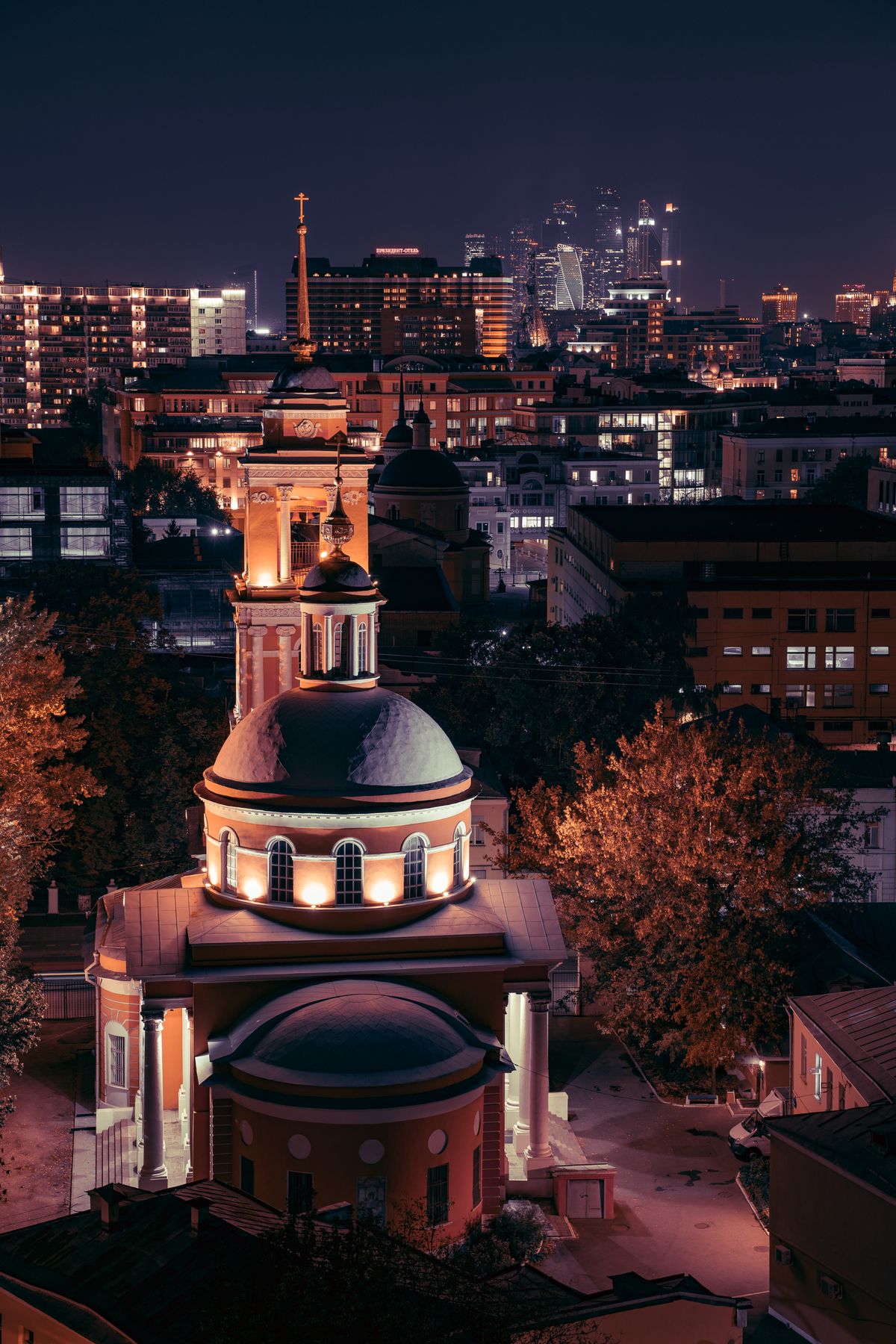
Mozambique’s 2026 tourism boom reflects record visitor growth driven by improved international air links, investment in eco-lodges and conservation-linked tourism, and rising demand for beaches, diving and cultural experiences. Popular hubs include Maputo, Inhambane (Bazaruto/Tofo/Vilanculos), Pemba/Quirimbas and Gorongosa, with ethical travel and community partnerships emphasized.
Mozambique Tourism 2026 Boom: Why Visitors Are Flocking
The mozambique tourism 2026 boom is more than a headline — it’s a nationwide shift. Record numbers of travellers are arriving to experience Mozambique’s white-sand beaches, vibrant cities, rich musical and culinary traditions, world-class diving and renewed safari options. This guide explains why 2026 is a landmark year for travel to Mozambique, where to go, how to travel responsibly, and how visitors can ensure their trip benefits local communities.
Why the mozambique tourism 2026 boom is happening
Several converging factors explain the mozambique tourism 2026 boom. Tourism recovery after global travel disruptions has been robust, but Mozambique’s growth is driven by long-term investments and smart promotion rather than short-term hype.
- Improved international air connections and competitive fares.
- Investment in eco-lodges, responsible operators, and conservation-linked tourism.
- Growing global demand for beach, diving, and off-the-beaten-path cultural experiences.
- Increased visibility from conservation successes, culinary interest, and community-led projects.
“Visitors come for the sea and the safari, but they stay for the people.”
This boom reflects both rising demand and a deliberate effort by Mozambican entrepreneurs, conservation groups and communities to build tourism that is sustainable and beneficial.
Key drivers behind the mozambique tourism 2026 boom
Better connectivity and access
New and expanded air routes, along with improved domestic ground and ferry links, have reduced travel friction. As more cities in Southern Africa and Europe include seasonal or year-round flights to Maputo, Nampula and Pemba, Mozambique is increasingly accessible to a wider audience.
Investment in quality, sustainable accommodation
The country’s tourism offering has diversified: luxury private islands and eco-lodges sit alongside affordable beach camps and community homestays. These options cater to different budgets while often prioritising conservation and local employment. For examples of eco-focused stays, consider community camps and inland lodges that partner with local guides.
Conservation and authentic wildlife experiences
Conservation wins — and the community tourism models that accompany them — are attracting travelers who want meaningful wildlife experiences. Park management reforms and tourism revenue sharing have renewed interest in places like Gorongosa and smaller reserves.
Cultural and culinary curiosity
Mozambique’s coastal cuisine, vibrant music (from marrabenta to modern fusion) and centuries-old island histories (e.g., Ilha de Moçambique) are a major draw for travellers seeking cultural depth.
Repeat and longer-stay travel trends
With more travellers seeking longer trips or multi-destination itineraries (islands + safari + city), Mozambique’s mix of coast, culture and conservation fits perfectly. Digital nomads and remote workers are also discovering long-term stays in coastal towns.
Top destinations driving the mozambique tourism 2026 boom
Maputo and the southern circuit
Maputo’s cafe culture, markets, and new hospitality options anchor the south. For city-focused planning see Maputo Travel Guide 2026: Things to Do & Where to Eat and the shorter Maputo Travel Guide: 48 Hours in Mozambique's Capital. Also look for guided walks and cultural tours like Maputo City Walking Tours.
Inhambane province — Bazaruto, Tofo and Vilanculos
Inhambane remains a top attractor: the Bazaruto Archipelago’s reefs (linked to day trips like Bazaruto Archipelago Dhow Sailing & Snorkeling Day Trip), Tofo’s diving and whale-shark encounters, and the vibrant beachfront towns of Vilanculos. For on-the-ground planning, see Vilanculos Travel Guide: Gateway to Bazaruto, Dhows & Beaches and the broader Bazaruto Archipelago Guide: Diving, Dhows, Islands & Prices.
Northeastern coast — Pemba and the Quirimbas
Pemba’s reefs and the Quirimbas Archipelago are emerging as premium, lower-traffic alternatives for diving and private-island retreats. Pemba’s mix of Makonde culture and seafood makes it compelling — see Pemba Mozambique Travel Guide 2026: Beaches, Diving & Safety.
Inland safaris and community tourism
Gorongosa has become a model for linking conservation with community benefits; read the full note in Gorongosa National Park Complete Guide: Safaris & Community Tourism. Lesser-known reserves and community-run projects (river camps, buffalo reserves) are also attracting tourists seeking small-group, ethical experiences.
Northern lakes and remote wilderness
Niassa and Lake Niassa offer remote, low-impact safari experiences — perfect for travellers looking to pair wildlife with cultural homestays like Lake Niassa Shore Camp and island communities.
How visitors are helping — and how to make sure your trip benefits local communities
The mozambique tourism 2026 boom presents economic opportunity, but the benefits depend on how tourism is practised. Ethical travel and community partnership are central to long-term success.
- Choose locally owned lodges, community-run homestays and small tour operators.
- Book cultural experiences that pay communities directly (workshops, guided walks, craft markets).
- Prefer operators that employ and train local guides, cooks and support staff.
- Support conservation fees and community funds when offered; they fund schools, clinics and anti-poaching work.
Examples of community-linked experiences include Ilha de Moçambique Family Homestay, craft workshops like Pemba Makonde Art Workshop, and conservation-linked tours such as Marromeu Buffalo Reserve Community Guides.
Recommended experiences and listings to consider
- Snorkel or sail the Bazaruto reefs: Bazaruto Archipelago Dhow Sailing & Snorkeling Day Trip
- Kite and lagoon experiences: Bilene Kite Beach Camp
- Cultural dance and music: Chókwè Tsonga Music & Dance Experience
- Homestays for authentic cultural exchange: Quelimane Riverside Homestay
Each of these options demonstrates how tourism dollars can flow directly to local people, preserving traditions while creating livelihoods.
Practical Tips for travellers during the mozambique tourism 2026 boom
Plan ahead, but stay flexible. As demand has increased, popular lodges and island permits can sell out well in advance.
Health & safety basics
- Check health requirements and malaria advice; see Mozambique Malaria Guide 2026: Prevention, Risks & Medication.
- Read the latest safety guidance in Is Mozambique Safe 2026? Nationwide Safety Guide for Tourists and the province-by-province analysis Is Mozambique Safe 2026? Province-by-Province Travel Safety Guide.
Visas and paperwork
- Check current entry rules and e-visa procedures in Mozambique Visa Requirements 2026: e-Visa, VFS & Entry.
Money and bargaining
- Cash remains useful in smaller towns; ATMs are common in major centres but unreliable in remote areas.
- Bargain respectfully at markets and always value artisan work; buying directly from makers supports families.
Respect culture and the environment
- Ask before photographing people, especially in rural communities.
- Avoid single-use plastics; participate in beach clean-ups when offered.
- Support businesses that employ local staff and pay fair wages.
Transport and timings
- Domestic flights save time but book early. Ferries and dhows are rewarding but slower — ideal if your schedule allows.
- Allow buffer time between domestic connections; infrastructure improvements are ongoing but delays do occur.
Sample 10-day itinerary to experience the mozambique tourism 2026 boom (nationwide)
Day 1–2: Maputo — markets, music, seafood. (See Maputo Travel Guide 2026)
Day 3–5: Vilanculos & Bazaruto — diving, dhows, island reefs; book a day trip like Bazaruto Archipelago Dhow Sailing & Snorkeling Day Trip.
Day 6–7: Inhambane / Tofo — dive with whale sharks, experience local nightlife and fishing communities. (See Tofo Beach Mozambique: Whale Sharks, Mantas & Nightlife)
Day 8–9: Gorongosa — community-guided safari, morning and afternoon game drives. (See Gorongosa National Park Complete Guide)
Day 10: Return to Maputo or extend to Niassa for remote wilderness.
Ethical travel checklist
- Book with community-minded operators.
- Prioritise experiences that directly hire local guides and artisans.
- Minimise environmental footprint: water use, energy, and waste.
- Share travel benefits: tip fairly, buy locally made crafts, and follow cultural norms.
FAQ — Practical answers about the mozambique tourism 2026 boom
Q: Is Mozambique safe to visit in 2026?
A: Safety varies by province. Urban areas and popular coastal destinations are generally safe for tourists who follow local guidance. Consult comprehensive safety briefings like Is Mozambique Safe 2026? Nationwide Safety Guide for Tourists and the province-by-province guide before you travel.
Q: Do I need a visa to visit Mozambique in 2026?
A: Many travellers require a visa; several nationalities can apply for an e-visa. See Mozambique Visa Requirements 2026: e-Visa, VFS & Entry for the latest rules and application steps.
Q: When is the best time to visit during the 2026 boom?
A: Mozambique is popular in the dry winter months (May–October) for wildlife and whale watching. For specific seasonal advice, consult guides like Mozambique October Travel: Weather, Events & Whales or the September guides listed in our archive.
Q: How can I make sure my trip benefits local communities?
A: Choose community homestays, locally owned lodges, and experiences where fees support conservation and social projects. Examples include homestays and conservation tours listed above, and community craft markets.
Q: What vaccinations or health precautions do I need?
A: Routine vaccinations are recommended and malaria precautions depend on region and season. Consult Mozambique Malaria Guide 2026: Prevention, Risks & Medication and your healthcare provider for personalised advice.
Final thoughts: How to experience the mozambique tourism 2026 boom responsibly
The mozambique tourism 2026 boom is an opportunity — for visitors to discover outstanding natural and cultural riches, and for communities to benefit from sustainable income. Travellers who prioritise ethical operators, respect local cultures, and choose experiences that give back will find their journeys more rewarding and more impactful.
Mozambique’s hospitality is warm and dignified; as the country welcomes record numbers of visitors in 2026, thoughtful tourism practices will ensure that growth preserves the landscapes, livelihoods and traditions that make Mozambique so unforgettable.
For more planning resources, see practical guides on visas, safety, and health in our archive — and consider community experiences and listings like Bilene Kite Beach Camp and Ilha de Moçambique Family Homestay to make your visit both memorable and meaningful.
Travel well, travel respectfully — and enjoy the mozambique tourism 2026 boom with care.
Quick Comparison
| Feature | Option A | Option B |
|---|---|---|
| Primary appeal | Maputo: city culture, markets, cafes, restaurants and guided urban tours | Inhambane (Bazaruto/Tofo/Vilanculos): beaches, diving, whale-shark encounters and island reefs |
| Best for low-traffic premium diving | Bazaruto Archipelago: established reef day trips and dhow sailing | Quirimbas (Pemba): emerging premium, lower-traffic private-island retreats and Makonde cultural experiences |
| Conservation and safari focus | Gorongosa: model for conservation-linked tourism and revenue sharing with communities | Niassa/Lake Niassa: remote, low-impact safari experiences and cultural homestays |
| Travel speed vs experience | Domestic flights: faster, save time for multi-destination itineraries but must be booked early | Ferries/dhows: slower and less reliable, but offer scenic coastal travel and cultural experience |
| Typical visitor length | City-focused trips (Maputo): shorter stays or 48-hour city itineraries | Coast + safari itineraries: longer stays and multi-destination trips (islands + safari + city) |
Key Facts
Mozambique experienced record visitor growth in 2026 driven by improved international air connections and long-term investments in tourism.
LogisticsThe dry winter months, May–October, are the most popular time to visit Mozambique for wildlife viewing and whale watching.
TimingKey destination hubs listed in the guide include Maputo, Inhambane (Bazaruto, Tofo, Vilanculos), Pemba and the Quirimbas, Gorongosa National Park, and Niassa/Lake Niassa.
LogisticsInvestment in eco-lodges, luxury private islands, affordable beach camps and community homestays has diversified Mozambique’s accommodation options in 2026.
CostConservation-linked tourism and revenue-sharing models have renewed interest in Gorongosa National Park and smaller reserves.
ConservationDomestic flights save significant travel time across Mozambique, but ferries and dhows remain slower, more scenic options and require earlier booking due to demand.
LogisticsVisitors can support local communities by choosing locally owned lodges, booking community workshops and paying conservation fees that fund schools, clinics and anti-poaching work.
Culture