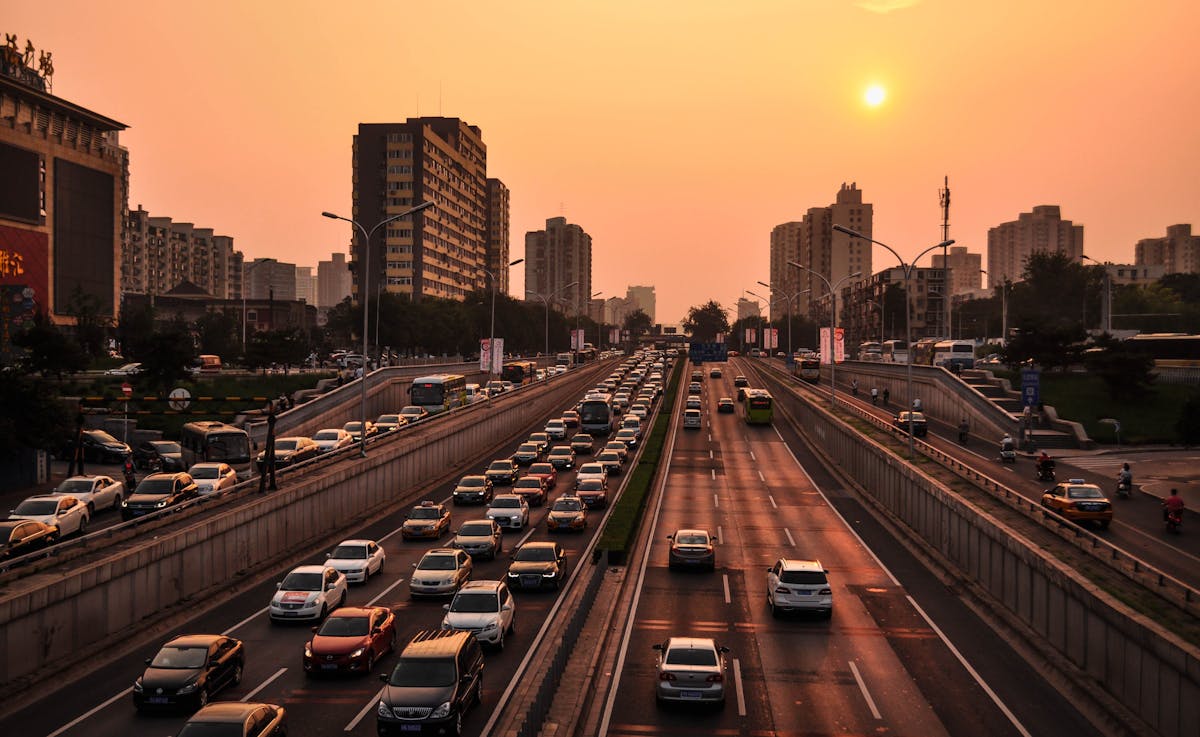
A Mozambique self-drive safari is best planned for May to October, using a properly equipped 4x4 with high clearance and low range. Allow 10–14 days for one region or 3–4 weeks nationwide. Avoid night driving, carry fuel and recovery gear, download offline maps, and use local guides and community-run lodges.
Mozambique Self-Drive Safari: 4x4 Road Trip Guide Nationwide
A mozambique self drive safari offers one of the most intimate, flexible ways to experience this long Indian Ocean coastline, wild interior and unique cultures. With a reliable 4x4, careful planning and respectful travel habits you can cross provinces, spend nights under baobabs and wake to ocean views — all while supporting communities and conservation. This guide gives practical, authoritative advice for a safe, rewarding nationwide 4x4 road trip and safari.
Travel with humility and curiosity. Mozambique's landscapes and communities reward patience, good manners and local engagement.
Planning your mozambique self drive safari
When to go
- Best season: May to October (dry season). Roads firm up, wildlife is easier to find and coastal humidity drops.
- Wet season notes: November–April brings heavy rains and cyclones on the coast; many dirt roads become impassable.
How long to plan
- Minimum: 10–14 days to cover a single region comfortably (e.g., Maputo to Inhambane).
- Ideal: 3–4 weeks for a true nationwide loop allowing time for wildlife, islands and cultural stops.
Paperwork and permits
- Passport and return ticket: essential. Keep copies of documents and store originals securely.
- Driver requirements: carry your national driver’s license and, if available, an International Driving Permit (IDP). Check with your rental agency on requirements.
- Vehicle paperwork: original registration, insurance papers and rental contract. If crossing borders (e.g., into Eswatini or South Africa), confirm cross-border permission steps with your rental company.
- Park fees and permits: many reserves require payment on entry and may require pre-booking for night drives or guided safaris.
Vehicle choice and rentals
You want a proper 4x4: high clearance, low-range capability and decent luggage capacity. Choose a reputable operator that provides:
- Comprehensive insurance (read the excess terms).
- Support for breakdowns and towing.
- Clear policies on off-road use and park entry.
Recommended local operator: 4x4 Africa Self-Drive Car Rental.
Driving routes and highlights for a mozambique self drive safari
Below are several suggested routes to stitch together depending on time and interests. Each route pairs wildlife and cultural experiences so the journey benefits local economies.
Maputo, Maputo National Park & the southern coast (short loop)
- Start: Maputo (cultural markets, colonial architecture). See tips on local flavors in Mozambique Maputo Food Guide.
- Maputo National Park: short safari drives, coastal dunes and wetlands. Consider a stay at Ponta Membene Lodge (Maputo National Park).
- Bilene and return via coastal villages — easy beach stops and water sports.
This is ideal as a gentle introduction to rural roads and formal reserve rules.
Inhambane & Bazaruto Archipelago (coast + islands)
- Route: Maputo → Xai-Xai → Inhambane → Vilanculos.
- Activities: Tofo diving (whales, manta rays), Bazaruto island snorkel trips and dhow sails. Book a sunset dhow or snorkel for local guides: Sunset Dhow Safari Vilanculos and the Bazaruto Archipelago Dhow Sailing & Snorkeling Day Trip.
- Lodging: eco-lodges such as Kisawa Sanctuary (Benguerra Island) show how high-value tourism can support conservation.
Central Mozambique & Gorongosa (wildlife recovery)
- Route: Beira or Inchope junction to Gorongosa National Park (Sofala).
- Why go: Gorongosa is a world-class restoration success story — wildlife viewing in a recovering ecosystem is powerful and meaningful. Plan a stay or join conservation programs like Gorongosa Restoration & Community Conservation Programme. Read more background on Gorongosa's comeback in Gorongosa Wildlife Restoration: Africa's Greatest Comeback.
Northern routes: Lake Niassa, Nampula & Ilha de Moçambique
- Route: Nampula → Angoche or Ilha de Moçambique (UNESCO treasure). Visit Ilha de Moçambique UNESCO Heritage Walking Tours for walking tours of the fortified old town.
- Lake Niassa (Lake Malawi) offers quiet island bays, fishing and remote roads — prepare for long distances between fuel stops. See Lake Niassa Mozambique Travel Guide: Beaches, Fishing & Islands.
Practical multi-region loop example (3-week)
- Maputo (city food and museums) — enjoy local markets and music.
- Maputo National Park — short safari and dunes.
- Bilene — lagoon beaches and kitesurfing.
- Inhambane/Tofo — diving and manta rays; overnight Tofo Scuba trips (Tofo Scuba Dive Centre).
- Vilanculos and Bazaruto — islands and dhow safaris.
- Beira and Gorongosa — wildlife and community conservation.
- Nampula and Ilha de Moçambique — Swahili history and UNESCO sites.
Safety, roadcraft and vehicle preparedness for a mozambique self drive safari
Before you leave
- Service the vehicle and carry a full spare tyre, jack, toolkit, spare fanbelt, radiator hoses and ample coolant.
- Carry two jerry cans of diesel (or petrol as required). Fuel stations are frequent in cities but scarce in remote stretches.
- Pack a fridge/cool box for food, at least one medical kit, a satellite phone or Bluetooth SOS device if you’ll travel to very remote regions.
On the road
- Drive conservatively: potholes, washaways and livestock are common. Night driving outside towns is risky — avoid it where possible.
- Use low-range 4x4 techniques on sandy or rutted tracks; reduce tyre pressure for long sand stretches.
- Traffic law: yield to local traffic patterns and respect speed limits. Police checks happen — present documentation calmly.
Wildlife etiquette
- Observe animals from a distance; do not block migration paths or approach young.
- In protected areas always follow park rules and the instructions of rangers or guides.
Accommodation, community stays and ethical choices
- Choose lodges and operators that prioritize local employment, community benefits and conservation. See options in our national sustainable tourism overview: Mozambique Sustainable Tourism: Eco-Lodges & Community Impact and examples in the Mozambique Eco Lodge Guide: Sustainable Stays Nationwide.
- Community tourism: stay in locally run guesthouses and buy crafts from village cooperatives — your trip dollars should flow to local families. For structured community experiences see Mozambique Community Based Tourism: Local Stays & Culture.
- Try small, community-integrated lodges like Ibo Island Lodge to ensure benefits reach local workers and guides.
Responsible and respectful travel practices
- Ask before photographing people; accept that some will decline and respect those wishes.
- Learn a few words in Portuguese or a local language like Changana or Emakhuwa — greetings open doors.
- Avoid single-use plastics; dress modestly when visiting villages and religious sites.
- Hire local guides for cultural tours — their knowledge is invaluable and earnings stay local.
Ethical travel multiplies benefit: the more you choose local guides, local food and community lodges, the greater your positive impact.
Practical Tips for a successful mozambique self drive safari
- Navigation: carry both offline maps (e.g., pre-downloaded GPS maps) and a physical road atlas. Mobile coverage can be patchy.
- Cash & payments: larger towns accept cards, but carry enough metical (MZN) for fuel, market purchases and park fees in rural areas.
- Fuel planning: top up whenever you can — do not assume fuel between towns.
- Medical: bring anti-malarials if advised by your doctor; vaccination and travel-health recommendations change, so consult a travel clinic before departure.
- Food & water: stick to bottled water, consume food from reputable kitchens and support local eateries for authentic experiences.
- Respect speed and noise in villages; curfews or informal community norms may be in place.
- Communication with locals: be polite, patient and curious. Small gestures (a greeting, a smile) are appreciated.
Packing checklist (essentials)
- Valid passport, driver’s license and IDP (if available)
- Vehicle papers, insurance, roadside assistance contact
- Spare tyre(s), recovery gear (shovel, traction mats), tow rope
- Two jerry cans with fuel, extra oil and coolant
- First aid kit, insect repellent, sunscreen
- Torch/headlamp, batteries and chargers
- Lightweight but protective clothing, rain jacket for sudden downpours
- SIM card with data and offline map downloads
Sample day budgets (per person, indicative)
- Budget traveler (camping/guesthouses, shared meals): USD 30–60/day
- Mid-range (eco-lodges, guided activities): USD 80–180/day
- Comfort/luxury (high-end lodges, private boat trips): USD 200+/day
Costs vary dramatically by season and location; island transfers and park fees add up, so budget accordingly.
Local experiences to include
- Guided dhow sunset on the Bazaruto or Vilanculos coast (Sunset Dhow Safari Vilanculos).
- Birding with local experts around Maputo and wetlands (Birding Mozambique Expert Tours).
- Deep-sea fishing charters in Inhambane for sustainable fishing experiences (Mozambique Deep Sea Fishing Charters).
Further reading and regional context
- For coastal island diving and day trips see Inhaca Island Mozambique: Day Trips, Diving & Marine Reserve.
- To place your safari in cultural context, explore music, architecture and festivals across Mozambique: Mozambique Music Guide: Marrabenta, Timbila & Traditional Sounds and Mozambique Portuguese Colonial Architecture: Maputo, Ilha & Beira.
FAQ — mozambique self drive safari
Q: Do I need a 4x4 for all routes in Mozambique?
A: Not all routes require a 4x4, but for a true mozambique self drive safari that includes national parks, sandy coastal tracks, remote northern roads and detours off tarmac, a 4x4 is highly recommended. It ensures safety, comfort and flexibility.
Q: Is it safe to drive at night?
A: Night driving outside major towns is not recommended due to poor lighting, livestock, pedestrians and variable road conditions. Plan to arrive before dusk and use well-lit accommodation options.
Q: How reliable is mobile coverage and should I use a local SIM?
A: Coverage is reliable in cities and larger towns but patchy in remote areas. Buy a local SIM for data and download offline maps and essential contacts before you depart.
Q: Can I bring a rented vehicle across borders?
A: Cross-border travel depends on the rental company and insurance. Always request cross-border permission in writing and confirm extra fees, carnet requirements or restricted countries.
Q: How can I ensure my trip benefits local communities?
A: Choose community-run lodges, hire local guides, buy crafts directly from artisans and book tours with reputable operators who reinvest in community projects. See examples in Mozambique Community Based Tourism: Local Stays & Culture and eco-minded lodges in Mozambique Eco Lodge Guide: Sustainable Stays Nationwide.
Final practical notes and etiquette
- Always ask permission before photographing people and private property.
- Tipping is appreciated for good service — small amounts go a long way.
- Respect local ceremonies, religious practices and dress norms.
Conclusion: Start your mozambique self drive safari with care and respect
A mozambique self drive safari is a singular way to connect with wild landscapes, island life and warm communities. With a sturdy 4x4, careful planning, cultural respect and sustainable choices you can create a journey that delights and gives back. Book local guides, choose community-minded lodges and prepare for remote roads — Mozambique rewards those who travel thoughtfully.
Safe travels, and may your routes bring discovery, respectful encounters and meaningful support for the communities you meet along the way.
References and recommended listings:
Further reading:
- Inhaca Island Mozambique: Day Trips, Diving & Marine Reserve
- Gorongosa Wildlife Restoration: Africa's Greatest Comeback
- Mozambique Sustainable Tourism: Eco-Lodges & Community Impact
- Mozambique Eco Lodge Guide: Sustainable Stays Nationwide
Enjoy planning your mozambique self drive safari — tread lightly, seek local knowledge and let the road unfold.
Quick Comparison
| Feature | Option A | Option B |
|---|---|---|
| Época de viagem | Maio–outubro: estação seca, estradas mais firmes, melhor facilidade para observar fauna e menor humidade costeira. | Novembro–abril: chuvas fortes e ciclones costeiros; estradas de terra podem tornar-se intransitáveis. |
| Duração recomendada | 10–14 dias: exploração confortável de uma região, como Maputo–Inhambane. | 3–4 semanas: circuito nacional com parques, ilhas, litoral e paragens culturais. |
| Orçamento diário por pessoa | Económico: USD 30–60, normalmente com campismo ou guesthouses e refeições partilhadas. | Intermédio a luxo: USD 80–180 para eco-lodges e atividades guiadas; USD 200+ para alojamentos e experiências de luxo. |
| Tipo de rota | Sul e litoral: Maputo, Maputo National Park, Bilene, Inhambane, Tofo e Vilanculos; mais adequado para praias, cultura e uma introdução às estradas rurais. | Centro e norte: Gorongosa, Nampula, Ilha de Moçambique e Lago Niassa; mais adequado para fauna, história, estradas remotas e viagens longas entre abastecimentos. |
| Conectividade | Cidades e vilas maiores: cobertura móvel geralmente mais fiável e maior disponibilidade de combustível e pagamentos com cartão. | Regiões remotas: cobertura e combustível mais limitados; leve dinheiro em meticais, abasteça sempre que possível e use mapas offline. |
Key Facts
A melhor época para um safári de carro próprio em Moçambique é de maio a outubro, durante a estação seca.
TimingO artigo recomenda 10–14 dias para explorar confortavelmente uma única região e 3–4 semanas para um circuito nacional.
PlanningConduzir à noite fora das principais cidades é desaconselhado devido à iluminação insuficiente, animais, peões e condições variáveis das estradas.
SafetyViajantes devem levar dois jerry cans de combustível, um pneu sobresselente completo, equipamento de recuperação, líquido de refrigeração e um kit de primeiros socorros.
Vehicle PreparednessA cobertura móvel é geralmente mais fiável em cidades e vilas maiores, mas pode ser irregular em zonas remotas; por isso, o artigo recomenda mapas offline e um cartão SIM local.
LogisticsOs custos diários indicativos são de 30–60 dólares para orçamento económico, 80–180 dólares para nível intermédio e 200 dólares ou mais para conforto ou luxo.
CostO percurso Maputo–Inhambane–Vilanculos combina praias, mergulho em Tofo, atividades no arquipélago de Bazaruto e viagens de dhow.
DestinationsOs viajantes devem pedir autorização antes de fotografar pessoas e respeitar recusas, cerimónias locais, práticas religiosas e normas de vestuário.
Culture