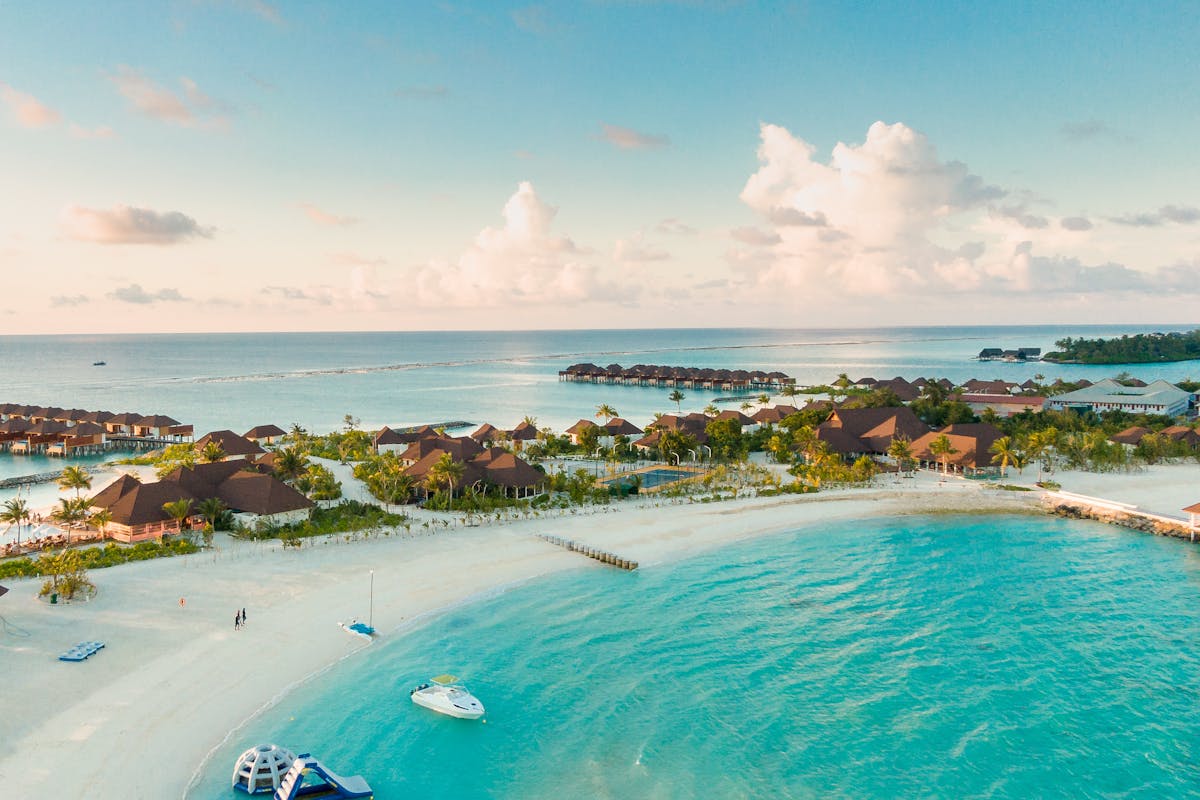
Mozambique island hopping is best planned between April and November, when conditions are generally drier and seas calmer. Choose Bazaruto for accessible lagoons, snorkelling, dugong habitats and luxury stays from Vilanculos; choose Quirimbas for remote reefs, Ibo Island’s Swahili history and community-focused travel. Allow 7–14 days, plus weather buffers.
mozambique island hopping bazaruto quirimbas: Complete Guide
The dream of turquoise lagoons, dune-backed islands and remote coral reefs comes alive when you plan a mozambique island hopping bazaruto quirimbas itinerary. Whether you seek luxury eco-lodges, community-run homestays or weeks of snorkelling and diving, this guide covers routes, logistics, conservation-minded operators and practical tips to help you travel respectfully and confidently across both archipelagos.
Why choose mozambique island hopping bazaruto quirimbas?
Mozambique’s two flagship island groups — the Bazaruto Archipelago in the south and the Quirimbas Archipelago in the north — offer distinct but complementary experiences. Bazaruto is compact, accessible from Vilanculos and known for clear lagoons, dugong habitats and luxury camps. The Quirimbas stretch along the Cabo Delgado coast, combining wild reefs, cultural islands with Swahili history, and remote community-run lodges.
- Bazaruto: short boat transfers, world-class snorkelling and easy access to Vilanculos activities.
- Quirimbas: longer island-hopping routes, cultural immersion (notably Ibo Island), and quieter, more remote reefs.
Both archipelagos support marine life that benefits from ethical tourism: your choices — operators, lodges and activities — can have a significant positive impact. For context on conservation-focused visits, see Mozambique Conservation Tourism: How Your Visit Helps Wildlife.
Planning your mozambique island hopping bazaruto quirimbas trip
When to go
- Best overall: April–November (dry season, calm seas, lower humidity). Peak visibility for diving occurs May–October.
- Whale sharks and manta season varies by region; check local dive centres for exact months.
How long to allow
- Short escape (5–7 days): pick one archipelago and do day trips from a base (Vilanculos for Bazaruto; Pemba for Quirimbas).
- Classic island hop (10–14 days): split time between Bazaruto and Quirimbas — fly between regional airports and connect with scheduled dhows or charters.
- Slow voyage (2+ weeks): travel by dhow or private boat, spending multiple nights on different islands for immersive experiences.
Getting there and between archipelagos
- International gateways: Maputo, Nampula (for Ilha and Pemba), Nelspruit (seasonal), and Vilanculos (regional flights). Domestic airlines and charters connect these hubs.
- Vilanculos is the gateway to Bazaruto; Pemba and Ilha-de-Moçambique are gateways to the Quirimbas. See Pemba Mozambique Travel: Gateway to the Quirimbas Archipelago for northern access.
- Inter-archipelago transfers usually require a domestic flight (Vilanculos ↔ Pemba) or a longer coastal cruise; plan buffer days for weather and connections.
Tip: Book flights and at least your first-night accommodation before arrival. Weather can delay boats and small aircraft; flexible schedules reduce stress.
Top experiences on mozambique island hopping bazaruto quirimbas
Snorkelling and scuba diving
Both archipelagos boast teeming reefs. For certification, courses and top sites, check Mozambique Scuba Diving Certification: PADI Courses & Top Sites.
- Bazaruto: shallow coral gardens, excellent snorkel sites and chance to see manta rays and dugong feeding grounds in protected lagoons.
- Quirimbas: remote walls, drop-offs and abundant macro life; superb for longer liveaboard-style trips.
Recommended day operators for Bazaruto excursions: Bazaruto Archipelago Dhow Sailing & Snorkeling Day Trip and sunset dhow options from Vilanculos such as Sunset Dhow Safari Vilanculos. For an upscale island stay, consider Kisawa Sanctuary (Benguerra Island).
Cultural islands and history
- Ibo Island in the Quirimbas is a living Swahili town with fort ruins, dhow-building craft and silverwork. A celebrated option is Ibo Island Lodge and the related article Ibo Island Lodge Quirimbas: Silver Craftsmen & Island Adventure delves into local crafts and community experiences.
- Ilha de Moçambique offers UNESCO heritage streets and a strong sense of layered history; consider guided walking tours for respectful interpretation: Ilha de Moçambique UNESCO Heritage Walking Tours.
Fishing, kitesurfing and dhow safaris
- Sport fishing is popular in both regions; choose responsible charters that follow catch-and-release practices when requested. See listings like Mozambique Deep Sea Fishing Charters.
- Vilanculos and Bazaruto are wind-friendly for kitesurfing; check local schools and conditions at Vilankulos Kitesurfing Centre.
- For classic sailing experiences, traditional dhows offer day trips and overnight safaris; a useful read is Mozambique Dhow Safari Vilanculos: Bazaruto Archipelago Sailing.
Suggested itineraries
7-day Bazaruto highlights (ideal for first-timers)
- Fly to Vilanculos — overnight at a beachfront lodge (Vilanculos has many options; see Vilanculos Accommodation: Bazaruto's Adventure Capital Guide).
- Day 2: Dhow snorkel tour to a nearby reef and sandbank; afternoon village visit.
- Day 3: Full-day trip to the Bazaruto National Park lagoon for dugong-friendly zones.
- Day 4: Transfer to Benguerra Island — stay at an eco-lodge such as Kisawa Sanctuary (Benguerra Island).
- Days 5–6: Diving or diving courses (if needed), or relax on remote beaches.
- Day 7: Return to Vilanculos and fly out.
10–14 day north-south island hop (mix of Quirimbas + Bazaruto)
- Start in Pemba or Ilha de Moçambique; spend 4–6 nights exploring Quirimbas islands (Ibo, Matemo, Quirimba) for culture, remote diving and local craft markets.
- Fly to Vilanculos for 4–6 nights around Bazaruto and Benguerra for lagoons, luxury and more accessible day trips.
- Factor in internal flights and an extra day for logistics on either end.
Accommodation and operators: choosing ethically
- Balance comfort with community benefit. Seek lodges that employ local staff, buy local supplies and contribute to conservation or education programmes. For examples of community-first properties and awards, see Mozambique Community Based Tourism: Local Stays & Culture and the national sustainable destination recognition in Mozambique Sustainable Destination 2025: Award & Impact.
- Notable listings and lodges: Ibo Island Lodge (Quirimbas), Kisawa Sanctuary (Benguerra Island) (Bazaruto), and local dhow operators such as Bazaruto Archipelago Dhow Sailing & Snorkeling Day Trip.
Conservation, community and ethical travel
Mozambique’s coastal communities rely on healthy reefs and sustainable tourism. As you travel:
- Choose operators that support reef protection, waste reduction and local employment.
- Respect marine closures and no-take zones — they protect fish stocks and dugong habitats.
- Buy crafts directly from makers and use community-run tours to ensure benefit flows to local families.
For deeper reading on conservation-minded travel practices in Mozambique, consult Mozambique Conservation Tourism: How Your Visit Helps Wildlife and Mozambique Sustainable Travel Guide: Practical Eco-Tips for Visitors.
Practical Tips
Packing and gear
- Bring reef-safe sunscreen, a lightweight snorkel mask (fits most faces), and a dry bag.
- For diving: if you’re certified, travel with your mask and regulator if possible; rent tanks and weights locally.
Health & safety
- Vaccinations: check routine vaccines and region-specific recommendations (yellow fever proof may be needed depending on travel route).
- Malaria prophylaxis is commonly recommended for many coastal areas; consult your travel clinic.
- Always drink bottled water when unsure; use hand sanitiser after market visits.
Money, connectivity & communications
- Cash (Mozambican metical) is necessary in smaller islands; ATMs are limited. Carry enough for markets and tips.
- Buy a local SIM at the airport for data; signal is patchy on remote islands — plan offline maps.
Transport & bookings
- Book seasonal dhows and internal flights well in advance during high season.
- If hiring 4x4s or planning overland segments, read Mozambique 4x4 Rental Guide: Car Hire & Self-Drive Tips for advice.
Respectful behaviour
- Dress modestly when visiting mainland villages and religious sites.
- Ask before photographing people; a small payment or purchase as thanks is appreciated but not required.
Suggested packing checklist
- Passport, printed permits, travel insurance details
- Reef-safe sunscreen, sunhat, quick-dry clothes
- Lightweight snorkel, water shoes, dry bag
- Basic first-aid and personal medications
- Cash in smaller notes, local SIM card
Frequently Asked Questions (FAQ)
Q: Do I need to be a certified diver to enjoy Bazaruto and Quirimbas?
A: No. Both archipelagos offer excellent snorkelling from boats and shallow reefs where beginners and non-divers can enjoy marine life. If you want to dive, there are PADI courses and day dives suitable for newly certified divers — see Mozambique Scuba Diving Certification: PADI Courses & Top Sites.
Q: How do I get between Bazaruto and the Quirimbas?
A: There is no regular public ferry linking the two archipelagos — most travellers fly domestically (Vilanculos ↔ Pemba or Nampula) and then take local boats. Plan for at least one buffer day for weather-related delays.
Q: Are the islands family-friendly?
A: Yes. Many lodges and operators cater to families with safe snorkelling lagoons, shallow sandbanks and private beachfront villas. Always check child policies with operators, especially for longer dhows or liveaboards.
Q: Is island hopping expensive?
A: Costs vary. You can tailor a trip from budget (local guesthouses and public dhows) to luxury (private charters and high-end eco-lodges). Off-season travel and longer stays in fewer places can reduce costs.
Q: How do I ensure my visit benefits local communities?
A: Choose community-owned lodges, buy local crafts directly and use registered guides. Consider small donations to verified education or conservation projects rather than informal handouts. Read Mozambique Community Based Tourism: Local Stays & Culture for ways to connect ethically.
Recommended bookings and further reading
- Book dhow day trips and tailored sailing with local operators like Bazaruto Archipelago Dhow Sailing & Snorkeling Day Trip or Sunset Dhow Safari Vilanculos.
- For a culturally rich Quirimbas stay, consider Ibo Island Lodge and complement it with reading on local crafts in Ibo Island Lodge Quirimbas: Silver Craftsmen & Island Adventure.
- If you prefer boutique luxury and strong sustainability credentials in Bazaruto, review offerings at Kisawa Sanctuary (Benguerra Island).
Final thoughts
Island hopping across Mozambique’s two great archipelagos is a voyage between contrast and continuity: Bazaruto’s accessible lagoons and Quirimbas’ cultural islands and remote reefs. With deliberate choices — ethical operators, community-minded lodges and reef-friendly behaviour — your trip can leave a positive legacy as well as unforgettable memories. Use this guide to shape an itinerary that matches your pace, pack respectfully, and embrace the warmth of Mozambique’s people and places on your mozambique island hopping bazaruto quirimbas adventure.
Quick Comparison
| Feature | Option A | Option B |
|---|---|---|
| Acesso | Bazaruto: acesso principal por Vilanculos, com transferências curtas de barco e passeios de um dia. | Quirimbas: acesso por Pemba ou Ilha de Moçambique, com rotas mais longas e barcos locais. |
| Principal experiência | Lagoas claras, snorkeling, kitesurf, dhows e habitats de dugongos. | Recifes remotos, mergulho, história suaíli, artesanato e imersão cultural. |
| Perfil de hospedagem | Maior oferta de lodges de luxo e propriedades boutique, incluindo Benguerra Island. | Lodges remotos e opções com foco comunitário, especialmente em ilhas culturais como Ibo. |
| Duração recomendada | Cinco a sete dias são suficientes para uma viagem concentrada com base em Vilanculos. | Quatro a seis noites são sugeridas para explorar várias ilhas e experiências culturais. |
| Melhor para | Primeiros visitantes, famílias, snorkeling, atividades aquáticas e viagens com logística mais simples. | Viajantes que procuram isolamento, mergulho avançado, história, artesanato e estadias mais imersivas. |
Key Facts
O período geral recomendado para visitar Bazaruto e Quirimbas é de abril a novembro, durante a estação seca, com menor umidade e mares normalmente mais calmos.
TimingA melhor visibilidade para mergulho costuma ocorrer entre maio e outubro, embora as temporadas de tubarões-baleia e mantas variem conforme a região.
DivingUma viagem de 5 a 7 dias é adequada para escolher um arquipélago e fazer passeios de um dia a partir de Vilanculos, em Bazaruto, ou Pemba, nas Quirimbas.
ItineraryNão existe ferry público regular entre Bazaruto e Quirimbas; a maioria dos viajantes usa voos domésticos entre Vilanculos e Pemba ou Nampula e depois barcos locais.
TransportIbo Island, no arquipélago das Quirimbas, preserva uma cidade suaíli viva com ruínas de fortalezas, construção de dhows e artesanato em prata.
CultureBazaruto oferece lagoas rasas, jardins de coral e habitats de alimentação de dugongos, enquanto as Quirimbas são conhecidas por paredes, desníveis e vida marinha macro em recifes remotos.
Marine LifeEm ilhas menores, caixas eletrônicos são limitados, por isso os viajantes devem levar meticais em espécie para mercados, gorjetas e despesas locais.
MoneyA malária é uma preocupação comum em muitas áreas costeiras de Moçambique, e os viajantes devem consultar uma clínica de viagem sobre profilaxia e vacinas antes da partida.
Health and Safety