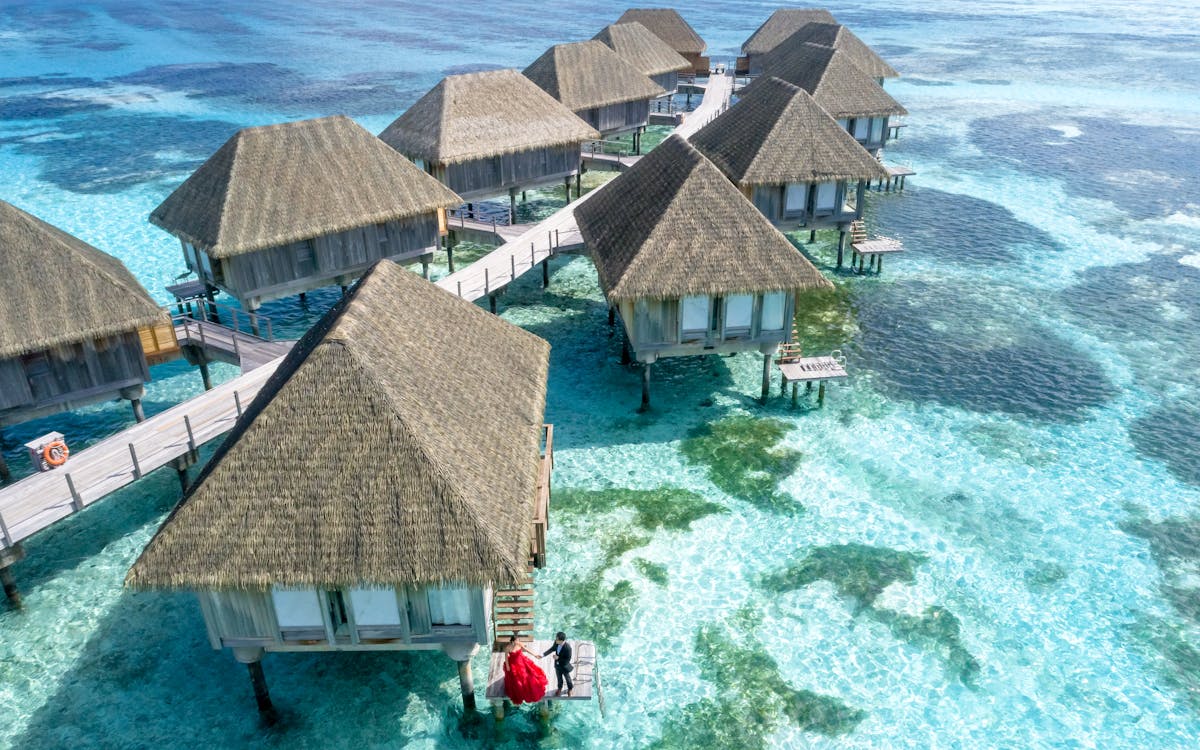
A Mozambique dhow safari from Vilanculos explores the Bazaruto Archipelago by traditional sailboat, combining snorkeling, sandbanks, beaches and marine wildlife. The best conditions are generally April to November, while humpback whales are most likely from August to October. Book a responsible operator that includes park fees, provides safety equipment and supports local crews.
Mozambique Dhow Safari Vilanculos: Bazaruto Archipelago Sailing
A Mozambique dhow safari Vilanculos is more than a boat trip — it is a gentle passage through a living coastline, where traditional sails meet turquoise lagoons and marine life thrives beneath coral gardens. From the soft creak of teak and rope to the quiet ceremonies of sunset over Benguerra, a dhow safari is an invitation to slow travel that honors place, people and the sea.
Why choose a mozambique dhow safari vilanculos?
Dhow sailing in the Bazaruto Archipelago is rooted in centuries of Indian Ocean exchange. These slender, often hand-built vessels, once used for trade and inter-island travel, are perfect for exploring shallow sandbanks, sheltered bays and reefs where larger boats cannot go. Choosing a mozambique dhow safari vilanculos brings you close to the marine biodiversity the region is famed for — and to coastal communities whose daily rhythms have long been shaped by the tide.
- Intimate access: dhows are small and shallow-draft, ideal for exploring remote channels and snorkeling points.
- Cultural continuity: many dhow operators are local families with deep knowledge of the archipelago.
- Low-impact travel: sail power and small groups reduce both noise and fuel use.
If you want a broader orientation to the Bazaruto islands before you go, this guide complements the area overview in the Mozambique Bazaruto Archipelago Guide: Islands, Diving & Dhows.
"A dhow ride is a conversation with the sea — you listen more than you command." — local skipper proverb
What to expect on your mozambique dhow safari vilanculos
A typical dhow safari out of Vilanculos ranges from a half-day sunset sail to multi-day island hops through the Bazaruto Marine National Park. Operators vary in style: some run traditional open dhows with canvas awnings; others offer upgraded cabins and gourmet picnics. Expect a slow itinerary that prioritizes wildlife viewing, snorkeling and beach time.
Typical highlights
- Snorkeling at reef gardens teeming with parrotfish, angelfish and soft corals.
- Sandbanks at low tide — perfect for walking and photography.
- Sightings of dolphins, humpback whales (seasonal) and nesting sea turtles.
- Simple seafood lunches on a remote beach or on-board.
Operators to consider include local options such as Bazaruto Archipelago Dhow Sailing & Snorkeling Day Trip, Sailaway Dhow Safaris and the popular Sunset Dhow Safari Vilanculos. Choosing an operator with transparent pricing, trained guides and local employment practices helps ensure your visit benefits the community.
Wildlife and marine highlights
The Bazaruto Archipelago is a hotspot for marine conservation. Expect to encounter:
- Coral reefs with abundant reef fish and nudibranchs.
- Green and loggerhead sea turtles nesting on quiet beaches.
- Dugongs in seagrass beds (rare but possible in protected areas).
- Seasonal whales and spinner dolphins on offshore currents.
To learn more about the conservation efforts protecting these ecosystems, see Mozambique Marine Conservation: Protecting Indian Ocean Reefs.
Best time to go and practical logistics for mozambique dhow safari vilanculos
Timing a dhow safari matters. Weather, tide and marine seasons determine the best experience.
Seasons and weather
- April to November (dry season): calm seas, lower humidity, ideal for sailing and snorkeling.
- December to March (wet season): hot, with occasional heavy rain; visibility can be lower and some operators scale back.
- Whale season: August–October tends to bring humpbacks closer to Mozambique’s coast.
Tides are important for sandbank visits and some shallow reefs — local skippers plan accordingly.
Getting to Vilanculos
Vilanculos is the gateway town for the Bazaruto Archipelago. Options:
- Fly: regular domestic flights connect Maputo and Vilanculos, with smaller charters from regional hubs.
- Road: a long but scenic drive from Inhambane; check road conditions in advance.
From Vilanculos town the dhow departure points are a short drive to the marina and launch beaches. Many lodges and operators include transfers.
Permits and park fees
Bazaruto Marine National Park requires entry fees; operators typically handle permits as part of your booking. Confirm what's included to avoid surprises.
Responsible and ethical dhow safaris
Travel in the archipelago should benefit local communities and protect fragile marine environments. Choose operators and lodges that commit to sustainable practice.
- Support local crews: book trips run by local skippers and families rather than distant companies.
- Respect wildlife: keep distance from nesting turtles, do not feed or chase marine mammals.
- Avoid single-use plastics and pack out waste.
- Buy locally made crafts and services so tourism dollars remain in the community.
Read more on community-focused approaches in Mozambique Community Based Tourism: Local Stays & Culture and about sustainable lodging in Mozambique Sustainable Tourism: Eco-Lodges & Community Impact. Many eco-lodges and camps on the islands and mainland combine conservation with local employment; consider stays at certified eco properties to extend your positive impact.
Sample 3-day mozambique dhow safari vilanculos itinerary
Day 1: Arrival in Vilanculos
- Morning: arrive and settle into your lodge.
- Afternoon: short harbor sail to watch the sunset and learn basic dhow safety. Book a sunset trip with Sunset Dhow Safari Vilanculos.
Day 2: Full-day Bazaruto island hop
- Snorkel morning at a shallow reef, picnic on a sandbank at low tide.
- Visit a fishing village on Benguerra to meet local artisans and learn about coastal livelihoods.
- Evening: relaxed beach barbecue and star viewing.
Day 3: Optional early-morning snorkel or birding
- Visit a seagrass meadow known for dugongs (spotting not guaranteed).
- Afternoon: return to Vilanculos. For a guided tour from a reputable operator try Bazaruto Archipelago Dhow Sailing & Snorkeling Day Trip.
For multi-day safaris, some itineraries combine dhow sleeping on board with stops at islands and eco-lodges such as Kisawa Sanctuary (Benguerra Island) when you want a night ashore in style.
Practical Tips for a smooth mozambique dhow safari vilanculos
- Book early for high season (July–October) and confirm inclusions: park fees, snorkeling gear, picnic meals and transfers.
- Pack: reef-safe sunscreen, light long-sleeve shirts, wide-brim hat, quick-dry clothing, reef shoes, and a waterproof bag for electronics.
- Health: bring seasickness remedies if you are sensitive; ensure your tetanus and routine vaccines are up to date. Check malaria advice for the region and take precautions if recommended.
- Money: carry enough meticais or US dollars for tips, crafts and small purchases; card facilities are limited outside town.
- Language: Portuguese is the national language; many guides speak English and local languages (e.g., Shangaan/Changana). Use polite greetings and show respect for local customs.
- Safety: always listen to crew briefing, wear a life jacket when instructed and avoid swimming alone in open water.
- Ethical reminders: avoid touching corals, do not take shells from nesting beaches and ask permission before photographing people.
Operators with strong local ties include small family-run dhows and community enterprises — ask about crew wages and community contributions before booking. For further reading on responsible approaches, see Ethical Tourism Mozambique: Complete Responsible Travel Guide.
Choosing the right dhow operator
Ask potential operators:
- Are the crew local, and do they receive fair wages?
- Are park permits and conservation fees included in the price?
- What is the group size — smaller is usually better for wildlife viewing and less impact?
- What safety equipment and first aid training do crew have?
Operators such as Sailaway Dhow Safaris and community-focused day trips like Bazaruto Archipelago Dhow Sailing & Snorkeling Day Trip are good starting points; always read recent reviews and ask for references.
Cultural respect and community benefit
- Learn a few words of Portuguese or Shangaan — greetings are warmly received.
- Shop at community markets and buy from women’s cooperatives when possible.
- When invited into a village, follow the lead of your local host; ask before photographing and accept local norms on dress and behavior.
These gestures strengthen relations and ensure tourism supports livelihoods rather than disturbing daily life. For broader context on local arts and crafts, see Mozambique Craft Markets & Souvenirs: What to Buy Nationwide.
FAQ — Mozambique Dhow Safari Vilanculos
1. Is a dhow safari safe for families with children?
Yes. Many dhows operate family-friendly day trips with life jackets and shaded areas. Confirm age limits with your operator and ensure children are supervised near water.
2. Do I need scuba certification to enjoy a dhow safari?
No. Snorkeling from a dhow gives excellent access to reefs. Certified diving trips are available for deeper sites — book a combined trip with local dive centres like Tofo Scuba Dive Centre if you want a dive.
3. How much should I tip the crew?
Tipping is discretionary but appreciated. For day trips, 10–15% or a small cash tip per person is common; for multi-day trips, tip more to reflect the crew’s service. If unsure, ask your lodge for local guidance.
4. Can we see turtles and dugongs on every trip?
Wildlife sightings are never guaranteed. Turtles and fish are common; dugongs are rarer. Respect any guidance to keep distance from sensitive habitats.
5. How do dhow safaris contribute to conservation?
When fees are channeled through the marine park and operators support local employment, tourism funds patrols and community projects. Ask your operator how proceeds are shared and if they support local conservation initiatives — further reading at Mozambique Marine Conservation: Protecting Indian Ocean Reefs.
Final thoughts — sail with respect on a mozambique dhow safari vilanculos
A mozambique dhow safari vilanculos is an elegant way to experience the Bazaruto Archipelago: intimate, unhurried and deeply connected to coastal life. Choose operators who prioritize safety, fair pay and conservation; travel in a spirit of curiosity and respect for local people and fragile ecosystems. With the right planning, your dhow voyage will leave you with vivid memories and a positive legacy for the islands you visited.
For related planning, consider combining dhow days with coastal eco-stays or responsible adventures outlined in Mozambique Eco Lodge Guide: Sustainable Stays Nationwide and balance your time between sea-based excursions and community-focused experiences in the region.
Whether you take a sunset sail from Vilanculos, a full-day snorkel trip, or a multi-day island hop, a Mozambique dhow safari Vilanculos rewards patience, respect and a willingness to listen to the sea.
Recommended local listings
- Sunset Dhow Safari Vilanculos — ideal for short evening sails and island sundowners.
- Sailaway Dhow Safaris — family-run trips with experienced local skippers.
- Bazaruto Archipelago Dhow Sailing & Snorkeling Day Trip — a popular day tour focusing on reefs and sandbanks.
Safe travels and sail thoughtfully.
Quick Comparison
| Feature | Option A | Option B |
|---|---|---|
| Período | Abril a novembro: estação seca, mares geralmente mais calmos e melhor visibilidade para velejar e fazer snorkel. | Dezembro a março: estação chuvosa, mais quente, com possibilidade de chuvas fortes e visibilidade reduzida. |
| Observação de baleias | Agosto a outubro: maior probabilidade de avistar baleias-jubarte perto da costa. | Fora de agosto a outubro: avistamentos são menos associados à temporada indicada no artigo. |
| Tipo de experiência | Meio dia ou pôr do sol: passeio curto, observação do entardecer e navegação costeira. | Vários dias: saltos entre ilhas, snorkeling, praias, aldeias, pernoite a bordo ou hospedagem em eco-lodges. |
| Acesso ao recife | Snorkeling: não exige certificação e é adequado para explorar recifes rasos. | Mergulho autônomo: exige certificação apropriada e normalmente é reservado separadamente com um centro de mergulho. |
| Impacto e operação | Dhows pequenos e movidos a vela: menor uso de combustível, acesso a águas rasas e grupos mais íntimos. | Embarcações maiores ou operadores menos transparentes: podem oferecer mais capacidade, mas exigem verificação adicional de impacto, segurança e benefícios comunitários. |
Key Facts
A estação seca, de abril a novembro, geralmente oferece mares mais calmos, menor umidade e melhores condições para velejar e praticar snorkel no Arquipélago de Bazaruto.
TimingA temporada de baleias-jubarte na costa de Moçambique tende a ocorrer entre agosto e outubro.
WildlifeVilanculos é a principal cidade de acesso ao Arquipélago de Bazaruto, com voos domésticos regulares conectando-a a Maputo.
LogisticsAs taxas de entrada no Parque Nacional Marinho de Bazaruto são normalmente administradas pela operadora como parte da reserva, mas devem ser confirmadas antecipadamente.
CostPasseios de dhow podem incluir snorkeling em recifes, caminhadas em bancos de areia na maré baixa, observação de golfinhos e refeições simples de frutos do mar.
ActivitiesA observação de dugongos é possível em pradarias marinhas protegidas, mas não é garantida e é considerada rara.
WildlifePara passeios de um dia, uma gorjeta de 10% a 15% ou uma pequena quantia em dinheiro por pessoa é descrita como prática comum, embora seja discricionária.
CultureOs viajantes devem evitar tocar nos corais, retirar conchas de praias de nidificação ou fotografar pessoas sem pedir permissão.
Conservation