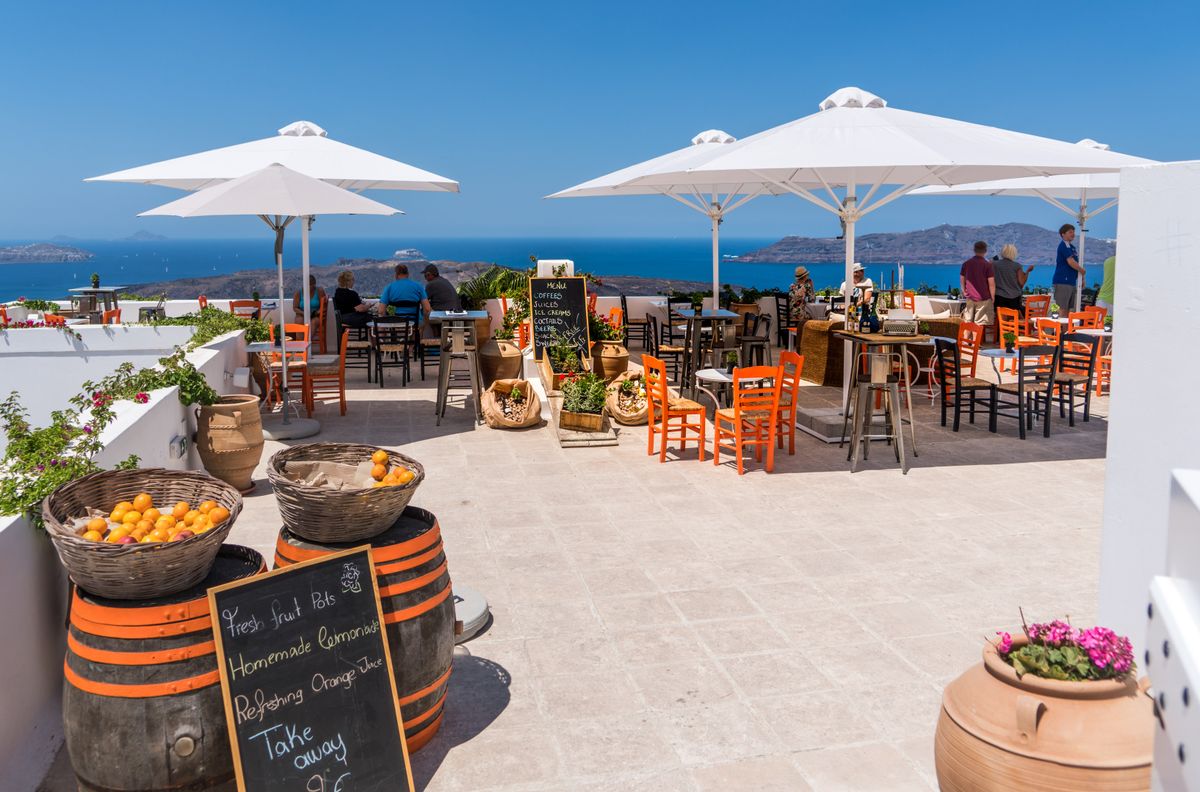
Mozambique is an emerging golf destination in 2026, best suited to travelers combining golf with beaches, diving, sailing, culture, and nature rather than playing a dense circuit of established courses. Inhambane Province is the strongest base, especially Vilanculos, Tofo, and Inhambane city. Verify course openings, tee times, equipment, transport, and facilities before booking.
Mozambique Golf Tourism: New Courses and Sport Travel 2026
Mozambique golf tourism is entering an exciting new phase. In 2026, travelers can combine fairway time with Indian Ocean beaches, marine adventures, cultural encounters, and thoughtful community-based tourism—especially along the Inhambane coast. Although Mozambique is not yet a traditional golf destination on the scale of South Africa or Mauritius, its appeal is distinctive: warm weather, uncrowded coastal settings, relaxed hospitality, and the opportunity to build a sport-focused itinerary around a wider Mozambican journey.
For golfers, the country’s future lies not only in new or improved courses, but also in destination design. A round of golf can be paired with dhow sailing from Vilanculos, diving in Tofo, conservation visits, birdwatching, or time in a locally owned lodge. The result is a more meaningful kind of sport travel—one that supports businesses and communities beyond the course itself.
Planning note: Course availability, construction timelines, transport schedules, and resort facilities can change. Confirm tee times, access conditions, equipment rental, and opening dates directly before booking.
Mozambique Golf Tourism in 2026: What Is Changing?
Mozambique’s golf potential is closely connected to its coastal tourism growth. Resorts and mixed-use developments are increasingly exploring leisure facilities that appeal to international visitors, regional travelers, residents, and corporate groups. In 2026, the most important trend is likely to be the gradual development of integrated sport-and-leisure destinations, rather than isolated golf holidays.
This may include:
- Resort golf facilities near beach destinations
- Practice areas and short-course concepts for beginners
- Improvements to existing fairways, greens, and clubhouse services
- Golf packages combined with diving, sailing, fishing, and wellness
- Junior, community, and development programmes connected to sport
- More reliable digital booking and transport coordination
The strongest opportunities are along the southern and central coast, where international airports, established tourism infrastructure, and a growing accommodation network make multi-activity travel more practical. Inhambane Province is particularly well positioned because it combines Vilanculos, the Bazaruto Archipelago, Tofo, Inhambane city, and a long coastline of beach lodges.
Golfers should approach the market with realistic expectations. Mozambique’s attraction is not a dense network of championship courses within a short driving distance. Instead, it is the possibility of adding golf to a broader Indian Ocean itinerary while enjoying a slower, more scenic travel rhythm.
Why Inhambane Is the Leading Province for Golf Sport Travel
Inhambane Province offers the clearest foundation for Mozambique golf tourism in 2026. The province is already one of the country’s most recognized leisure regions, with regular visitor flows, established resorts, domestic tourism, and a wide range of water-based activities.
Vilanculos and the Bazaruto gateway
Vilanculos is the main mainland gateway to the Bazaruto Archipelago. It has an airport, hotels, guesthouses, restaurants, marine operators, and transfer services. While the town is best known for sailing, snorkeling, fishing, and island excursions, it is also a logical base for future golf-oriented resort development.
A golfer staying in Vilanculos can create a flexible itinerary that includes morning practice or a scheduled round, followed by an afternoon on the water. The Vilanculos Accommodation Guide provides useful background on choosing a base in this part of Inhambane.
For a non-golf day, consider a Sunset Dhow Safari in Vilanculos. Traditional sailing excursions offer a memorable way to experience the coastline, provided operators follow safe and responsible marine practices.
Tofo and the southern coast
Tofo is famous for diving, whale sharks, broad beaches, and a lively traveler community. It is not primarily a golf destination, but it works exceptionally well as the adventure component of a sport holiday. A golfer could spend part of a trip near a resort or developing leisure hub and then continue to Tofo for diving, snorkeling, or beach time.
The Tofo Scuba Dive Centre is one option for travelers who want to add an underwater activity. You can also read the practical guide to Mozambique scuba diving certification before combining golf with a PADI course or guided dive experience.
Inhambane city and local connections
Inhambane city provides historical depth and a stronger connection to everyday provincial life. Its old streets, markets, churches, waterfront, and surrounding communities invite travelers to look beyond resort landscapes. A responsible golf itinerary should include time in the wider province rather than concentrating spending entirely inside a luxury property.
Travelers can support local restaurants, guides, craftspeople, transport providers, and cultural initiatives. Basic courtesy matters: ask before photographing people, dress appropriately when visiting neighborhoods or religious sites, and learn a few Portuguese phrases such as bom dia, obrigado, and por favor.
What New Golf Courses Could Mean for Mozambique
New golf facilities can bring employment, hospitality training, landscaping work, event income, and additional demand for local transport and accommodation. They may also help diversify coastal tourism beyond a purely seasonal beach model.
However, a golf project should be judged by more than its visual appeal. Large landscapes, intensive water use, imported turf, chemical inputs, and private access can create environmental and social pressures if planning is weak. The most valuable projects for Mozambique will be those that are transparent, locally engaged, and designed for the climate.
Features of a responsible golf development
Look for projects that demonstrate:
- Efficient water management, including treated or recycled water where appropriate
- Native or climate-suitable landscaping rather than extensive ornamental lawns
- Protection of dunes, wetlands, mangroves, and coastal vegetation
- Clear community consultation and local hiring
- Training and promotion pathways for Mozambican staff
- Accessible pricing or public programmes, not only private membership
- Waste reduction and responsible use of fertilizers and pesticides
- Transparent land and environmental approvals
Golf travelers can encourage better standards by asking practical questions before booking. Who manages the course? Where does irrigation water come from? Are local residents employed and trained? Does the resort contribute to schools, conservation, or community businesses? Responsible purchasing creates demand for responsible operations.
Building a Mozambique Golf Tourism Itinerary
A good golf itinerary should allow for travel time, weather, and the slower logistics of coastal Mozambique. Avoid trying to fit too many destinations into a short trip. A seven- to ten-night journey could focus on one province and combine golf with marine, cultural, and nature activities.
Sample seven-night Inhambane itinerary
Nights 1–2: Vilanculos
Arrive, rest, confirm golf arrangements, and explore the town. Add a sunset dhow sail or a short beach excursion. The Bazaruto Archipelago sailing and snorkeling day trip is suitable for travelers who want a classic coastal experience, subject to sea conditions.
Nights 3–4: Golf and resort time
Schedule your main round during the cooler morning hours. Keep the afternoon free for recovery, swimming, or a guided walk. If the course is under development or unavailable, substitute a lesson, practice session, coastal cycling outing, or nature activity rather than assuming an alternative course is nearby.
Nights 5–6: Tofo
Transfer toward Tofo and enjoy diving, snorkeling, or a marine wildlife excursion. Whale shark encounters must be conducted with strict respect for animal welfare and operator guidelines. Avoid touching wildlife, blocking animals, or encouraging boats to crowd feeding areas.
Night 7: Inhambane or return to Vilanculos
Spend time in Inhambane city or return to your departure point, allowing a generous buffer for road transfers and flight changes.
Longer sport-and-nature journeys
For a two-week trip, consider adding a conservation or birdwatching component elsewhere in Mozambique. Travelers interested in low-impact planning can consult the Mozambique Sustainable Travel Guide and the guide to community-owned lodges.
A golf journey can also include fishing, sailing, or island stays. In each case, choose operators that employ local crews, explain safety procedures, and contribute fairly to the communities where they work.
Golf Equipment, Weather, and Course Etiquette
Mozambique’s tropical and subtropical climate affects both comfort and course conditions. Coastal heat can be intense, especially during the warmer months. Early tee times are usually more comfortable and may reduce exposure to afternoon storms.
What to pack
Bring:
- Lightweight, breathable golf clothing
- A hat with reliable sun protection
- High-SPF, reef-conscious sunscreen
- Insect repellent
- Reusable water bottle
- Glove, balls, tees, and other small essentials
- Waterproof bag or covers for sudden rain
- Comfortable shoes suitable for sandy or damp paths
- A compact first-aid kit and personal medication
Do not assume that rental clubs, shoes, carts, caddies, or professional instruction will be available. Ask in advance about equipment sizes, left-handed clubs, storage, changing facilities, and payment methods.
Respect local course culture
Golf etiquette varies by facility. Follow the club’s dress code, pace-of-play guidance, and caddie policies. If caddies or local assistants are available, agree on fees before beginning and pay promptly. Treat all staff with courtesy; service work is skilled employment, not an entitlement to personal deference.
Avoid loud behavior, littering, or entering restricted areas for photographs. If a course shares space with local paths, farms, or community land, follow instructions carefully and never assume that access is permitted simply because a route appears open.
Where to Stay: Resorts, Lodges, and Community Benefit
The best accommodation choice depends on whether golf is the primary purpose of the trip or one element of a wider holiday. Resorts may offer easier transfers, leisure facilities, and package coordination. Smaller lodges can provide closer contact with local guides, restaurants, and activities.
In Inhambane, consider environmentally conscious options such as Dunes de Dovela Eco-Lodge, where the forest and community setting can complement a coastal itinerary. Travelers seeking a high-end island extension may also investigate Kisawa Sanctuary on Benguerra Island, while remembering that island logistics and conservation rules require advance planning.
When selecting accommodation, ask:
- Are staff hired locally and paid fairly?
- Does the property buy food, crafts, or services from nearby communities?
- How does it manage water, energy, waste, and wastewater?
- Does it respect coastal access and local land use?
- Are conservation claims specific and verifiable?
Read the Dunes de Dovela community stay guide for more ideas about combining nature, local benefit, and thoughtful accommodation on the Inhambane coast.
Practical Tips for Mozambique Golf Tourism
Book early, but verify everything
For 2026 travel, confirm course openings, tee-time systems, maintenance closures, resort construction, airport transfers, and cancellation policies. Ask for written confirmation rather than relying on an outdated social media post.
Plan transport conservatively
Distances can be longer than they appear on a map. Roads, weather, ferry schedules, and domestic flights may affect plans. Build in extra time before an international departure and avoid scheduling a critical tee time immediately after a long transfer.
For self-drive travelers, study the Mozambique 4x4 rental guide and confirm insurance, fuel availability, spare tires, border requirements, and emergency contacts.
Carry flexible payment options
Cards may work at larger resorts, but connectivity and payment infrastructure vary. Carry modest emergency cash in appropriate currency, keep valuables discreet, and ask accommodation providers about secure storage. The Mozambique SIM card and Wi-Fi guide can help with connectivity planning.
Protect yourself from the sun and insects
Hydrate regularly, use sun protection, and consider long sleeves during peak insect activity. Consult a qualified travel-health professional about vaccinations, malaria prevention, and personal medical needs well before departure.
Spend locally and travel lightly
Use local guides, eat at independent restaurants, buy directly from craftspeople, and avoid bargaining aggressively over small amounts. Refuse unnecessary single-use plastics and take care not to damage dunes, coral, seagrass, or mangroves.
A responsible golf trip is measured not only by the quality of the round, but also by the quality of the relationships and benefits it leaves behind.
FAQ: Mozambique Golf Tourism in 2026
Is Mozambique a good golf destination in 2026?
Yes, for travelers who want to combine golf with beaches, marine activities, culture, and nature. It is best approached as an emerging, multi-activity destination rather than a country with a dense established golf circuit.
Where should golfers go in Mozambique?
Inhambane Province is the strongest starting point because Vilanculos, Tofo, Inhambane city, and the Bazaruto gateway offer the broadest tourism infrastructure. Maputo and other regions may also suit travelers depending on confirmed course availability and their wider itinerary.
Are new golf courses opening in Inhambane?
Golf development plans and resort facilities can change, so travelers should verify current construction, opening, and access information directly with operators. Do not assume that a proposed course is open or accepting independent visitors.
Can I rent golf clubs in Mozambique?
Rental availability depends on the specific facility. Contact the course or resort in advance with your club requirements, including left-handed equipment, club length, shoes, and storage. Bringing essential personal equipment is the safest option.
How can my golf trip benefit local communities?
Choose locally engaged accommodation and operators, hire local guides, respect community rules, buy local products, and support businesses beyond international resorts. Ask tourism providers how they create jobs, fund training, manage resources, and contribute to conservation.
Conclusion: The Future of Mozambique Golf Tourism
The future of Mozambique golf tourism is not simply about building more fairways. It is about creating well-planned sport travel that connects golf with coastal culture, marine conservation, local enterprise, and the remarkable landscapes of Inhambane. In 2026, travelers who verify course information, plan realistically, spend thoughtfully, and respect Mozambican communities can enjoy a distinctive golf holiday with benefits that extend far beyond the scorecard.
Inhambane’s beaches, islands, historic towns, and welcoming tourism businesses provide an excellent foundation. As new courses and leisure facilities emerge, the most successful destinations will be those that protect the coast, invest in people, and invite visitors to experience Mozambique as a living country—not merely as a backdrop for sport.
Quick Comparison
| Feature | Option A | Option B |
|---|---|---|
| Primary travel role | Vilanculos: golf base and gateway to the Bazaruto Archipelago | Tofo: adventure extension focused on diving, snorkeling, beaches, and marine wildlife |
| Tourism infrastructure | Airport, hotels, guesthouses, restaurants, marine operators, and transfer services | Established traveler community and marine-tourism services, but not primarily a golf destination |
| Best complementary activities | Dhow sailing, snorkeling, fishing, and island excursions | Scuba diving, snorkeling, whale-shark experiences, and beach time |
| Cultural experience | Coastal resort setting with access to local businesses and island excursions | Lively traveler environment plus access to the wider southern Inhambane coast |
| Golf planning considerations | Logical location for future golf-oriented resort development; verify facilities and tee times | Usually better as a non-golf adventure stop within a broader sport itinerary |
Key Facts
Inhambane Province is identified as Mozambique’s strongest base for golf travel in 2026 because it combines Vilanculos, Tofo, Inhambane city, the Bazaruto gateway, established tourism infrastructure, and marine activities.
DestinationA seven- to ten-night trip can focus on Inhambane Province and combine golf with marine, cultural, and nature activities.
PlanningThe sample itinerary recommends spending seven nights across Vilanculos, a golf or resort segment, Tofo, and Inhambane city or the return departure point.
ItineraryGolf travelers should not assume that rental clubs, golf shoes, carts, caddies, or professional instruction will be available in Mozambique.
LogisticsEarly-morning tee times are generally more comfortable in Mozambique’s coastal heat and may reduce exposure to afternoon storms.
WeatherTravelers should confirm course openings, tee-time systems, maintenance closures, resort construction, airport transfers, and cancellation policies before booking for 2026.
BookingResponsible golf developments should address water efficiency, coastal habitat protection, local hiring, staff training, waste reduction, and transparent land and environmental approvals.
ConservationTravelers visiting local communities or religious sites should ask before photographing people, dress appropriately, and learn basic Portuguese phrases such as “bom dia,” “obrigado,” and “por favor.”
Culture