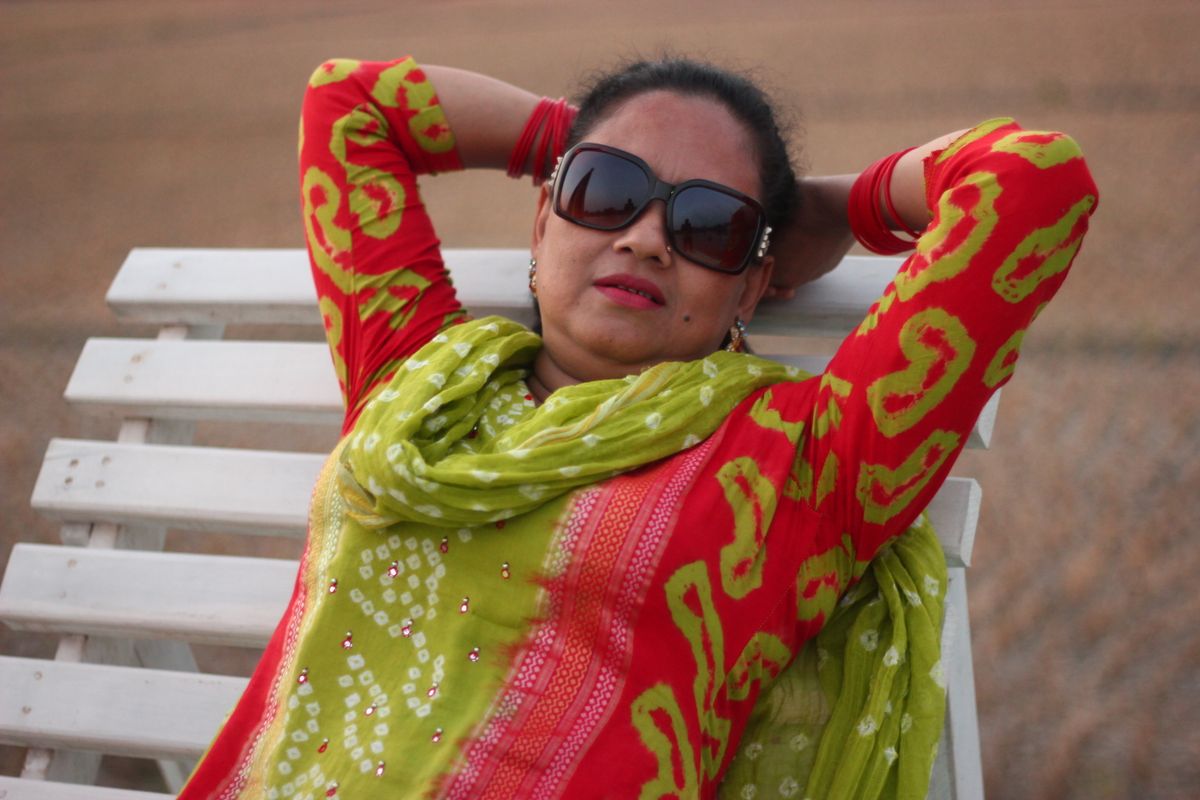
A Mozambique community homestay lets travelers stay with local families or cooperatives, share meals and daily activities, and support household or community funds directly. Accommodation is usually simple, with shared facilities, mosquito nets, limited electricity, and locally prepared food. Book through vetted operators, confirm inclusions, follow cultural etiquette, and prioritize transparent revenue-sharing.
Mozambique Community Homestay: Authentic Local Stays Guide
A mozambique community homestay is more than a bed for the night — it is an invitation into daily life, language, and local practice. From island villages on the Quirimbas and Bazaruto archipelagos to inland communities near Gorongosa, community homestays connect travelers with families and cooperative projects that share food, stories, and income. This guide explains how to find, book, and respectfully enjoy homestays across Mozambique while ensuring your visit benefits hosts and their wider communities.
Why choose a mozambique community homestay?
Community homestays offer experiences that hotels cannot: real conversations, home-cooked meals, hands-on learning, and direct economic benefit to local households. They are excellent for travelers who value authentic cultural exchange, sustainable spending, and ethical tourism.
Benefits include:
- Direct economic support: payments usually go to families or community funds rather than distant corporations.
- Cultural exchange: learn local languages, crafts, fishing or farming techniques, and culinary traditions.
- Low environmental footprint: many homestays use local materials, simple energy systems, and sustainable food sourcing.
- Meaningful memories: relationships formed in homestays can last, moving beyond tourism to friendship.
When you choose a mozambique community homestay, you support livelihoods while experiencing the country’s diversity—from Maputo urban neighborhoods to the coral coasts of Inhambane and the historic streets of Ilha de Moçambique.
“Staying with a family taught me more in three days than a week in a guidebook.”
Finding a mozambique community homestay: Where to look
There are reputable community options across the country. Start by researching organizations and platforms that vet hosts and ensure fair distribution of revenue. Here are practical entry points:
Established community projects and listings
- Coastal and island community stays — check listings tied to cultural experiences such as Ilha de Moçambique UNESCO Heritage Walking Tours or lodges that partner with local villages. Ilha’s homestays are often organized through community cooperatives that combine accommodation with guided heritage walks.
- Island lodges and community partnerships — eco-lodges sometimes arrange homestay extensions or village visits; e.g., connections with establishments like Ibo Island Lodge can lead to meaningful local stays.
- Community-linked eco-lodges — properties such as Dunes de Dovela frequently work with nearby communities; see local listings like Dunes de Dovela Eco-Lodge.
Tour operators and community tourism networks
Tour operators with a transparent ethical policy can arrange homestays and manage logistics. Look for operators that detail how fees are shared with hosts and who provide clear cancellation and safety policies.
For broader context on community-based tourism and sustainability in Mozambique, read resources such as Mozambique Community Based Tourism: Local Stays & Culture and Mozambique Sustainable Tourism: Eco-Lodges & Community Impact.
What to expect in a mozambique community homestay
Expect simple comforts rather than boutique amenities. Hosts often provide a private room or a dedicated sleeping area, shared sanitation, and home-cooked meals.
Typical features:
- Basic bedding and mosquito nets
- Shared bathing facilities (sometimes with bucket showers)
- Meals according to local schedules — breakfast and a main evening meal are common
- Opportunities to join daily activities: fishing, shellfish gathering, cooking, farming, or craft-making
Respect that comfort levels vary by region—island villages and rural inland areas may have limited electricity (solar or generator hours), intermittent water supply, and seasonal insect presence.
How community homestays benefit local people
A properly structured homestay channels income to families and community services. Responsible homestay models include:
- Per-night payments to households, with a portion invested in a community fund
- Cooperative-run programs where profits support education, healthcare, or infrastructure
- Skill-sharing exchanges where hosts are trained in hospitality, language, or bookkeeping
Strong models combine visitor fees with capacity building so that communities control tourism development and protect cultural integrity. For responsible travel guidance, consult Ethical Tourism Mozambique: Complete Responsible Travel Guide.
Preparing for your homestay: Practical considerations
Health, safety and logistics
- Vaccinations and medications: check up-to-date health recommendations before travel, including malaria prophylaxis in some regions.
- Water and food safety: drink bottled or reliably treated water; most homestay meals are freshly prepared—ask about ingredients if you have allergies.
- Travel insurance: choose a policy covering evacuation and local healthcare.
Language and cultural basics
- Portuguese is the national language; many coastal communities speak local Bantu and Swahili-influenced dialects. Learning a few phrases goes a long way.
- Dress modestly in inland and conservative coastal communities.
- Ask permission before photographing people, especially in private or sacred settings.
Booking and payments: Ethical practices
Book through trusted operators, community cooperatives, or vetted platforms that transparently state how revenue is used. Key payment tips:
- Prefer direct payments to hosts or community funds rather than large intermediaries that take high commissions.
- Confirm what your payment includes: meals, activities, transport pickups, and donations.
- Negotiate respectfully but avoid haggling over homestay rates if they are clearly set to support livelihoods.
Responsible behavior during your stay
Being a respectful guest means both small courtesies and larger ethical choices.
- Ask before participating in work or family tasks—offer help but follow instruction.
- Respect gendered spaces and routines; in many households cooking and certain chores are managed by women.
- Minimize plastic waste and follow recycling/composting instructions.
- Avoid giving small gifts of cash directly to children; instead contribute to household payments or community funds to prevent dependency.
Hospitality in Mozambique is generous and open; return that dignity with curiosity, patience, and care.
Connecting homestays with wider experiences
Homestays are a gateway to local conservation and cultural activities. Pair your homestay with responsible experiences such as:
- Conservation programs (e.g., Gorongosa Restoration & Community Conservation Programme) to understand community-conservation partnerships.
- Walking heritage tours in historic centers like Ilha de Moçambique (Ilha de Moçambique UNESCO Heritage Walking Tours).
- Marine and coastal activities coordinated by locals: local dhow trips, responsible snorkel trips, and fishing with consent.
For coastal conservation and marine-focused stays, resources like Mozambique Marine Conservation: Protecting Indian Ocean Reefs and regional eco-lodge guides such as Nuarro Eco Lodge Mozambique: Solar-Powered Diving Paradise highlight sustainable marine tourism partners.
Practical Tips
- Carry small denomination metical (MZN) and some cash in widely accepted currencies; remote homestays may not accept cards.
- Bring a reliable insect repellent and a travel-size mosquito net if you prefer your own.
- Pack a basic gift for hosts that reflects your home culture—useful household items, school supplies, or seeds—avoid luxury goods that can create imbalance.
- Confirm sleeping arrangements, bathroom access, and meal times before arrival.
- Respect meal etiquette: accept food graciously, ask if you can help, and decline politely if you have dietary restrictions.
- Learn basic Portuguese phrases: “obrigado/a” (thank you), “bom dia” (good morning), and “por favor” (please) are appreciated.
- If you plan to photograph, ask explicitly for permission and consider offering a printed photo after your trip as a thank-you.
Examples of community-linked listings and experiences
For travelers planning a homestay-centered itinerary, consider combining your stay with local experiences offered by listings that partner with communities:
- Ilha de Moçambique UNESCO Heritage Walking Tours — combine history with homestay hospitality.
- Ibo Island Lodge — a base that often works with local island communities for cultural visits and homestay options.
- Dunes de Dovela Eco-Lodge — coastal eco-lodge with community programs and nearby village homestays.
Additionally, pair community stays with conservation visits such as Gorongosa Restoration & Community Conservation Programme to see how tourism and conservation interact.
Common challenges and how communities manage them
Challenges include seasonality, infrastructure limits, cultural misunderstandings, and uneven benefit distribution. Responsible programs address these through:
- Transparent profit-sharing mechanisms
- Training in hospitality and basic language skills
- Rotational hosting systems to spread income
- Clear visitor guidelines developed with community input
Before booking, ask hosts or operators about these practices to ensure your stay empowers rather than disrupts local life.
Case study: a respectful homestay visit (example)
A visitor lands in Nampula and arranges a homestay through a community cooperative. They arrive in the late afternoon, share a cassava- and seafood-based meal, help with fishing-net mending under guidance, and spend the next morning on a heritage walk. The family receives the agreed homestay fee; a portion goes to a school fund and the visitor is invited to visit the classroom. Both sides leave with new skills and appreciation. This is the ideal balance of cultural exchange and community benefit.
FAQ
Q: Is a mozambique community homestay safe for solo travelers?
A: Yes — many solo travelers stay safely in community homestays. Choose vetted hosts, communicate arrival plans, and use operators or community cooperatives that provide clear contact information and emergency procedures.
Q: How much should I pay for a homestay?
A: Rates vary by region and included services. Expect anywhere from modest fees in rural inland areas to higher community-run island homestays that include meals and activities. Ask for an itemized breakdown so you know how funds support hosts and community projects.
Q: What should I bring as a gift for my host family?
A: Practical items (school supplies, seeds, rechargeable lamps) are often welcomed. Ask in advance if the community has preferences. Avoid giving expensive or inappropriate gifts that can create inequality.
Q: Are homestays suitable for families with children?
A: Many homestays are family-friendly and warmly receive children. Discuss sleeping arrangements, bathroom sharing, and activities ahead of time to ensure comfort for both your family and the host.
Q: Can I stay longer if I want to volunteer in the community?
A: Long stays and volunteering should be arranged carefully and ethically — prioritize community needs, respect working-hour expectations, and avoid unskilled volunteering that displaces local jobs. Work through established programs with clear roles and training.
Conclusion
A mozambique community homestay can transform travel into mutual exchange, enabling visitors to learn, listen, and contribute. By choosing vetted hosts, practicing cultural respect, and supporting transparent community benefits, your stay becomes a partnership that honors local dignity and livelihoods. For more on eco-conscious stays and community programs across Mozambique, explore resources like Mozambique Sustainable Tourism: Eco-Lodges & Community Impact and practical guides to responsible travel across the country.
Plan thoughtfully, travel ethically, and your homestay in Mozambique will be a meaningful chapter in both your journey and the lives of the hosts who welcome you.
Key Facts
Community homestays in Mozambique may provide a private room or dedicated sleeping area, shared sanitation, basic bedding, and mosquito nets.
LogisticsRemote homestays in Mozambique may have limited electricity, intermittent water supplies, and bucket showers.
LogisticsPortuguese is Mozambique’s national language, while coastal communities may also speak local Bantu and Swahili-influenced dialects.
CultureTravelers should ask permission before photographing people, particularly in private or sacred settings.
CultureSome Mozambique regions require travelers to consider malaria prophylaxis and other up-to-date health recommendations before departure.
SafetyHomestay fees may be divided between host households and community funds supporting services such as education, healthcare, or infrastructure.
Community benefitRemote homestays may not accept cards, so travelers should carry small-denomination metical and some cash in widely accepted currencies.
PaymentsResponsible homestay programs may use rotational hosting systems to distribute tourism income among participating households.
Responsible tourism