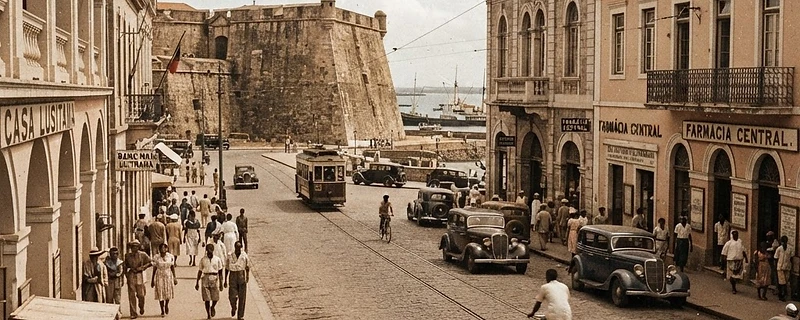
Explore Mozambique colonial history nationwide — forts, resistance, living heritage, and ethical travel tips. A respectful guide to sites, stories, and community-led experiences.
Mozambique Colonial History Guide: From Forts to Freedom
Mozambique colonial history is woven into the nation’s towns, coastlines, languages, and living cultures. This guide walks you through the major eras, essential sites across provinces, and the ethical ways to visit — centering respect, local benefit, and historical nuance. Whether you're a history lover, a responsible traveler, or simply curious, this article offers a nationwide perspective that honors Mozambique’s people and their stories.
mozambique colonial history: A Nationwide Overview
Mozambique’s colonial story began long before European forts and trade posts. Coastal Swahili and Indian Ocean networks connected the region to Arabia, India and East Africa for centuries. Portuguese arrival in the late 15th century set in motion 450 years of colonial influence, which shaped land tenure, commerce, religion, architecture, and resistance movements.
Key periods to keep in mind:
- Pre-colonial and Indian Ocean networks: local chiefdoms, Swahili trading towns, and dhow routes
- Portuguese colonial era (16th–20th centuries): mercantilism, forts, Christian missions, forced labor systems
- Early 20th-century economic changes: plantation agriculture, mining, and urban labour migration
- Liberation struggle (1964–1975): anti-colonial movements and armed resistance culminating in independence in 1975
- Post-independence era and civil war (1977–1992): rebuilding, social shifts, and renewed cultural affirmation
These layers make Mozambique a living archive: forts and churches sit beside Makonde carvings, colonial buildings share streets with post-independence murals, and traditional music celebrates survival and renewal.
Understanding history means listening. Prioritize local voices — elders, guides, and community historians — who carry memory beyond museum walls.
mozambique colonial history: Key Sites & Stories Across Provinces
Below are some of the most evocative places to encounter Mozambique colonial history. Each site carries complex narratives; visit with humility and a readiness to learn.
Ilha de Moçambique (Nampula)
Ilha de Moçambique is a UNESCO World Heritage site and one of the clearest places to read Portuguese colonial influence alongside Swahili and African heritage. Walk the narrow streets, visit the 16th-century Fort São Sebastião, and speak with families whose histories span centuries.
- Read a deep-dive about this special island: Ilha de Moçambique: A Complete Guide to the UNESCO Island.
- Consider staying in a family homestay to support local households: Ilha de Moçambique Family Homestay.
Maputo & Mafalala (Maputo City)
Maputo, the capital, shows colonial urban planning, grand buildings, and a vibrant cultural rebuttal to colonial legacies. The neighborhood of Mafalala — known for poets, music, and resistance — is a place to understand how communities transformed pain into art.
- Learn more about Mafalala’s cultural importance: Mafalala: Maputo's Neighborhood of Poets and Resistance.
- A walking tour with local guides is one of the best ways to engage responsibly with the city’s layered past: Maputo City Walking Tours.
Inhambane and the Dhow Tradition (Inhambane)
Inhambane’s coastal towns and dhow-building communities demonstrate centuries of maritime exchange and craft traditions that predate the Portuguese and continued despite colonial pressures.
- Discover the continuity of seafaring craft: Dhow Builders of Mozambique: A 2,000-Year-Old Craft.
- Pair history with conservation activities like mangrove projects that also benefit communities: Inhambane Mangrove Restoration & Kayak Experience.
Northern and Central Regions: Makonde, Ibo, and the Slave Trade Echoes
In the north, Makonde art and Ibo Island’s silverwork capture both cultural resilience and colonial disruption. Ibo Island's fort, mosque, and mangrove shores tell of trade, the slave trade’s impacts, and the endurance of local crafts.
- Explore Ibo’s fragile crafts tradition: Ibo Island Silver: A Dying Art on Mozambique's Northern Coast.
Mining and Rivers: Tete, Zambezia, and the Labour Diaspora
The colonial-era development of mines, railways and plantations reshaped communities and created new migration patterns whose effects persist today. Projects like Tchuma Tchato illustrate contemporary conservation tied to community benefit, echoing a long history of resource use and local stewardship.
- Read about inclusive conservation efforts: Tchuma Tchato: Conservation That Includes Communities.
mozambique colonial history: Architecture, Food, Music, and Memory
Colonial history is not only fort walls; it lives in kitchens, rhythms, and daily rituals.
Food as Living History
Many Mozambican dishes reflect centuries of exchange: coconut, cassava, chilies, and rice mingle with Portuguese influences. Sample local specialties and learn their stories — food tells of adaptation and survival.
- For context on local cuisine and where to try dishes tied to history, see: 15 Mozambican Dishes You Must Try (And Where to Find Them) and Galinha à Zambeziana: The Chicken That Tells Mozambique's Story.
Music, Dance, and Resistance
Marrabenta and other musical forms became tools of storytelling and resistance during colonial and post-colonial periods. Visiting cultural centers and performances is a way to support artists and learn history through sound.
- Read about Marrabenta’s role in Mozambican resistance: Marrabenta: The Sound of Mozambican Resistance.
Practical Tips for Exploring mozambique colonial history
Travel to historic sites thoughtfully. Below are practical and ethical guidelines to ensure your visit benefits communities and deepens understanding.
- Book local guides and homestays. Your fees support families and keep oral histories alive. Try listings such as Ilha de Moçambique Family Homestay or Maputo City Walking Tours.
- Learn a few words in Portuguese and local languages; it’s a sign of respect and opens conversation.
- Ask before photographing people, shrines, or rituals. Consent is essential.
- Prioritize small, community-run projects and enterprises — like craft markets or conservation tours — to ensure tourism dollars stay local. Consider Chimoio Craft Collective or cultural villages such as Murrupula Makua Cultural Village.
- Time your visits thoughtfully: many museums and sites have restricted hours and days; check ahead using practical guides like Getting to Mozambique from the US: Flights, Visas, and Everything You Need and the updated visa guide Mozambique Visa Requirements: Complete 2026 Entry Guide.
- Respect conservation rules. Historic sites often share landscapes with fragile ecosystems — follow guidelines, don’t remove artifacts, and use established paths.
What to Pack and Prepare
- Comfortable walking shoes for uneven surfaces in forts and old towns
- Sun protection, refillable water bottle, and insect repellent
- Cash for small purchases — many local vendors prefer cash
- A notebook or voice recorder for oral histories (ask permission first)
How to Read a Site: A Quick Visitor’s Checklist
When you enter a fort, church, or colonial building, use this checklist to keep your visit reflective and responsible:
- Who built it and who benefited?
- Whose labor made it possible?
- What voices are missing in the official plaques or tours?
- How do local people use or remember the site today?
These questions help move tourism from sightseeing to conscientious learning.
Community-Led Experiences and Listings to Support
Choose experiences that return value to communities. A few vetted examples:
- Ilha de Moçambique Family Homestay — stay with families preserving island memory.
- Maputo City Walking Tours — support local guides telling city stories.
- Inhambane Mangrove Restoration & Kayak Experience — links heritage, environment, and livelihoods.
mozambique colonial history: Legacy and Modern Mozambique
The end of formal colonial rule in 1975 did not mean the end of colonial legacies. Land tenure disputes, language hierarchies, and economic patterns persist. Yet Mozambicans actively reinterpret, resist, and reframe these legacies through art, law, and community organizing.
Conservation and community projects, like those highlighted in Tchuma Tchato: Conservation That Includes Communities, show how contemporary Mozambique strives to pair natural stewardship with social justice — addressing historical inequalities while protecting landscapes and culture.
Ethical Considerations When Learning About mozambique colonial history
- Avoid nostalgia for colonial architecture without acknowledging the human cost.
- Elevate local historians, artists, and guides rather than treating sites solely as photo backdrops.
- Support reparative tourism models: community fees, transparent payments to guides, and cultural preservation projects.
Ethical travel is not neutral. It asks you to examine where your money goes and how your presence shapes narratives on the ground.
FAQ: mozambique colonial history
Q: What is the best way to learn about Mozambique’s colonial past while traveling?
A: Combine site visits with community-led tours, museums, and conversations with local historians. Use reputable guides, support homestays like Ilha de Moçambique Family Homestay, and read local scholarship and oral histories.
Q: Are colonial forts safe to visit, and what should I expect?
A: Most forts like those on Ilha de Moçambique and Ibo Island are safe for visitors but can have uneven terrain and limited facilities. Wear sturdy shoes, bring water, and hire local guides to interpret the complex histories.
Q: How can I ensure my visit benefits local communities?
A: Prioritize local guides and businesses, buy crafts directly from makers (ask about fair prices), stay in community homestays, and donate to or volunteer with vetted cultural preservation or conservation projects such as Inhambane Mangrove Restoration & Kayak Experience.
Q: Is Portuguese the only language I’ll encounter at historic sites?
A: No. Portuguese is widely spoken, but many places use local languages — Makonde, Tsonga, Sena, and others — especially in rural areas. Learning greetings goes a long way.
Q: Are there guided routes that focus specifically on colonial history?
A: Yes. Many cities and islands offer themed walking tours and museum circuits. For Maputo, book local guides like Maputo City Walking Tours. For islands, check community homestays and cultural centers in advance.
Conclusion: mozambique colonial history and Its Living Legacy
Mozambique colonial history is not a static chapter in a textbook — it is a living, contested, and resilient presence across the country. Visiting with empathy, curiosity, and a commitment to community benefit lets you witness not only the marks of colonial rule but the many ways Mozambicans preserve memory, resist erasure, and remake the future. By choosing local guides, homestays, and community-led projects, your travel becomes a small act of solidarity with the people who carry these stories forward.
Further reading and practical planning: check travel logistics in Getting to Mozambique from the US: Flights, Visas, and Everything You Need and plan your ethical itineraries with resources like The Ethical Safari: How to Choose a Safari That Actually Helps Communities.
Enjoy your journey through Mozambique’s layered past — and remember that respectful listening is the most important souvenir you can bring home.