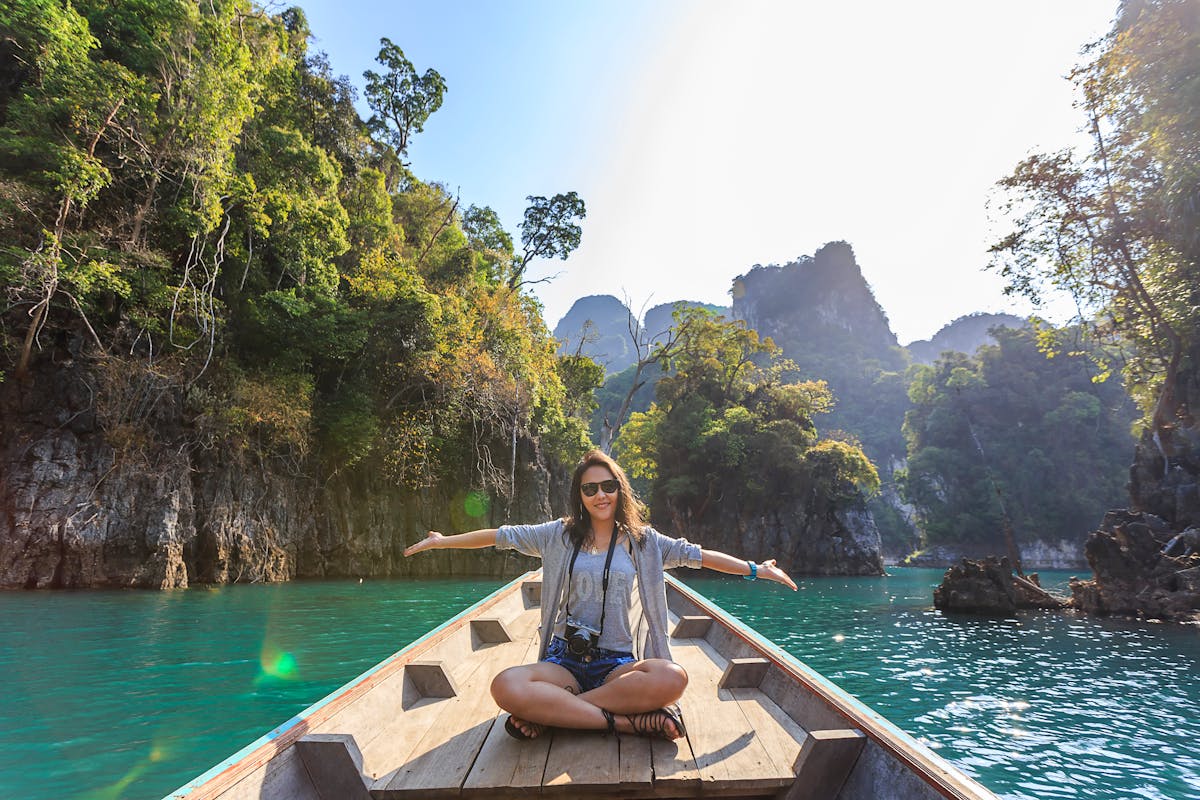
Mozambique can be backpacked on roughly US$20–45 per day outside luxury islands by using chapas and buses, budget guesthouses or homestays, market food, and shared tours. Travel during April–June or September–November for potentially lower prices, avoid January–March cyclone season, and support local guides, community stays, conservation projects, and ethical businesses.
Mozambique Budget Travel Backpacking Cheap: Complete Guide
Travelling Mozambique on a tight budget is entirely possible with planning, local knowledge and an ethical mindset. This Mozambique budget travel backpacking cheap guide collects practical strategies for saving on transport, food, accommodation and activities while respecting communities and contributing positively to local livelihoods.
Mozambique is generous: warm people, vast coastlines, wildlife and culture. With sensible choices you can explore it affordably and responsibly.
Why choose mozambique budget travel backpacking cheap?
Mozambique rewards the curious, and budget travel lets you linger in markets, ride local transport, share a homestay meal and watch spectacular sunsets without splurging. Backpacking here is about prioritising authentic experiences over luxury comforts. It’s also an opportunity to make your money count in places where tourism can support livelihoods.
Key advantages of budget backpacking
- Deeper cultural contact: Staying simple often leads to friendlier, more authentic interactions.
- Flexibility: Backpackers can adapt routes, linger where they like and pick lower-cost transport.
- Positive local impact: Choosing community-run lodges, local guides and markets helps share tourism benefits widely.
For inspiration on community-first stays, see the guide to Mozambique Community Owned Lodge Guide: Staying Local.
Plan before you go: budgeting, timing and essentials
Planning is the single biggest money-saver. A rough daily budget for backpackers can range widely depending on style, but a conservative guide is: 20–45 USD/day outside luxury islands — more if you include organised trips or diving.
When to travel
- Shoulder seasons (April–June, September–November) often have fewer crowds and lower prices for accommodation and some tours.
- Avoid cyclone season (Jan–Mar) for safety and better value.
Money and communications
- Use ATMs in major towns, but carry cash in smaller places. Smaller denominations are practical for markets and tuk-tuks.
- For connectivity and cheap data, check the Mozambique SIM Card Internet & WiFi Guide for Travelers to find the best local SIMs and tips to stay connected cheaply.
Getting around cheaply: transport tips
Transport is unavoidable but negotiable. With time and patience, you can move long distances affordably.
Buses and chapa (minibus) travel
- Local buses and chapas are the cheapest long-distance and intercity option. They are slower and less comfortable but cost a fraction of private transfers.
- For safety and comfort on overnight trips, choose reputable operators and lock valuables in the roof box where possible.
Trains and ferries
- Trains run on some routes and can be a cheap scenic option. Book early where required.
- Ferries and dhows connect islands and coastal strips. If island hopping, compare dhow and speedboat prices; for a low-cost island plan see our mozambique island hopping bazaruto quirimbas: Complete Guide.
Renting vs. public transport
- Self-drive 4x4s are liberating for remote areas but costly. For budget travellers, shared transport or renting for short legs might be more economical. Read the Mozambique 4x4 Rental Guide: Car Hire & Self-Drive Tips if you plan to drive.
Cheap places to stay — options and how to save
Budget accommodation ranges from hostels and guesthouses to community homestays and simple eco-lodges. Prioritise places that share profits locally.
Hostels, guesthouses and homestays
- Look for hostels and guesthouses in main towns and beach hubs — they often offer dorm beds or basic private rooms.
- Community homestays are a low-cost way to stay with families and contribute directly to local incomes. See Mozambique Community Homestay: Authentic Local Stays Guide for options.
Affordable eco-lodges and community stays
- Opt for smaller eco-lodges that reinvest in communities rather than large resorts. Examples of community-minded lodges include Nuarro Eco-Lodge and Macaneta Beach Eco Resort — both offer value while supporting local conservation and employment.
- In northern islands, consider budget dhow camping or simple island guesthouses rather than luxury sanctuaries; if you want to sample island life sustainably, check community options before splurging.
When splurging can be a good investment
- Invest in one or two paid experiences where fees directly support conservation or community projects (e.g., Gorongosa restoration trips or community-led cultural tours). See Gorongosa Restoration & Community Conservation Programme listings for transformative experiences.
Eat well and cheap: food and drink
Food is one of the easiest ways to save and to experience Mozambique's richness.
Street food and local markets
- Street food is affordable, flavoursome and a great way to support small vendors. Be selective and pick busy stalls where turnover is high. For a deeper dive into local flavours, read the Mozambique Street Food Guide: Tastes, Tips & Where to Eat.
- Buy fruit, bread and snacks from markets to reduce meal costs.
Cooking and communal kitchens
- Many guesthouses and hostels allow self-catering. Shopping at markets and cooking in shared kitchens is a top money-saver.
Low-cost activities and how to negotiate experiences
You don’t need to pay top dollar to access beaches, markets and many nature sites.
Free and cheap highlights
- Beaches, local markets, village walks and public festivals are largely free.
- Birdwatching and wildlife viewing can be affordable with a local guide; check the Birding Mozambique Expert Tours for low-cost small-group options.
Diving, snorkeling and organised tours
- Diving and boat trips cost more but can be affordable if you book group dives or shared dhow trips. To save, dive at less-crowded centres or take a single fun dive rather than full certification courses unless you plan multiple dives. See Mozambique Scuba Diving Certification: PADI Courses & Top Sites for planning.
- Look for local operators with transparent pricing like Sunset Dhow Safari Vilanculos or community-run charters rather than packaged tourist boat deals.
Respect, safety and ethical choices
Backpacking cheaply should not mean cutting corners on respect or ethics. Prioritise community benefit and cultural sensitivity.
When you travel cheaply, your small purchases and choices matter more. They can either bypass local economies or directly support them.
Ethical spending checklist
- Prefer local guides and homestays over imported tour operators.
- Ask before photographing people and respect local customs and dress codes.
- Tip fairly for good service; small tips go a long way.
- Avoid buying wildlife products or unethically sourced souvenirs.
For more on how tourism can help local people and wildlife, read Mozambique Conservation Tourism: How Your Visit Helps Wildlife.
Sample 10-day budget backpacking itinerary (low-cost)
Day 1–2: Maputo — explore markets, try local street food and use cheap intercity buses.
Day 3–4: Ponta do Ouro or Macaneta — cheap beach time, local homestays (Macaneta Beach Eco Resort offers community-friendly options).
Day 5–6: Tofo — budget diving/surfing hub; share group trips with other travellers.
Day 7–8: Vilanculos — gateway to Bazaruto; join an affordable dhow day trip like Bazaruto Archipelago Dhow Sailing & Snorkeling Day Trip.
Day 9–10: Island or national park experience — pick one ethical, community-led activity (e.g., community lodges or a conservation visit to Gorongosa Muzimu Lodge).
Adjust days according to transport times and personal interests.
Practical Tips
- Pack light but smart: Bring a quick-dry towel, mosquito net, basic first-aid, and a lock for shared dorms.
- Bargain respectfully: Bargaining is often expected in markets; do so with a smile and know when to stop.
- Learn basic Portuguese or local greetings: A few phrases open doors and reduce misunderstandings.
- Safety: Keep valuables hidden, avoid isolated areas at night and make copies of documents.
- Support community projects: Spend on local guides, buy crafts directly from makers and book community stays when you can.
- Slow travel: Staying longer in fewer places reduces transport costs and deepens cultural exchange.
Responsible backpacking: leave positive footprints
Supporting community-run initiatives and conservation-minded operators helps balance the impacts of tourism. Look into community-based listings like Ibo Island Lodge for stays that deliver income locally and preserve cultural heritage.
If you’re planning a marine trip, review conservation-focused resources such as Mozambique Marine Conservation: Protecting Indian Ocean Reefs to ensure your activities don’t harm reef ecosystems.
FAQ — Frequently Asked Questions
Q1: Is Mozambique safe for budget backpackers?
A: Generally yes, with common-sense precautions. Keep valuables secure, avoid poorly lit or isolated areas at night, use official transport where possible and ask locals or hosts about safe neighbourhoods.
Q2: How much should I budget per day as a backpacker?
A: Expect 20–45 USD/day for a modest backpacking style (dorms, local food, public transport). Costs rise for organised tours, diving or private transfers.
Q3: Can I travel around the country on public transport?
A: Yes — chapas, buses and some trains cover many routes. They’re slow but inexpensive. For remote areas, consider shared 4x4s or occasional short domestic flights where time is limited.
Q4: Where can I find cheap diving or snorkeling?
A: Tofo and the Bazaruto/Quirimbas regions have many dive centres. Join group trips and book locally to save. For reputable dive schools and certification options, see Mozambique Scuba Diving Certification: PADI Courses & Top Sites.
Q5: How can I ensure my travel benefits local communities?
A: Stay in community lodges, book local guides, purchase crafts directly from makers, and choose tours with transparent community or conservation contributions. Read Mozambique Community Based Tourism: Local Stays & Culture to learn more.
Final notes and conclusion
Mozambique budget travel backpacking cheap is not about deprivation — it’s about making thoughtful choices that stretch your budget while deepening your travel experience and amplifying local benefit. From cheap chapas to community homestays and market meals, you can see much of Mozambique without spending a fortune; doing so ethically ensures your visit leaves positive, lasting effects.
If you want to expand beyond backpacking basics, consider a mix of budget stays and a couple of paid conservation or cultural experiences — those are often the most rewarding. For ideas on sustainable and high-impact options, explore Mozambique Sustainable Travel Guide: Practical Eco-Tips for Visitors or plan island visits with community-minded operators like Ibo Island Lodge.
Safe travels: travel light, travel respectfully, and let your time in Mozambique be affordable, ethical and unforgettable.
Quick Comparison
| Feature | Option A | Option B |
|---|---|---|
| Orçamento diário | Mochileiro: cerca de 20–45 USD por dia fora das ilhas de luxo | Com mergulho, excursões organizadas ou transfers privados: custo superior ao orçamento base |
| Época de viagem | Abril–junho e setembro–novembro: épocas intermédias, potencialmente com menos visitantes e preços mais baixos | Janeiro–março: época de ciclones, recomendada para evitar |
| Transporte | Chapas e autocarros: mais baratos, mas lentos e menos confortáveis | 4x4 alugado ou transfers privados: mais flexíveis e confortáveis, mas mais caros |
| Alojamento | Hostels, guesthouses e homestays: opções económicas; homestays podem beneficiar diretamente famílias locais | Resorts e santuários de luxo: maior conforto, mas custos superiores |
| Passeios marítimos | Dhows e excursões partilhadas: alternativas de menor custo | Lanchas rápidas e passeios privados: normalmente mais caros |
| Atividades | Praias, mercados, caminhadas em aldeias e festivais: gratuitas ou baratas | Mergulho, barcos e tours organizados: pagos, mas podem ficar mais acessíveis em grupo |
Key Facts
O orçamento indicativo para um mochileiro em Moçambique é de 20–45 USD por dia fora das ilhas de luxo.
CostAs épocas de abril a junho e de setembro a novembro podem oferecer menos multidões e preços mais baixos em alojamento e algumas excursões.
TimingJaneiro a março é apresentado como época de ciclones, que o artigo recomenda evitar por segurança e melhor previsibilidade de viagem.
SafetyChapas e autocarros locais são geralmente as opções de transporte de longa distância e interurbano mais baratas, embora sejam mais lentas e menos confortáveis.
LogisticsMercados, fruta, pão, snacks e comida de rua são estratégias para reduzir os custos das refeições; o artigo recomenda escolher bancas movimentadas, com maior rotação de alimentos.
FoodCasas de família comunitárias, guesthouses, hostels e eco-lodges simples oferecem alternativas económicas aos resorts, podendo direcionar rendimento para as comunidades locais.
AccommodationViajar com 4x4 próprio é mais caro; para viajantes económicos, transporte partilhado ou aluguer de curta duração pode ser mais vantajoso.
TransportPraias, mercados locais, caminhadas em aldeias e festivais públicos estão entre as atividades gratuitas ou de baixo custo mencionadas no guia.
Activities