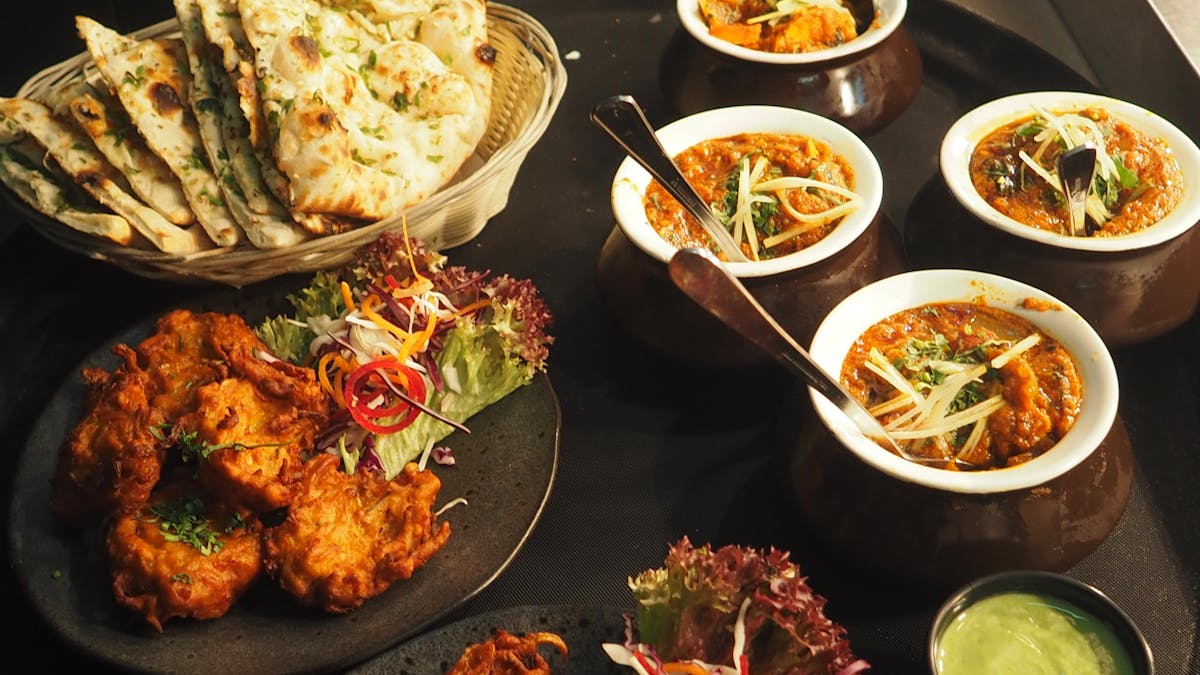
Mozambique’s street food combines grilled prawns and fish, churrasco, matapa, xima, chamuças, roasted corn, coconut and peanut sauces, and peri-peri. For safer eating, choose busy stalls with high turnover, eat food cooked hot, use bottled or treated water, carry Mozambican meticais, and favor locally owned vendors.
Mozambique Street Food Guide: Tastes, Tips & Where to Eat
Mozambique's streets are a living, fragrant invitation to taste the country. This Mozambique street food guide introduces travelers to the flavors, places, and practical ethics of eating on the go — from bustling Maputo markets to coastal stalls serving fresh prawns. Whether you're a first-time visitor or returning for deeper culinary exploration, this guide helps you eat well, respectfully, and safely.
Mozambique Street Food Guide: What to Expect
Street food in Mozambique is diverse because the country itself is a crossroads of cultures: Bantu communities, Portuguese influence, Indian and Arab traders, and more recent global trends. Expect:
- Simple, fresh ingredients: maize, cassava, coconut, peanuts, fish and prawns, tropical fruit.
- Bold sauces and marinades: peri-peri, coconut curry, and peanut-based sauces.
- Grilled and fried preparations: churrasco (grilled meat and seafood), skewers, flatbreads and deep-fried snacks.
Street food is also a social experience. Stalls often cluster around markets, beaches and transport hubs. Vendors may be family-run; buying from them supports local livelihoods. Approach stalls with curiosity and respect — a smile and a few words in Portuguese (obrigado/obrigada, por favor) go a long way.
Tip: Street food is not only affordable and delicious — it’s an entry point into community life. Treat it as you would any cultural exchange: politely, respectfully, and with a desire to learn.
Mozambique Street Food Guide: Key Dishes to Try
Below are staple dishes and popular street snacks you should seek out. I’ve grouped them by type for practical ordering.
Seafood & Grill
- Churrasco / Espetada — Mozambique’s version of barbecue: skewered meats and seafood, often brushed with peri-peri or garlic butter. In coastal towns you’ll find prawns (camarão), kingfish and small whole grilled fish.
- Grilled Prawns — Served simply with garlic, lemon and peri-peri; a coastal must in Tofo, Vilanculos and Nampula.
- Crab and Lobster Stalls — Look for licensed beach vendors in tourist-friendly areas; freshness is usually excellent near fishing communities.
Hearty, Local Staples
- Matapa — A traditional stew of cassava leaves cooked in coconut milk and ground peanuts, often with crab or shrimp. Rich, creamy and distinctly Mozambican.
- Xima (also called pap) — A dense maize porridge that serves as the starch base for many meals. Eat with stews and grilled dishes by hand or with a spoon.
Snacks & Street Bites
- Chamuças (samosas) — Spiced triangular pastries with vegetable, beef or chicken fillings; a legacy of Indian traders.
- Pãozinho / Pão — Small breads or rolls; perfect for breakfast or pairing with grilled fish.
- Roasted Corn (milho assado) — Sold on coastal walks and market corners; sweet, smoky and portable.
- Sweet Fried Dough & Cakes — For dessert, look for baked goods and coconut-based sweets.
Sauces & Condiments
- Peri-peri — The signature chili sauce: bright, vinegary and spicy. Ask for mild if you prefer.
- Coconut Curry & Peanut Sauces — Often used in matapa and fish dishes.
Regional Highlights: Where to Eat Street Food Across Mozambique
Street-food scenes vary by province. Here are places to prioritize by interest:
- Maputo (Maputo City & Province): Urban food culture, churrasco vendors and lively markets. Combine street bites with a cultural walk through the city and sample local cafés.
- Inhambane (Tofo, Vilanculos, Bazaruto): Prime for seafood. After a day on the water or a Mozambique Dhow Safari Vilanculos, enjoy grilled prawns and beachside skewers. For lodging near great seafood and diving, see Vilanculos Accommodation: Bazaruto's Adventure Capital Guide and local listings like Kisawa Sanctuary (Benguerra Island).
- Nampula & Ilha de Moçambique: Strong Swahili and Indian influences—look for chamuças, curries and rich coastal stews. Pair a food walk with cultural tours like Ilha de Moçambique UNESCO Heritage Walking Tours and consider staying at eco-conscious lodges such as Nuarro Eco-Lodge.
- Sofala & Zambezia: Inland markets where matapa and peanut-based dishes are common. If you’re combining wildlife and food, check conservation-linked experiences like Gorongosa Restoration & Community Conservation Programme and accommodations like Muzimu Lodge (Gorongosa National Park).
Finding the Best Stalls: Practical Ways to Discover Local Food
- Follow the crowds: busy stalls usually mean fresh food turnover.
- Ask locals — drivers, guides, and hotel staff often point to the best and safest spots.
- Visit markets at peak hours: mornings for baked goods and fish markets; evenings for churrasco and grilled specials.
- Pair food trips with local tours — for example, a fishing charter or a cultural walk often concludes with fresh-cooked dishes. See listings such as Mozambique Deep Sea Fishing Charters or Sunset Dhow Safari Vilanculos.
Ethical Eating & Respectful Behavior
Eating local supports families and small businesses — but do it responsibly:
- Choose vendors who follow simple cleanliness practices and treat staff fairly.
- Buy from community-run stalls when possible; profits stay local and benefit households.
- Avoid encouraging unsafe or exploitative food sourcing (e.g., illegal wildlife products).
- Learn and use basic Portuguese courtesies; showing respect strengthens the exchange.
Ethical travel is not an extra — it should be part of your food plan. Small choices — where you eat and how you pay — have big community impact.
Practical Tips for Eating Street Food in Mozambique
- Hygiene first: Prefer busy stalls with high turnover and food cooked to order. Hot, freshly-cooked items are generally safer than cold, pre-prepared salads.
- Stick to cooked foods: Grilled seafood, stews and fried snacks are lower risk than raw salads or uncooked sauces.
- Drink safely: Use bottled or treated water for drinking and brushing teeth. Avoid ice unless you're confident it was made from potable water.
- Carry cash: Many street vendors are cash-only. Small Mozambican metical (MZN) notes and coins are useful.
- Allergies & dietary needs: Communication can be a challenge. Learn key phrases in Portuguese (e.g., “Eu sou alérgico(a) a…” — I am allergic to…). Vegetarian and vegan options exist but may require asking vendors for simple swaps.
- Bargaining: Don’t haggle aggressively over small food purchases. Fair prices sustain vendors. If you’re unsure, accept posted prices or ask politely.
- Eat with respect: In some areas, communal eating is common. Follow local cues about where and how to eat.
- Plan logistics: If you plan to visit remote markets or coastal villages, consider travel options and safety. Self-drive travelers should read specific advice in guides like Mozambique 4x4 Rental Guide: Car Hire & Self-Drive Tips and Mozambique Self-Drive Safari: 4x4 Road Trip Guide Nationwide.
Where to Pair Street Food with Responsible Experiences
Combine your culinary exploration with sustainable tourism options so your visit supports conservation and communities. For example:
- Stay at community or eco-lodges that source locally, such as those featured in Mozambique Eco Lodge Guide: Sustainable Stays Nationwide or Mozambique Community Owned Lodge Guide: Staying Local.
- Book community-based tours to learn about food cultures firsthand: Mozambique Community Based Tourism: Local Stays & Culture.
Pairing food and responsible travel ensures your dining creates long-term benefits for people and places.
Sample Street-Food Day Itinerary (Maputo to Coast)
- Morning: Local market breakfast — pãozinho and coffee at a bakery stall.
- Midday: Visit a fish market, watch the catch arrive, and enjoy a grilled fish lunch.
- Afternoon: Explore craft markets and sample roasted corn and sweets.
- Evening: Churrasco by the beach with a side of xima and matapa; finish with tropical fruit.
If you’re road-tripping to coastal towns, plan with guides like Mozambique Self-Drive Safari: 4x4 Road Trip Guide Nationwide and consider eco-stays such as Dunes de Dovela Eco-Lodge or listings like Macaneta Beach Eco Resort.
Recommended Market & Food Experiences (Listings)
- Ilha de Moçambique walking tours pair history with food experiences: Ilha de Moçambique UNESCO Heritage Walking Tours.
- For an island food-and-dive combo, consider staying near Nuarro and sampling local coastal cuisine at Nuarro Eco-Lodge.
- Explore the culinary and cultural charm of Ibo Island: Ibo Island Lodge.
FAQ — Mozambique Street Food Guide
1) Is street food safe to eat in Mozambique?
Yes — many travelers enjoy street food safely by choosing busy stalls, eating hot freshly-cooked dishes, and avoiding uncooked items or questionable water. Follow the Practical Tips above and trust your senses: a clean-looking stall with a steady stream of locals is usually a good sign.
2) What should a first-time visitor try?
Start with grilled prawns, a churrasco skewer, and a small portion of matapa with xima. For snacks, try chamuças and roasted corn. These dishes showcase Mozambique’s coastal bounty and blended culinary heritage.
3) Can I find vegetarian or halal options?
Vegetarian dishes exist — coconut curries, matapa (without seafood), and many vegetable chamuças. Halal options are more common in coastal and northern towns with Muslim communities; ask locally or look for vendors near mosques and community centres.
4) How much should I tip street vendors?
Tipping is not obligatory for small food purchases, but rounding up or leaving small change is appreciated. In restaurants, a 5–10% tip for good service is customary.
5) How can I make sure my food choices help the community?
Buy from locally owned stalls, choose community-run tours and lodges, and favor vendors who source ingredients from nearby producers. Read more on community and sustainable travel in pieces like Mozambique Community Based Tourism: Local Stays & Culture and Mozambique Sustainable Travel Guide: Practical Eco-Tips for Visitors.
Final Notes & Conclusion
This Mozambique street food guide is an invitation to taste deeply and travel respectfully. Street food is more than quick meals — it’s a way to encounter daily life, regional history and local economies. By choosing stalls thoughtfully, practicing basic food safety, and supporting community-focused businesses, your meals can enrich both your journey and the places you visit.
Enjoy the flavors, ask questions, and return home with new favorites and stories. For practical logistics, self-drive advice and sustainable lodging options that help you reach markets and coastal villages responsibly, see resources like Mozambique 4x4 Rental Guide: Car Hire & Self-Drive Tips, Mozambique Self-Drive Safari: 4x4 Road Trip Guide Nationwide and Mozambique Eco Lodge Guide: Sustainable Stays Nationwide.
Safe travels and bom apetite — may this Mozambique street food guide lead you to many memorable meals.
Quick Comparison
| Feature | Option A | Option B |
|---|---|---|
| Typical food focus | Maputo: urban markets, churrasco, cafés, and mixed street-food options. | Tofo, Vilanculos, and Bazaruto: grilled prawns, fish, and beachside seafood stalls. |
| Cultural influences | Maputo: diverse urban food culture with Portuguese and wider regional influences. | Nampula and Ilha de Moçambique: especially strong Swahili and Indian influences, including chamuças and curries. |
| Best time to visit stalls | Morning: baked goods and fish markets. | Evening: churrasco and grilled specialties. |
| Food safety preference | Hot, freshly cooked grilled dishes, stews, and fried snacks. | Higher-risk choices: raw salads, uncooked sauces, and ice or water of uncertain origin. |
| Dietary suitability | Vegetarians can seek vegetable chamuças, coconut curries, and matapa without seafood. | Halal options are more common in coastal and northern towns with Muslim communities. |
Key Facts
Matapa is a Mozambican stew made with cassava leaves, coconut milk, and ground peanuts, often combined with crab or shrimp.
CultureXima, also called pap, is a dense maize porridge commonly served with stews and grilled dishes.
CultureBusy street-food stalls with high turnover and food cooked to order are presented as safer choices than stalls serving cold, pre-prepared foods.
SafetyTravelers are advised to use bottled or treated water for drinking and brushing their teeth and to avoid ice unless it was made with potable water.
SafetyMany Mozambican street vendors accept cash only, making small notes and coins in Mozambican meticais useful for food purchases.
LogisticsMornings are recommended for baked goods and fish markets, while evenings are better for churrasco and grilled specialties.
TimingA 5–10% tip is described as customary in restaurants, while tipping is not obligatory for small street-food purchases.
CostTofo, Vilanculos, and Bazaruto are highlighted as coastal destinations for grilled prawns and other seafood street food.
Destinations