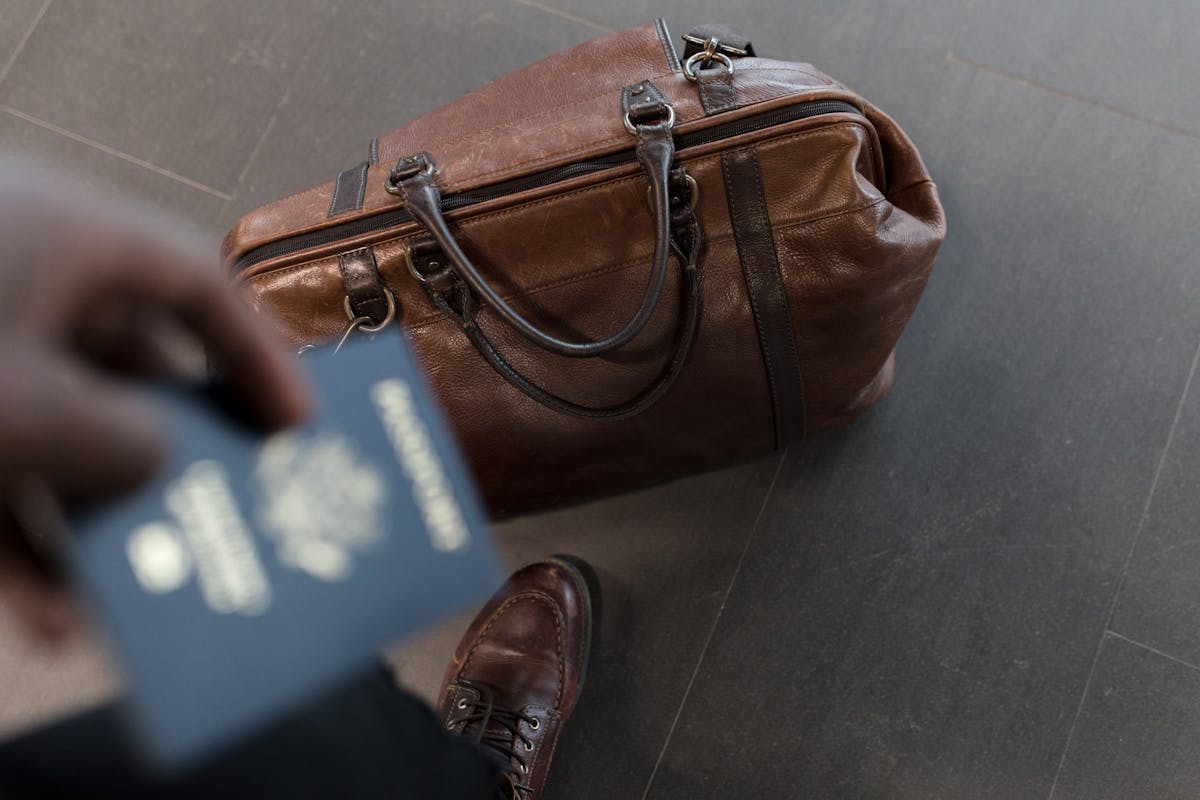
Mozambique is suitable for budget backpacking, especially from May to October, when road travel and sea conditions are generally better. A 10–14-day route can connect Maputo, Bilene, Tofo and Vilanculos, using chapas, shared shuttles, hostels and local eateries. Budget travelers should plan for about $25–$45 USD daily off-season, excluding costly island trips.
Mozambique Backpacking Guide: Budget Routes, Hostels & Tips
Whether you’re planning your first long trip in southern Africa or you’re a seasoned overlander, this Mozambique backpacking guide will help you travel smart, ethically and affordably. From coast-hopping hostels to off-grid community stays, I cover practical routes, how to get around, budget sleeping options and respectful ways to engage with local communities.
Mozambique is a country of warm beaches, vivid music and resilient communities. Backpacking here rewards patience, curiosity and an open heart.
Mozambique Backpacking: Planning & Essentials
When to go
Choose months that match your priorities: the dry season (May–October) is best for road travel, wildlife and clearer sea conditions for diving or snorkeling; the shoulder months (April, November) often bring fewer travellers and green landscapes. For marine life and whale sharks check timing in guides like Mozambique November Travel 2026: Rainy Season & Whale Sharks.
Visas, paperwork and money
Check entry requirements well in advance — many nationalities use the e-visa system described in Mozambique e-Visa 2026: How to Apply, Costs & Entry. Carry a copy of your passport and the visa confirmation. For money matters, learn how the metical works and where to access cash in Mozambique Money Guide 2026: Meticais, ATMs & Mobile Money.
Health and insurance
Get up-to-date vaccinations, bring a basic medical kit, and purchase travel insurance that covers medical evacuation and activities like diving — see Mozambique Travel Insurance Guide: What Coverage You Need for details.
Packing essentials
Pack light, breathable clothing, a good rain jacket for the shoulder/green season, insect repellent, sunscreen, a headtorch and a sturdy daypack. For beach and snorkel trips, protect reef health with reef-safe sunscreen. See the full checklist in Mozambique Packing List 2026: Beach, Safari & Diving Essentials.
Mozambique Backpacking: Budget Routes & Logistics
Mozambique’s long coastline and varied interior make for flexible itineraries. Here are several budget-friendly route ideas that connect major highlights with cheaper transport and accommodation options.
Coastal loop: Maputo → Inhambane → Vilanculos → Bazaruto
- Start in Maputo for markets and nightlife. Use local minibuses or shared shuttles to Inhambane province.
- Tofo (Inhambane) is ideal for diving and a lively backpacker scene. Book local snorkeling/diving through operators in the area; for broader diving advice see the Complete Mozambique Diving Guide 2026.
- Continue north to Vilanculos to reach the Bazaruto Archipelago; boat transfers and day trips are available from Vilanculos.
Why this route works for backpackers: frequent transport options, a range of hostels and guesthouses, plus many budget-friendly meals and market food.
Northern beach trail: Pemba → Quirimbas → Ilha de Moçambique
- Pemba has a growing cultural scene and access to the Quirimbas Islands.
- Island-hopping here is slightly more expensive but can be budgeted by staying in simple guesthouses on the mainland and taking day boats.
- Include a stay at historic Ilha de Moçambique for a cultural immersion and consider community homestays like Ilha de Moçambique Family Homestay.
Inland adventure: Maputo → Zambezia → Gorongosa → Niassa
- Blend wildlife and rural culture by moving inland to Gorongosa and Lake Niassa (Lake Malawi). Overland travel requires more planning but pays off with fewer tourists and lower prices.
- For an authentic lakeside experience consider stays like Lake Niassa Shore Camp.
Short & sweet: Bilene weekend escape
- From Maputo, Bilene is a popular short-trip option with lagoons and water sports. Budget camps and community lodges are common — for kitesurfing or a relaxed lagoon stay, look at Bilene Kite Beach Camp or the community-run Bilene Lagoon options.
Transport: Getting Around on a Budget
Buses, chapa and shared taxis
- Intercity buses and minibuses (chapas) are the cheapest way to travel. They vary in comfort; depart early and keep valuables close.
- For longer distances, consider private shuttle companies that link tourist towns — slightly pricier but safer and faster.
Trains and ferries
- Mozambique’s train network is limited but scenic where it exists; schedules can be irregular.
- Coastal ferries and dhows operate between islands and towns (e.g., trips to Bazaruto); book locally and verify departure times.
Self-drive and rentals
- Rent a car only if you’re confident with rough roads and remote travel; read local driving advice in Mozambique Car Rental Guide: Driving Tips, Costs & Routes.
Local boat trips and day tours
- For island visits and reef trips, book through reputable operators. Consider community-led or conservation-linked excursions like the three-hour sailing and snorkel experiences offered around Ilha de Moçambique and Bazaruto. A recommended day trip in Inhambane is the Bazaruto Archipelago Dhow Sailing & Snorkeling Day Trip.
Hostels, Homestays & Community Stays
Backpackers will find a range of budget sleeping options — from beach hostels to community homestays and eco-lodges.
Popular options and what to expect
- Hostels & guesthouses in Maputo, Tofo and Vilanculos offer dorms, Wi-Fi and social areas.
- Homestays provide deeper cultural exchange and often feed money directly into local households — for a meaningful experience try Ilha de Moçambique Family Homestay or Quelimane Riverside Homestay.
- Community and conservation camps: staying at places that fund local projects is highly recommended — for example, Marromeu Buffalo Reserve Community Guides and conservation kayak projects in Inhambane like Inhambane Mangrove Restoration & Kayak Experience.
Booking tips
- Book first and last nights in advance; in between, allow flexibility to change plans.
- Ask hostels about local laundry and kitchen use — cooking for yourself saves money and creates community connections.
Practical Tips
- Budgeting: Expect to spend more than neighbouring Zambia or Tanzania on coastal islands; inland travel is cheaper. Local markets and small eateries (machambas and barraquinhas) are the cheapest food options.
- Safety: Respect local advice, avoid remote travel at night, and keep copies of important documents. For an in-depth safety overview, read Is Mozambique Safe 2026? Province-by-Province Travel Safety Guide.
- Connectivity: Buy a local SIM (Vodacom or Movitel) for the best coverage; see Mozambique Internet SIM Card Guide 2026: Vodacom vs Movitel.
- Sustainable choices:
- Support locally owned guesthouses and craft markets (e.g., Vilanculos Craft Market).
- Choose reef-safe sunscreen, avoid single-use plastics, and join community conservation activities when possible.
Ethical Travel & Cultural Respect
Backpacking in Mozambique is not just sightseeing — it’s an opportunity to support communities with humility and care.
How to engage respectfully
- Learn a few phrases in Portuguese or local languages (e.g., Xitsua, Makhuwa) — a basic greeting goes a long way.
- Ask permission before photographing people, especially in rural or sacred contexts.
- Buy crafts directly from makers when possible; visiting cooperatives like the Chimoio Craft Collective helps ensure fair returns.
Volunteer thoughtfully
- Short-term volunteering can cause harm if poorly planned. Prefer longer-term, well-reviewed projects and always verify that local communities lead them. Conservation and cultural experiences such as the Marromeu Buffalo Reserve Community Guides or Inhambane Mangrove Restoration & Kayak Experience often have clearer community benefits.
Sample 10–14 Day Budget Backpacking Route (Maputo to Vilanculos)
Day 1–2: Maputo — markets, Maputo City Walking Tours, local music in the evenings (Maputo City Walking Tours). Day 3–4: Bilene — lagoon, kite options at Bilene Kite Beach Camp. Day 5–7: Tofo (Inhambane) — diving, snorkeling and beach life; consult diving tips in Complete Mozambique Diving Guide 2026. Day 8–10: Vilanculos — gateway to Bazaruto; daytrips to islands and craft markets. Day 11–14: Relax or head inland to a reserve or Lake Niassa; if staying by the lake consider Lake Niassa Shore Camp.
Recommended Responsible Listings (examples)
- Bilene Kite Beach Camp — lagoon access, community-linked activities.
- Lake Niassa Shore Camp — eco-conscious lakeside stay.
- Ilha de Moçambique Family Homestay — cultural exchange and local economy support.
FAQ
Q: Is Mozambique backpacking safe for solo travellers?
A: Many solo travellers have positive experiences, but safety varies by province and the hour. Use daytime transport when possible, register plans with hosts, and consult the latest advice in Mozambique Travel Advisory 2026: Latest Entry Rules & Safety.
Q: How much should I budget per day?
A: Budget travellers can manage on roughly $25–$45 USD per day off-season (dorms, local food, chapa transport). Coastal islands and private tours increase costs substantially.
Q: Can I find vegetarian or vegan food while backpacking in Mozambique?
A: Yes—markets, rice and bean dishes, and many coastal restaurants will adapt. See Mozambique Vegan & Vegetarian Food Guide: What to Eat for ideas.
Q: What about diving and snorkeling costs?
A: Day trips and dives vary by region. Tofo and Bazaruto are competitive; check local diving operators and read the Complete Mozambique Diving Guide 2026 for budgeting and safety tips.
Q: How can I make sure my trip benefits local communities?
A: Stay in local guesthouses, hire community guides, buy crafts directly from makers, and choose tours that adhere to sustainable practices. Participate in community experiences such as the Pemba Makonde Art Workshop or cultural walks like Angoche Swahili Coast Heritage Walk.
Conclusion: Mozambique Backpacking — Final Words
Mozambique backpacking is an invitation to slow travel: long days of coastline, lively markets, complex histories and communities that welcome genuine exchange. Travel with respect, favour community-led experiences and plan flexibly to enjoy this country’s unique rhythm. With thoughtful preparation and a responsible mindset, your Mozambique backpacking journey can be adventurous, affordable and beneficial to the people you meet along the way.
If you want a tailored budget itinerary or hostel recommendations for a specific region, tell me your dates and interests and I’ll help you plan the next steps.
Quick Comparison
| Feature | Option A | Option B |
|---|---|---|
| Best travel period | May–October: drier conditions, better road travel and generally clearer seas | April and November: shoulder season, fewer travelers and greener landscapes |
| Coastal travel | More hostels, restaurants and transport options, especially around Tofo and Vilanculos | Island areas such as Bazaruto and Quirimbas: more expensive because of boats, transfers and tours |
| Transport option | Chapas, buses and shared taxis: cheapest, but comfort and schedules vary | Private shuttles: faster and more convenient, but more expensive |
| Accommodation | Hostels and guesthouses: dorms, Wi-Fi and social spaces in major backpacker towns | Homestays and community camps: stronger cultural exchange and more direct local benefit |
| Travel region | Southern coastal route: Maputo, Bilene, Tofo and Vilanculos, suitable for a 10–14-day itinerary | Inland and northern routes: more planning required, with fewer tourists and potentially lower prices |
Key Facts
The dry season from May to October is generally best for road travel, wildlife and clearer sea conditions for diving and snorkeling in Mozambique.
TimingBudget travelers can spend roughly $25–$45 USD per day off-season on dorm accommodation, local food and chapa transport.
CostA 10–14-day backpacking itinerary can connect Maputo, Bilene, Tofo and Vilanculos, with optional trips to Bazaruto.
ItineraryIntercity buses, chapas and shared taxis are among the cheapest ways to travel around Mozambique, although comfort and schedules vary.
TransportCoastal islands and private boat or diving excursions generally cost substantially more than inland travel and local activities.
CostTravelers are advised to avoid remote travel at night, keep copies of important documents and follow local safety advice.
SafetyHostels and guesthouses in Maputo, Tofo and Vilanculos commonly provide budget accommodation, dorms, Wi-Fi and social areas.
AccommodationBuying crafts directly from makers and choosing community-led or conservation-linked experiences can help direct tourism income to local communities.
Ethical Travel