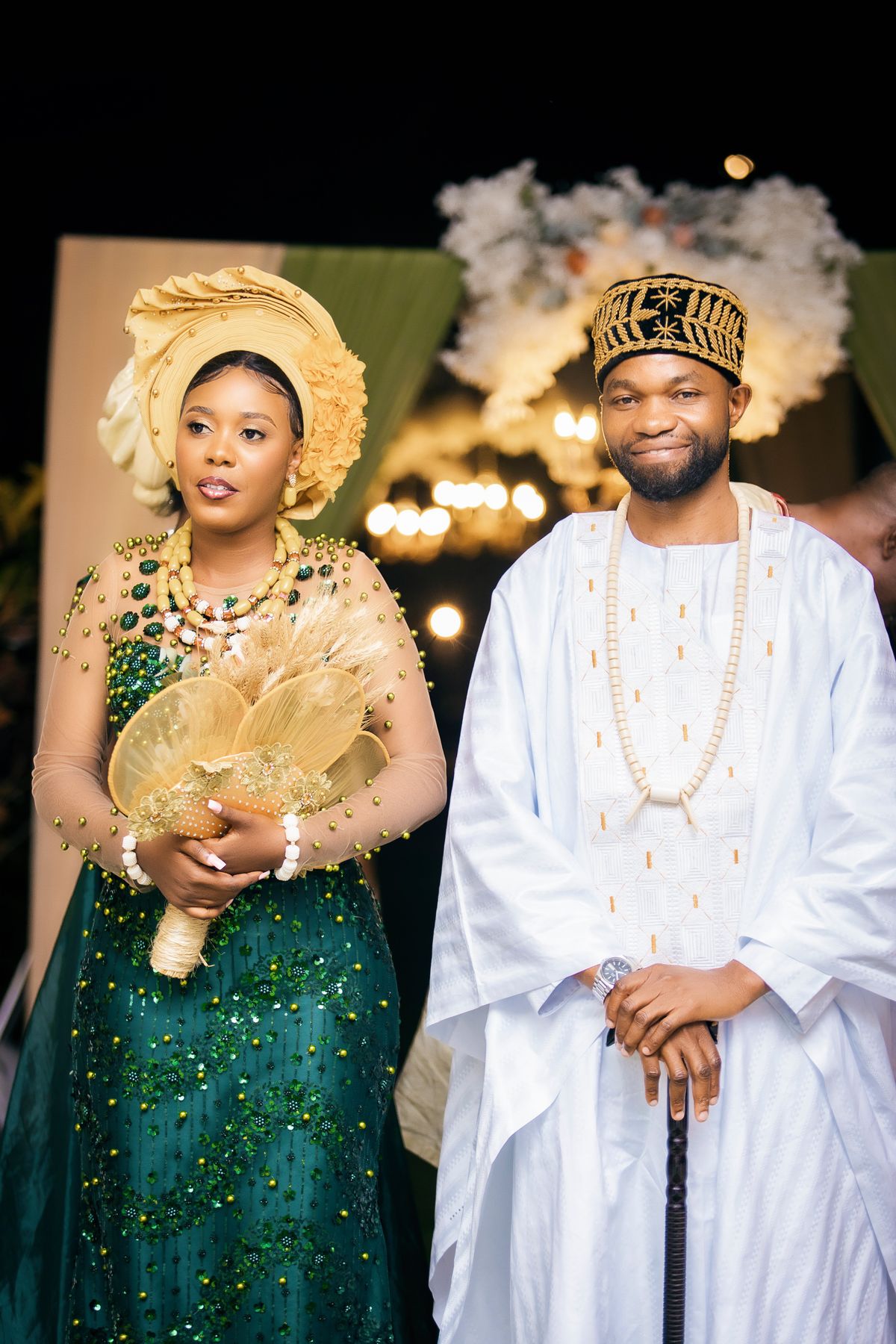
Lobolo, multi-day celebrations, and communal feasting — Mozambican weddings unite families, not just individuals. Discover the traditions, the lobolo debate, and parallels with African American wedding customs.
Mozambican Wedding Traditions: Lobolo, Celebration, and Community
Marriage as Community Event
In Mozambique, a wedding is not a private affair between two individuals — it is a union of families. The entire community participates. And the process begins long before the ceremony, with lobolo — the bride wealth negotiation that forms the foundation of Mozambican marriage.
Lobolo
Lobolo (also called roora in some regions) is the practice where the groom's family presents wealth — traditionally cattle, today often money — to the bride's family. It is not "buying a wife" — it is a recognition of the bride's family's investment in raising her, and a formalisation of the union between two families.
The lobolo negotiation is a formal, sometimes lengthy process involving extended family representatives from both sides. It includes:
- Initial approach — the groom's family formally requests the bride's hand
- Negotiation — the bride's family sets the lobolo amount, which is negotiated
- Payment — the agreed amount is paid, often in instalments
- Celebration — once lobolo is settled, the wedding proceeds
The Celebration
Mozambican weddings are multi-day events involving hundreds of guests. They include:
- Traditional ceremony — with traditional dress (capulanas), food, and rituals
- Church/mosque ceremony — religious formalisation (for Christian or Muslim couples)
- Reception — feasting, dancing (marrabenta, kizomba), speeches, and gift-giving
The American Connection
- African American wedding traditions — "jumping the broom," communal celebration, and family involvement share structural DNA with Mozambican weddings
- Lobolo debate — the practice raises questions about gender, tradition, and modernity that parallel American debates about wedding costs and gender roles
- Diaspora weddings — Mozambican diaspora weddings in America blend traditional lobolo with American wedding customs