Capulana EditorialAugust 26, 2026
Quick Answer
The extended family — not the nuclear family — is Mozambique's primary social unit. Discover collective child-rearing, mutual obligation, and kinship bonds, and their parallels with African American family traditions.
Mozambican Family Structure: Extended Families and Community Bonds
The Family Is Everything
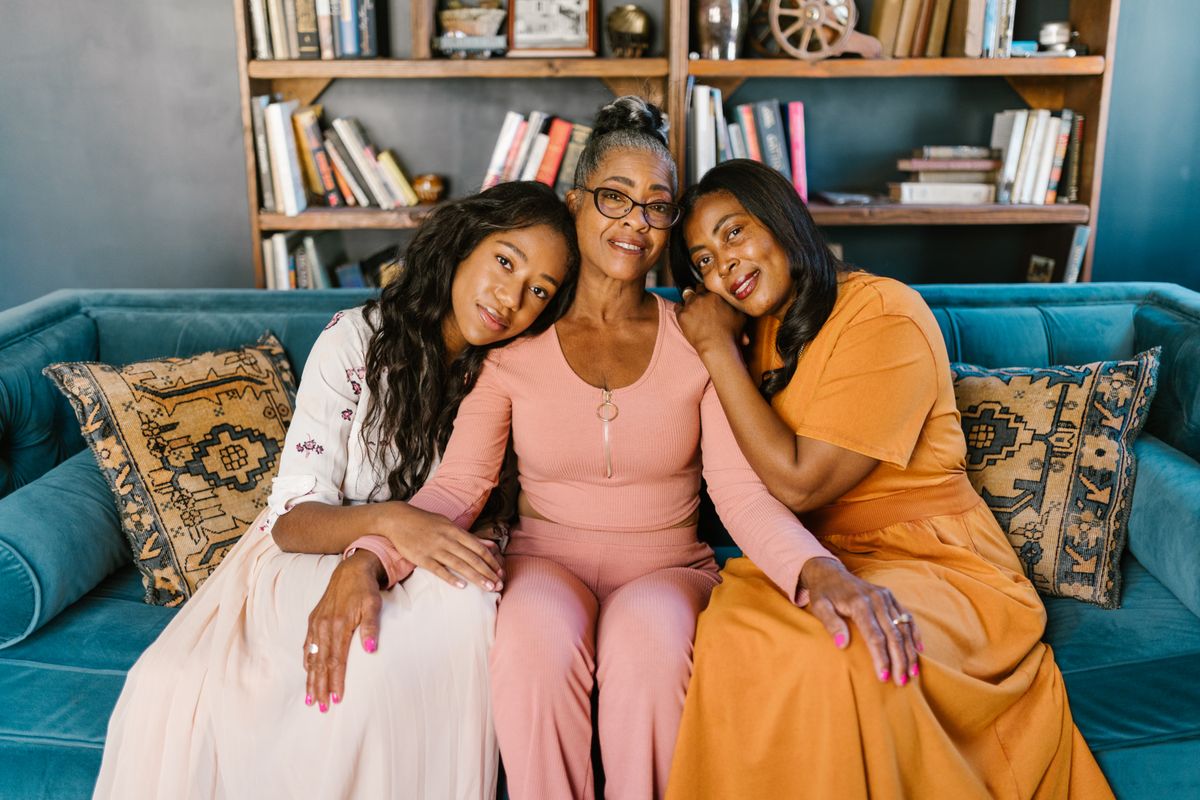
In Mozambique, the extended family is the primary social unit. Not the nuclear family — the extended family: grandparents, aunts, uncles, cousins, and in-laws, all bound by mutual obligation, shared resources, and collective child-rearing. The Mozambican proverb "A person is a person through other people" is not abstract philosophy — it is lived reality.
Structure
- Patriarchal but matrifocal — men are formally the heads of households, but women manage daily life, finances, and child-rearing
- Extended households — multiple generations living together or in adjacent compounds
- Collective child-rearing — children are raised by the community, not just parents. Aunts, grandmothers, and neighbours all participate
- Obligations — family members are expected to share resources, house relatives, and contribute to family events (funerals, weddings, initiation ceremonies)
The American Connection
- African American family traditions — extended family networks, collective child-rearing ("it takes a village"), and strong kinship bonds are shared features of African and African American culture
- Chosen family — American LGBTQ+ and alternative communities have developed "chosen family" structures that echo the Mozambican extended family's mutual obligation model
- Multigenerational living — the growing American trend toward multigenerational households (driven by economics and aging populations) parallels the Mozambican norm
Related Reading
family extended-family community child-rearing kinship culture africa america diaspora customs