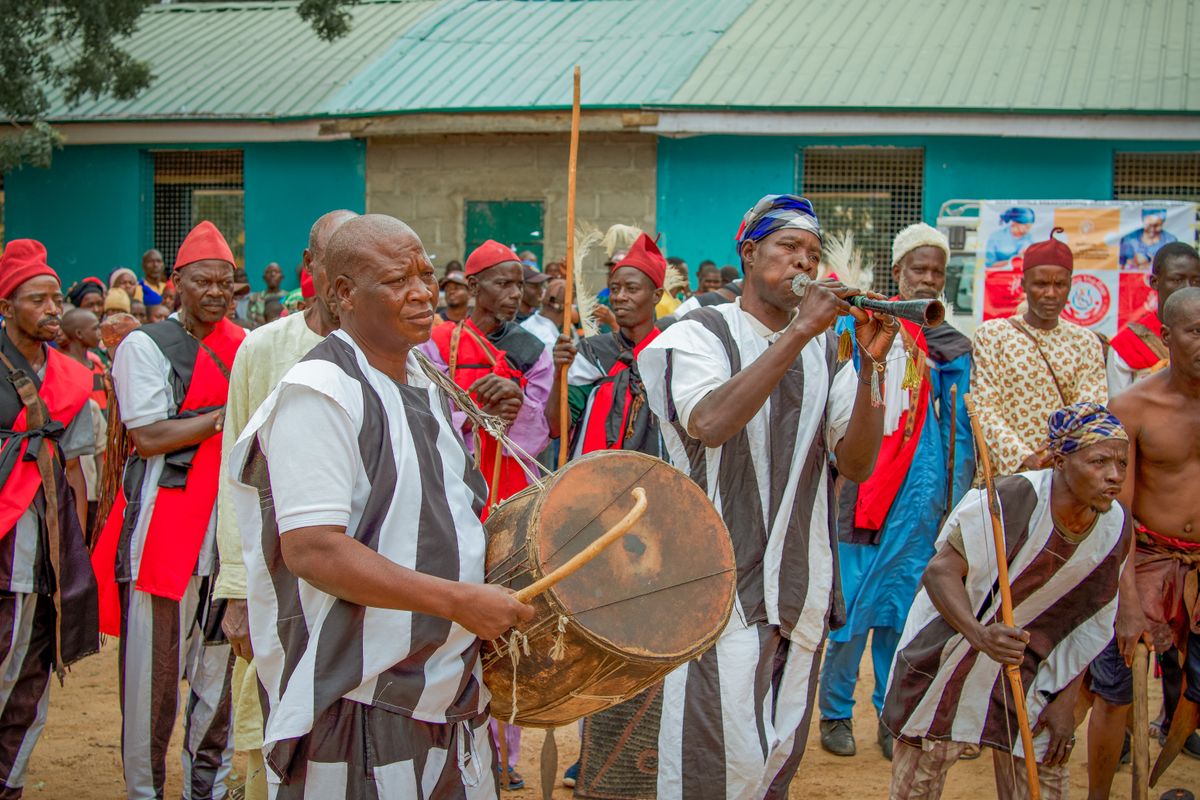
Born in Maputo's musseques in the 1950s, marrabenta is Mozambique's music of resistance — a fusion of traditional rhythms, Portuguese guitar, and urban defiance. Discover how this genre connects to American blues and rock.
Marrabenta: Mozambique's Rebel Music and Its American Echoes
The Sound of a Nation
If Mozambique had a heartbeat, it would sound like marrabenta. Born in the musseques (informal settlements) of Maputo in the 1950s, marrabenta is the music of a people who refused to be silent — a fusion of traditional Mozambican rhythms, Portuguese guitar, and the raw energy of urban life under colonial rule.
The word marrabenta comes from the Portuguese rebentar — to burst, to break, to explode. And that is exactly what the music does: it bursts with life, with defiance, with the uncontainable joy of people who have every reason to despair but choose instead to dance.
Origins in Resistance
Marrabenta emerged from Maputo's working-class neighbourhoods — particularly Malanga, Mafalala, and Aeroporto — where migrant labourers from across southern Mozambique gathered. These communities brought their traditional music: the tsikbiti (Tsonga guitar style), marrabenta (a faster variant), and various drum traditions.
The Portuguese colonial regime viewed this music with suspicion. Marrabenta lyrics, often sung in Bitonga or Xitsonga rather than Portuguese, carried coded messages of resistance. The music was played at backyard parties, at funerals, at celebrations — any gathering where the community could be together. The colonial police could not understand the lyrics. But the people could.
The Guitar as Weapon
The marrabenta guitar style is distinctive: rapid, syncopated, and percussive. The guitarist doesn't just play chords — he uses the guitar as a rhythm instrument, creating a driving pulse that compels movement. The traditional guitar tuning, often open or modal, gives marrabenta its characteristic sound — neither purely African nor European, but something new, something Mozambican.
Key early marrabenta artists — Fany Pfumo, Dilon Djindji, and João Sabão — were not trained musicians. They were dock workers, domestic servants, and market vendors who played at night, after work, in the courtyards of the musseques. Their songs spoke of love, of poverty, of longing, and — increasingly — of freedom.
Independence and Beyond
After independence in 1975, marrabenta became Mozambique's unofficial national music. The new government promoted cultural expression as a tool of nation-building, and marrabenta bands like Orquestra Marrabenta Star and Ghorwane became cultural ambassadors, touring internationally.
The 1980s and 1990s saw marrabenta evolve: electronic instruments were added, the tempo accelerated, and new influences — from Soukous to reggae — were absorbed. But the core remained: the guitar-driven pulse, the call-and-response vocals, and the irrepressible spirit of celebration.
Marrabenta and America
Marrabenta's connection to America runs through several channels:
- World music circuits: Marrabenta bands toured the US in the 1980s and 1990s, appearing at festivals like WOMAD and alongside African American artists.
- The African diaspora: Mozambican communities in the US — though small — keep marrabenta alive at community gatherings.
- Musical influence: The syncopated guitar style of marrabenta shares DNA with American blues and early rock — both descended from African musical traditions.
- Streaming platforms: Marrabenta is now accessible on Spotify and Apple Music, allowing American listeners to discover the genre.
- DanceAfrica 2025: The Brooklyn Academy of Music festival honoured Mozambican music, introducing marrabenta to new American audiences.
The New Generation
Today's marrabenta artists are pushing the tradition in new directions. Bands like Mabulu blend marrabenta with hip-hop and electronic music. Young Maputo musicians produce marrabenta-influenced tracks on laptops, sharing them on SoundCloud and YouTube. The music has evolved — but its soul remains the same.
For American listeners, marrabenta offers a musical entry point into Mozambican culture that is immediate and visceral. You don't need to understand the lyrics to feel the joy, the defiance, the pulsing life of a nation that has survived colonialism, civil war, and poverty — and still dances.