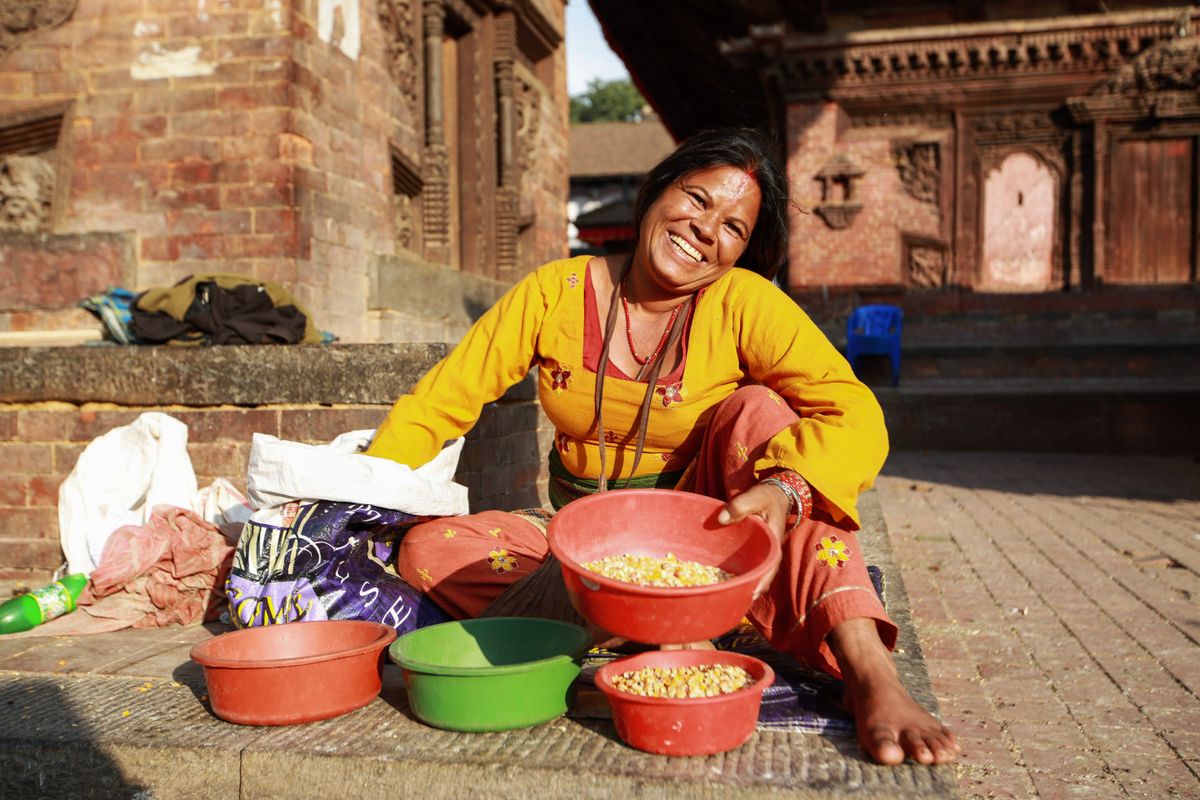
Maputo is a coastal capital best explored slowly by foot, waterfront strolls, markets, museums and community-led walks. Expect seafood-forward cuisine, rooftop music and vibrant markets like Mercado Central and Feira do Artesanato. Use cash (MZN) for markets, consider e-visas for 2026, and support locally owned tours and crafts.
Maputo Travel Guide 2026: Things to Do, Where to Eat, Markets & Nightlife
Welcome to this Maputo travel guide for 2026. If you're planning a visit to Maputo City, this guide offers a warm, practical, and respectful overview of what to do, where to eat, how to navigate the markets, and where to experience the city’s nightlife—all while emphasizing ethical travel and community benefit.
Maputo is a living, breathing coastal capital where Portuguese colonial architecture, Mozambican rhythms, and Indian Ocean flavors meet. Use this guide as a starting point, and remember that the best discoveries come when you travel with curiosity and respect for local people and traditions.
“Travel is not simply seeing the sights; it’s leaving a positive trace.” — Travel ethic for visiting Maputo
Maputo Travel Guide: Top Things to Do
Maputo rewards slow exploration. Spend time on foot, take a guided walk, and allow the city’s sounds and tastes to guide you.
Walk the Waterfront and Praça da Independência
Start at the waterfront (Marginal) and stroll toward Praça da Independência. The wide boulevards and monumental buildings reflect layers of history. Pause at cafés and watch fisherfolk on the shoreline. For a guided introduction, consider booking Maputo City Walking Tours to learn local stories from community guides.
Explore Museums and Architecture
- Museu Nacional de Arte: Contemporary Mozambican art in a thoughtful space.
- Casa do Ferró: A striking iron house with colonial history.
- Central Market (Mercado Central): Not just for shopping—it's a cultural immersion.
Ride the Tram and Local Transport
Maputo’s classic trams (where operating) and minibuses (chapas) offer an authentic way to see neighborhoods. Choose safe, reputable drivers and ask your hotel for recommended routes. For longer day trips, see transport options in our broader Portugal and Mozambique transit coverage like Mozambique by Train: Railway Adventures on the CFM Network.
Take a Dhow or Day Trip to Nearby Beaches
A short drive or boat ride can take you to calm beaches and snorkel spots. For reef experiences near Maputo Province, look into the Ponta do Ouro Coral Reef Diving Experience. For longer coastal adventures, explore dhow traditions in Dhow Sailing: A Thousand Years on the Mozambique Channel.
Maputo Travel Guide: Where to Eat and Drink
Maputo’s culinary scene is vibrant and rooted in seafood, Portuguese influence, and African flavors. Dining here can be a highlight—seek locally owned restaurants that hire local staff and source ingredients ethically.
Must-Try Foods
- Peri-peri prawns and whole grilled fish
- Matapa (cassava leaves with coconut and peanuts)
- Feijoada-style stews and fresh seafood rice
- Street snacks: grilled corn, samosas, and pastel de nata influenced pastries
Recommended Approaches
- Eat where locals eat: small corner restaurants (churrasquerias and marisqueiras) often offer the best flavors at fair prices.
- Look for places participating in community sourcing or that support local fishers.
Cafés, Cocktails and Rooftops
Maputo’s café culture is growing—perfect for people-watching. At night, rooftop bars and music venues serve cocktails and live jazz or marrabenta music. Ask your host for current local venues; nightlife changes quickly and benefits from local recommendations.
Maputo Travel Guide: Markets & Shopping
Markets are central to Maputo’s daily life. Visiting them respectfully supports local craft makers and vendors.
Mercado Central and Feira do Artesanato
Mercado Central serves produce, seafood, and textiles. Feira do Artesanato (handicraft market) is where artisans sell woodcarvings, woven goods, and makonde sculptures. When you shop:
- Bargain politely: start about 30% lower than the asking price and raise offers with a smile.
- Ask about origins: prefer pieces made locally rather than imported trinkets.
Support Craft Collectives
Buying from cooperatives helps ensure earnings go to artisans and communities. For broader ideas on craft and community tourism across Mozambique, read about Makonde workshops and craft collectives in our national features like Pemba Makonde Art Workshop and related articles such as The World Hears Us: How Mozambican Communities Are Telling Their Own Stories.
Maputo Travel Guide: Nightlife & Music
Maputo’s musical heartbeat is strong—live bands, DJs, and traditional music make evenings memorable. The city has a mix of laid-back bars, busy clubs, and cultural centers with live performances.
Where to Experience Music
- Local live music venues: many host marrabenta, jazz, and fusion artists.
- Cultural centres and festivals: seasonal events showcase regional artists.
When you attend gigs, buy drinks or merch on-site where possible—this directly supports performers and venue staff.
Practical Tips — Maputo Travel Guide Essentials
This section gathers the most practical advice for a safe, respectful, and enjoyable trip.
Documents, Visas and Entry
- Check visa requirements in advance; for 2026 many travelers can use e-visa systems—see our step-by-step guide: Mozambique E-Visa: Step-by-Step Guide for 2026 Travelers.
- Keep colour copies of your passport and travel documents, and store digital copies securely.
Safety and Health
- Maputo is generally safe for visitors who use common-sense precautions. For an in-depth look at safety across Mozambique, read Is Mozambique Safe 2026? Nationwide Safety Guide for Tourists.
- Carry sunscreen, stay hydrated, and use bottled or filtered water when recommended.
- Keep medications and a small first-aid kit with you.
Money and Payments
- Cash (metical) is widely used for markets and small vendors; credit cards are accepted in larger hotels and restaurants.
- ATMs are available but may be limited outside central areas—withdraw enough cash for market days.
- Mobile money is increasingly common—ask locals or your host for quick payment tips.
Language and Communication
Portuguese is the official language; many people speak Shangaan/Xichangana and other local languages. Learning simple greetings goes a long way—see our communication guide: What Language Do They Speak in Mozambique? A Complete Communication Guide.
Respectful Dress and Behaviour
- Dress modestly in religious or conservative settings.
- Ask before photographing people—many will pose happily, but permissions matter.
- Support community-run tours and ethical enterprises when choosing experiences.
Getting Around
- Taxis (metered or agreed fares) and ride apps serve the city; confirm fare in advance.
- For authentic local color, consider a guided walk or community-led tour such as Maputo City Walking Tours.
Ethical Travel Checklist
- Prefer locally owned restaurants, shops, and guides.
- Ask about provenance of crafts before buying.
- Tip fairly—tips support many service workers’ incomes.
Responsible Day Trips and Community Experiences
Choose day trips that invest in local communities. Nearby experiences include community-led conservation and cultural projects; supporting these helps ensure tourism revenue stays local. Consider a short drive to Marracuene and stay or visit properties like Marracuene Riverside Lodge when you want to experience the riverside away from the city.
For reef and diving experiences in the region, the Ponta do Ouro Coral Reef Diving Experience connects travelers with trained local guides and reef conservation efforts.
Where to Stay — Quick Advice
Maputo offers everything from boutique guesthouses to international hotels. If you prefer community-minded accommodation, consult our national guide: Where to Stay in Mozambique: Accommodation Guide for Every Budget. Choosing locally run lodgings multiplies the benefit to Maputo’s economy.
Sample 48-Hour Maputo Itinerary
Day 1
- Morning: Waterfront walk, coffee, Praça da Independência
- Midday: Mercado Central, lunch at a marisqueira
- Afternoon: Museum or Casa do Ferró
- Evening: Live music and dinner at a locally-run restaurant
Day 2
- Morning: Guided walk with Maputo City Walking Tours
- Midday: Craft market shopping and light lunch
- Afternoon: Short drive to Marracuene or a beach excursion
- Evening: Rooftop cocktails and a cultural performance
Cultural Respect and Community Benefit
Maputo’s people are generous and proud of their culture. Travel with humility:
- Learn basic greetings in Portuguese or Xichangana.
- Pay fair prices and tip service staff.
- Choose tours and businesses that reinvest in local communities.
For ideas on how tourism can support communities and stories told by Mozambicans themselves, see The World Hears Us: How Mozambican Communities Are Telling Their Own Stories.
FAQ — Maputo Travel Guide (Common Questions)
1. Is Maputo safe for tourists in 2026?
Short answer: Generally yes, with common-sense precautions. Avoid isolated areas at night, keep valuables secure, and follow local advice. For detailed, up-to-date safety guidance across the country, consult Is Mozambique Safe 2026? Nationwide Safety Guide for Tourists.
2. What currency is used and can I use cards?
The local currency is the Mozambican metical (MZN). Cards work in major hotels and restaurants; carry cash for markets and smaller vendors.
3. Do I need vaccinations or health precautions?
Check your country’s travel-health advice before travel. Basic vaccinations are recommended; bring malaria prophylaxis if you’ll visit inland areas. Pack sunscreen and insect repellent.
4. How do I get from Maputo to nearby beaches or reserves?
You can hire a licensed tour operator or rent a car. For reef diving in Maputo Province and southern Mozambique, see the Ponta do Ouro Coral Reef Diving Experience.
5. What’s the tipping culture?
A 10% tip is common at restaurants that don’t include service; small cash tips for guides and drivers are appreciated and make a real difference.
Final Notes and Conclusion — Maputo Travel Guide
Maputo is a city of rhythm, warmth, and surprising discovery. This Maputo travel guide aims to help you navigate the best things to do, where to eat, how to experience markets, and where to enjoy nightlife—while traveling ethically and supporting local communities.
By choosing locally owned tours, buying crafts from artisans, and treating people with respect, your visit can leave a positive and lasting benefit. For planning tools on visas, language, safety, and broader Mozambican experiences, explore the linked guides throughout this article.
Safe travels and enjoy Maputo responsibly—the city rewards those who listen, learn, and contribute.
Further reading and resources:
- Is Mozambique Safe 2026? Nationwide Safety Guide for Tourists
- Mozambique E-Visa: Step-by-Step Guide for 2026 Travelers
- Where to Stay in Mozambique: Accommodation Guide for Every Budget
- Dhow Sailing: A Thousand Years on the Mozambique Channel
Listings referenced:
Thank you for reading this Maputo travel guide—travel with curiosity, humility, and a commitment to do good where you go.
Quick Comparison
| Feature | Option A | Option B |
|---|---|---|
| Payment methods | Cash (MZN) — preferred for markets, street vendors and small restaurants. | Credit cards — accepted at major hotels and larger restaurants but less common in small establishments. |
| Transport style | Trams and chapas — authentic, local experience for short trips and neighborhood sightseeing. | Taxis and ride apps — more convenient for point-to-point travel and late-night trips; agree fare or use meters. |
| Where to buy goods | Mercado Central — fresh produce, seafood and textiles; everyday local shopping. | Feira do Artesanato — handicrafts, Makonde sculptures and tourist-focused artisan goods. |
| Accommodation impact | Locally run guesthouses and boutique lodgings — higher community benefit and direct local income. | International hotels — broader amenities and services but less direct local reinvestment. |
Key Facts
The local currency in Maputo is the Mozambican metical (MZN), and cash is widely used for markets and small vendors.
LogisticsA 10% tip is commonly expected at restaurants that do not include a service charge, and small cash tips for guides and drivers are appreciated.
CostMany travelers can use Mozambique e-visa systems in 2026, so visitors should check visa requirements and official e-visa guidance before travel.
LogisticsMercado Central sells produce, seafood and textiles, while Feira do Artesanato specializes in handicrafts such as woodcarvings and Makonde sculptures.
ShoppingMaputo’s public transport options include classic trams where operating and minibuses (chapas), both of which offer an authentic way to see neighborhoods.
LogisticsMaputo’s culinary highlights include peri‑peri prawns, whole grilled fish, matapa, feijoada-style stews and street snacks like grilled corn and samosas.
FoodThe Ponta do Ouro Coral Reef Diving Experience connects travelers with trained local guides and reef conservation efforts near Maputo Province.
ConservationPortuguese is the official language in Maputo, and many people also speak Shangaan/Xichangana and other local languages; learning basic greetings is recommended.
Culture