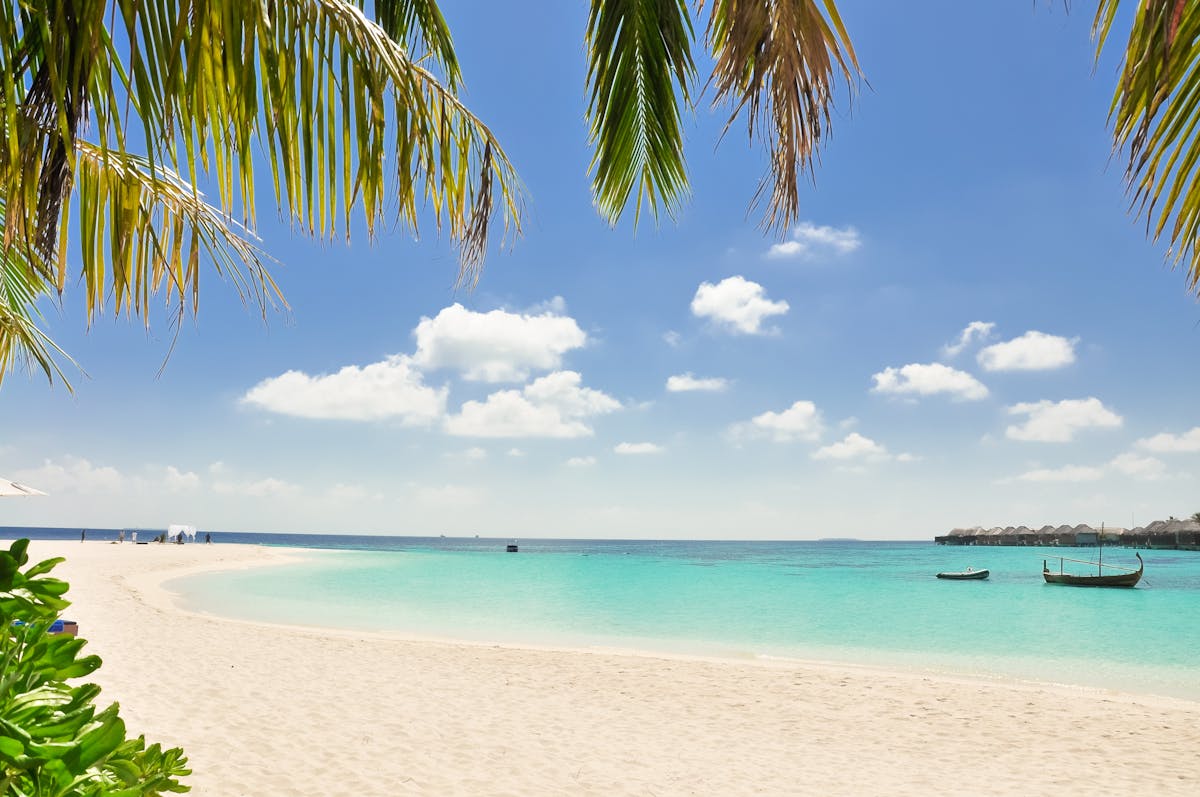
Mozambique mangrove forest kayaking is a low-impact way to paddle tidal estuaries from Maputo to the Quirimbas, offering birdwatching, juvenile fish nurseries and community encounters. Choose community-run operators, time paddles for mid–high tides, wear a PFD, and prefer tours that fund restoration or local education.
Mozambique Mangrove Forest Kayaking: Tours & Conservation
Mozambique mangrove forest kayaking offers a unique way to move slowly through tidal forests, meet coastal communities and witness rich birdlife and juvenile fish nurseries. This guide explains why these habitats matter, where to paddle across provinces, how tours can support conservation and communities, and practical steps to plan an ethical, safe trip.
Why Mozambique Mangrove Forest Kayaking Matters
Mangroves are more than tangled roots and dense green canopy — they are frontline ecosystems that protect coastlines, store carbon and sustain fisheries. When you choose Mozambique mangrove forest kayaking as a travel experience, you are entering an ecosystem that:
- Provides nursery habitat for fish, prawns and juvenile sharks
- Sequesters and stores significant amounts of carbon in mud and biomass
- Buffers coastal communities against storm surge and erosion
- Supports livelihoods from sustainable harvesting, tourism and crafts
Conserving mangroves in Mozambique is therefore a conservation and climate action priority. Kayak tours that combine low-impact access with local stewardship deliver both meaningful visitor experiences and tangible benefits for people who depend on these forests.
"Go quietly, look closely: a mangrove is a library of life and local knowledge."
Where to Experience Mozambique Mangrove Forest Kayaking
Mozambique's coastline is long and varied; mangrove systems occur from the southern estuaries of Maputo Province to the delta plains of Zambezia and the remote Quirimbas in the north. Highlights include:
Inhambane and the Bazaruto region
- Inhambane province features creeks, lagoons and mangrove fringes where guided kayak journeys combine restoration work and nature watching. A great way to get involved is the Inhambane Mangrove Restoration & Kayak Experience, which pairs paddling with hands-on planting and community education.
Zambezia and the Quelimane estuary
- The Quelimane region has one of Mozambique's largest mangrove complexes and strong community-led initiatives. Consider booking community stays such as the Quelimane Riverside Homestay to ensure tourism income remains local.
Sofala and the Búzi River
- Sofala’s riverine mangroves are accessed from small community-run camps and homestays, where local guides explain the links between fisheries and mangrove health — see nearby projects and guides like the Búzi River Community Homestay.
Southern lagoons and Gaza province
- In southern lagoons near Bilene and Chókwè, mangroves are smaller but culturally significant; community camps such as Bilene Lagoon Community Camp often combine water sports and conservation messaging.
Each region offers different paddling conditions and wildlife — from quiet birdwatching waters to tidal estuaries rich with crabs, mudskippers and juvenile fish.
Planning Your Mozambique Mangrove Forest Kayaking Trip
Choose an ethical operator
Seek operators who employ local guides, share revenue with communities and have clear conservation ties. Ask whether tours support mangrove restoration, monitoring or local education. For background on responsible travel and ecotourism in Mozambique, read Mozambique Ecotourism: Sustainable & Responsible Travel Guide.
Timing and tides
Mangrove paddling is tidal. Low-tide mudflats can be impassable while mid to high tide makes paddling easy and reveals wildlife. Check regional seasonal guides — for travel timing insights see Mozambique May Travel: Weather, Events & Practical Guide or Mozambique April Travel: Weather, Events & Practical Guide depending on your month.
Permits and access
Some mangrove areas fall inside protected zones or community-managed areas; a licensed guide and small fee often ensure legal access and benefit sharing. Always confirm whether a tour supports conservation fees.
What to expect on the water
- Quiet waterways, narrow channels and exposed root networks
- Abundant birdlife (herons, kingfishers, egrets, raptors)
- Crabs, shrimps and often sightings of juvenile fish and rays
- Cultural encounters with fishers, boat-builders and mangrove harvesters
Conservation: How Kayaking Tours Can Help Protect Mangroves
Well-designed kayak tours can be a positive force for mangrove conservation when they:
- Provide direct income to communities that protects forests from destructive conversion
- Fund restoration and replanting projects
- Support local monitoring of illegal cutting and encroachment
- Raise visitor awareness and build long-term supporters
Case study: community guides in parts of Zambezia and Inhambane use tour income to hire beach wardens and organize planting days. Join practical experiences that include conservation tasks — for example the Inhambane Mangrove Restoration & Kayak Experience blends paddling with planting and environmental education.
Cultural Respect and Community Benefit
Visiting mangrove communities means joining everyday coastal life. Follow these principles to ensure your presence is beneficial and respectful:
- Prioritize community-run experiences and locally owned operators
- Learn basic greetings in local languages (Portuguese, Emakhuwa, Tsonga, Macua, Sena depending on region) and use them
- Ask before photographing people or homes — many communities welcome photos but expect a polite request and sometimes a small fee
- Buy local crafts and services rather than bringing all supplies from outside
- Support homestays and community camps, such as Quelimane Riverside Homestay or Bilene Lagoon Community Camp
Ethical tours ensure that conservation and livelihoods go hand in hand. If you’re interested in longer-term volunteer opportunities, consult guidance in Mozambique Volunteer Travel: Ethical Programs & How to Choose.
Safety, Logistics and What to Bring
Safety basics
- Always paddle with a licensed guide who knows tides and channels
- Bring a personal flotation device (PFD); reputable operators provide one
- Check weather and cyclone season advice — see Mozambique Rainy Season Guide: Cyclones, Travel Tips & Safety if traveling in November–April
Packing list
- Quick-dry clothing and sun protection (wide-brim hat, SPF 30+, UV shirt)
- Waterproof bag for camera, documents and phone
- Water, snacks and salt tablets for hot days
- Lightweight mosquito repellent for evenings
- Binoculars and camera; see photography tips in Mozambique Photography Guide: Best Instagram Spots & Camera Tips
Transport and connections
Mangrove sites are accessed by 4x4, boat or short flights depending on location. Combine mangrove kayaking with coastal stays or archipelago trips, such as a dhow journey in the Bazaruto area (Bazaruto Archipelago Dhow Sailing & Snorkeling Day Trip). For road advice around Mozambique, consult Mozambique Road Trip Guide: Routes, Conditions & 4x4 Tips.
Responsible Photography and Wildlife Watching
Mangroves offer spectacular photographic opportunities, but follow responsible guidelines:
- Keep distance from roosting birds and nesting sites
- Use a telephoto lens rather than approaching sensitive wildlife
- Avoid trampling roots or disturbing sediment
Photography etiquette and composition advice can be found in Mozambique Photography Guide: Best Instagram Spots & Camera Tips.
Practical Tips
- Book community-led trips early in high season; small groups ensure low impact.
- Confirm whether your tour includes restoration fees or direct community payments.
- Hire local guides — their knowledge of tides, bird behavior and cultural stories makes the trip richer.
- Learn a few local phrases and read up on tipping customs in Mozambique Tipping Etiquette: Cultural Guide for Travelers.
- Be flexible with schedules: tides and weather will dictate the best paddling times.
- If you have mobility concerns, discuss access and vehicle support with the operator ahead of time.
Sample Itineraries
Half-day educational paddle (ideal for families)
- Morning high-tide paddle with a community guide
- Short talk about mangrove ecology and local livelihoods
- Visit a small fish-smoking site or craft cooperative
Full-day restoration & kayak experience
- Paddle to a replanting site and participate in planting
- Community lunch and cultural exchange
- Afternoon birdwatching and estuary exploration
Multi-day community homestay
- Two nights with a homestay (e.g., Quelimane Riverside Homestay)
- Guided paddles, craft workshops and market visits
- Contribution to a local conservation fund
FAQ
Q: Is Mozambique mangrove forest kayaking safe for beginners?
A: Yes — many operators cater to beginners using double kayaks or sit-on-top kayaks, with experienced guides who manage tides and routes. Tell your operator about any medical conditions and ensure a PFD is worn at all times.
Q: When is the best time to go mangrove kayaking in Mozambique?
A: The dry season (May–October) is usually calm and cooler, making paddling more comfortable. However, tides matter more than month: plan around mid to high tide for easy access. Consult month-specific weather guides such as Mozambique May Travel: Weather, Events & Practical Guide for domestic timing.
Q: How can I ensure my trip benefits local communities?
A: Book with community-run operators, choose homestays, pay local guides directly and ask whether part of the tour fee funds restoration or education. Avoid operators that hire foreign staff for roles local people could fill.
Q: What wildlife might I see while kayaking in mangroves?
A: Expect abundant birds (egrets, herons, kingfishers), crabs, mudskippers, juvenile fish, rays and sometimes small sharks in estuaries. Seasonal visitors like migratory birds may appear at certain times of year.
Q: Can I combine mangrove kayaking with other coastal activities?
A: Absolutely. Many operators pair kayaking with snorkeling, dhow trips or cultural walks. For archipelago combinations, consider a Bazaruto dhow trip like the Bazaruto Archipelago Dhow Sailing & Snorkeling Day Trip.
Further Reading and Resources
- Mozambique Ecotourism: Sustainable & Responsible Travel Guide — for deeper context on ethical tourism
- Mozambique Volunteer Travel: Ethical Programs & How to Choose — if you want longer-term engagement
- mozambique ilha de mocambique UNESCO Guide: History & Tips — background on coastal heritage
For safety contacts, always keep local emergency details to hand: see Mozambique Emergency Numbers & Safety Contacts Guide.
Conclusion
Mozambique mangrove forest kayaking is an intimate, low-impact way to experience some of the country's most valuable coastal habitats while directly supporting conservation and local livelihoods. Choose community-centered operators, respect cultural norms, and come prepared to paddle with patience and curiosity. By traveling thoughtfully, your visit can help protect mangroves, sustain fisheries and amplify community benefits — ensuring that these tidal forests continue to thrive for generations to come.
Book a community-led paddle, learn from local guides, and let your trip leave a positive footprint.
Quick Comparison
| Feature | Option A | Option B |
|---|---|---|
| Paddling conditions | Inhambane: creeks, lagoons and mangrove fringes with guided journeys that often include restoration activities. | Zambezia/Quelimane: one of Mozambique’s largest mangrove complexes with broad tidal estuary paddles and community-led stays. |
| Community involvement | Inhambane: tours commonly pair paddling with planting, education and local guides sharing income. | Quelimane (Zambezia): strong community-led initiatives and riverside homestays that keep tourism income local. |
| Wildlife and habitat type | Sofala (Búzi River): riverine mangroves linked closely to local fisheries and estuary exploration. | Gaza (Bilene/Chókwè): smaller lagoon mangroves that are culturally significant and often combined with water-sports. |
| Best season to paddle | Dry season (May–October): generally calmer, cooler and more comfortable for paddling. | Rainy/cyclone season (November–April): increased cyclone risk; check cyclone and weather advice and avoid peak storms. |
Key Facts
Mangroves in Mozambique provide nursery habitat for fish, prawns and juvenile sharks.
ConservationMangrove forests sequester and store significant amounts of carbon in mud and biomass.
ConservationMangroves buffer coastal communities against storm surge and erosion.
SafetyMozambique's mangrove systems occur from the southern estuaries of Maputo Province through Zambezia to the remote Quirimbas in the north.
LogisticsThe dry season (May–October) is usually calmer and cooler for paddling, while the November–April period overlaps Mozambique's rainy and cyclone season.
TimingMany kayak experiences in Mozambique combine paddling with restoration, replanting and environmental education, for example the Inhambane Mangrove Restoration & Kayak Experience.
ConservationReputable operators provide licensed local guides and personal flotation devices (PFDs) and plan routes around tides and channels.
SafetyCommunity guides in parts of Zambezia and Inhambane use tour income to hire beach wardens and organize planting days.
Community