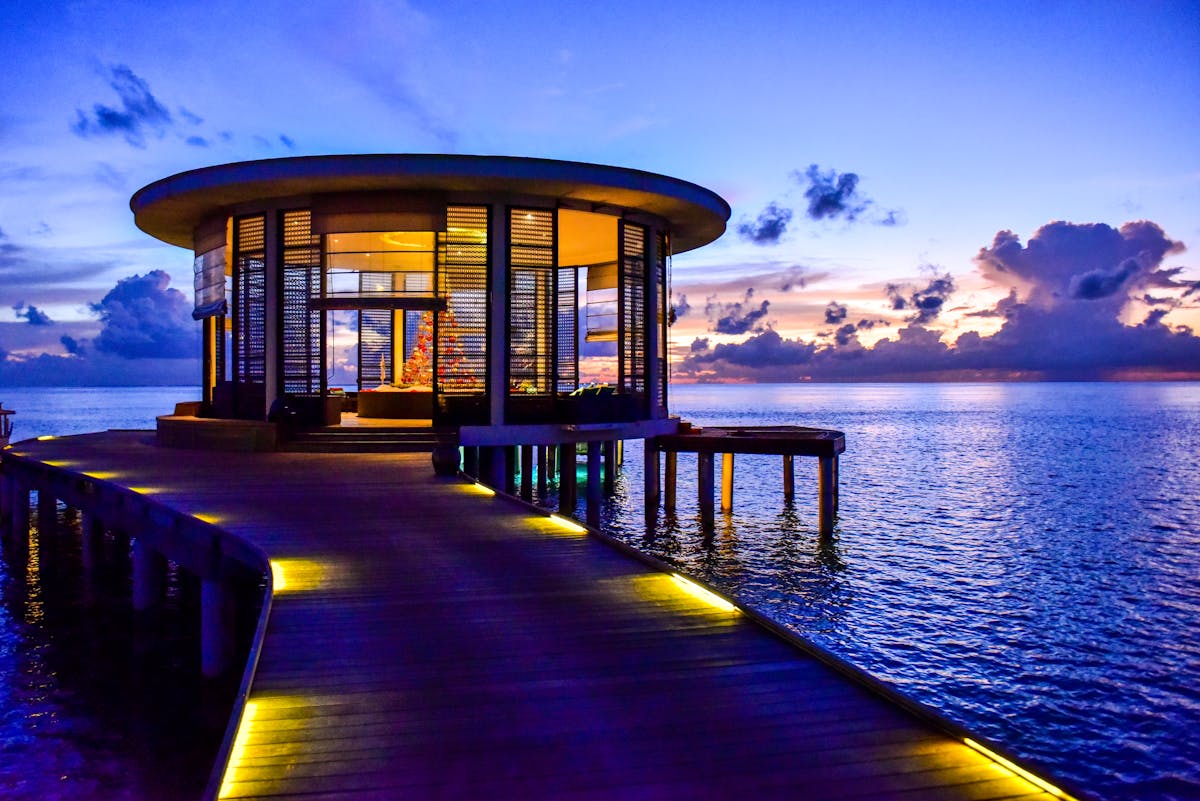
Seychelles is polished, compact and pricier with iconic beaches and endemic wildlife. Mozambique is bigger, cheaper and uncrowded, offering authentic community-based stays, excellent diving and wide, deserted beaches—best for adventurous travellers seeking local interaction and value.
Mozambique and Seychelles both promise sun-drenched islands, turquoise water and coral reefs, but they are very different travel propositions. Seychelles is compact, polished and famously photogenic; Mozambique is rawer, larger and often uncrowded, with an authentic, community-driven travel scene. Below I compare the two across beaches, culture, costs, wildlife, food, safety, visas, best time to visit and unique experiences to help you decide which island dream fits you.
Beaches
- Mozambique: A coastline of more than 2,500 km yields diversity. Soft white-sand beaches and sandbanks stretch along the Bazaruto and Quirimbas archipelagos, Vilanculos and Benguerra offer quiet lagoons and reef systems, Tofo is famous for its surfers and diving, and Ponta do Ouro draws South African weekenders and manta activity. Unlike Seychelles, many beaches are vast and empty; islands and mainland stretches can feel like your own private coast. Coral reefs are alive but services are more rustic.
- Seychelles: Compact, intimate and immediately iconic. Granitic islands such as La Digue, Praslin and Mahé are known for sculpted granite boulders, sheltered coves like Anse Source d'Argent, and impossibly photogenic palm-fringed bays. Beaches are immaculate and well-managed, often with easy access and close-to-resort comforts. Crowds are concentrated but still small compared with other tropical destinations.
Culture
- Mozambique: A mosaic of Bantu languages and cultures overlaid by a deep Portuguese legacy. Expect Maputo streetlife, lively markets, Afro-Portuguese architecture, and music scenes—marrabenta, hip hop and traditional rhythms. Community-based tourism is a strong draw: village stays, local guides and fishing communities mean encounters with daily life are common and authentic.
- Seychelles: A Creole culture shaped by African, French and British influences. The islands are small and culturally cohesive; Creole language, cuisine and festivals (music, boat racing) dominate. Life feels easy and island-centric; cultural experiences are intimate but on a smaller, curated scale compared with the breadth of Mozambique.
Costs
- Mozambique: Generally far cheaper. Budget and mid-range accommodation, local restaurants and small operators offer excellent value. Community-run lodges and homestays can be very affordable and give direct benefits to local people. Transport can add cost if you use domestic flights to reach remote islands, but overall food and lodging stretch your budget further.
- Seychelles: Expensive across the board. High import costs and a tourism model based on small, high-quality islands push prices for accommodation, restaurants and activities up. You can find guesthouses and self-catering options, but expect daily costs to be significantly higher than Mozambique.
Wildlife
- Mozambique: Superb marine biodiversity—world-class diving and snorkelling. Tofo and the Bazaruto Archipelago attract whale sharks, manta rays, humpback whales and rich reef life. On land, Gorongosa National Park offers an increasingly impressive safari experience with elephants, lions, hippos and prolific birdlife, often with fewer tourists than better-known parks in southern Africa.
- Seychelles: Unique endemic fauna. The islands are a refuge for species found nowhere else: coco de mer palms on Praslin, giant Aldabra tortoises, and rare birds on remote atolls such as Aldabra (UNESCO). Marine life is healthy with sea turtles, rays and reef fish; terrestrial megafauna are absent compared with continental Africa but the endemics are compelling.
Food
- Mozambique: Fresh seafood is central—grilled prawns, fish, crab and the famous peri‑peri flavouring are ubiquitous. Local dishes include matapa (cassava leaves with peanuts) and xima (stiff maize porridge). Dining can be rustic and homey; a seafood braai on the beach is often a highlight.
- Seychelles: Creole cuisine blends Indian Ocean, French and African flavours—coconut curries, grilled fish, and dishes like octopus curry and ladob. Dining ranges from local takeaways and market stalls to high-end resort restaurants; expect refined seafood preparations and a stronger international presence.
Safety
- Mozambique: Experiences vary by region. Maputo and tourist towns are lively but have incidents of petty crime—use common-sense precautions. Northern Cabo Delgado province has been subject to insurgency and instability; many governments recommend avoiding that region and travellers should check current advisories and use reputable local operators. At sea, strong tides and limited emergency services in remote areas are risks to plan for.
- Seychelles: Generally regarded as very safe with low violent crime rates. Petty theft can occur in tourist hubs, but overall it is an easy island to travel alone or with family. Medical and emergency infrastructure is stronger on Mahé but can be limited on the smaller islands.
Visa requirements
- Mozambique: Visa policy depends on nationality. Many visitors can use an eVisa or obtain a visa on arrival, but requirements change and some nationalities must apply in advance. Passport validity (six months) and proof of onward travel are usually required. If you plan to visit remote northern or protected areas, additional permits may be necessary.
- Seychelles: One of the most visitor-friendly regimes: most nationalities receive a visitor's permit on arrival for up to 3 months after showing a return ticket, proof of accommodation and sufficient funds. Yellow fever vaccination may be required if arriving from an infected country.
Best time to visit
- Mozambique: The dry season (May to October) is best for beaches, diving visibility improves from September, and humpback whales are typically seen June to November. The rainy season brings warmer water and greener landscapes but can limit access to remote islands and roads.
- Seychelles: Equable tropical climate year-round. Transition months—April, May, October and November—are often considered best: seas calm, humidity moderates and diving visibility is excellent. Trade winds from May to September favor surfing and wind sports on east-facing shores.
Unique experiences
- Mozambique: Staying in a community-run island lodge, joining local fishers on a dhow at dawn, sleeping on deserted sandbanks, diving with manta rays and whale sharks in near-solitude, or combining a marine trip with a game drive in Gorongosa. The uncrowded nature of Mozambique means many experiences feel pioneering and personal.
- Seychelles: Walking amid ancient coco de mer palms in Vallee de Mai, photographing Anse Source d'Argent on La Digue, visiting the remote, UNESCO‑protected Aldabra Atoll, and riding an ox-cart or bicycle between La Digue villages. For luxury travellers, private-island resorts and tailored yacht charters are signature offerings.
Which to choose?
- Choose Mozambique if you want space, authenticity and community-based encounters. It rewards travellers who seek uncrowded beaches, value for money and cultural exchange, and who are comfortable with simpler infrastructure and more adventurous logistics. For marine lovers who want big pelagics, wide reefs and quieter dive sites, Mozambique is a standout.
- Choose Seychelles if you want convenience, pristine and photogenic beaches within a compact island-hopping circuit, and if you favor higher-standard services and easy, safe travel logistics. Seychelles is ideal for honeymooners, photographers and those seeking refined island luxury.
Final thought Both destinations offer extraordinary Indian Ocean experiences. Seychelles serves up polished island perfection and unique endemics in a concentrated package; Mozambique delivers breadth, human-scale encounters and the thrill of places still off most travellers' radars. If uncrowded beaches, community-based tourism and authentic cultural exchange matter most, Mozambique has a distinctive and compelling edge.