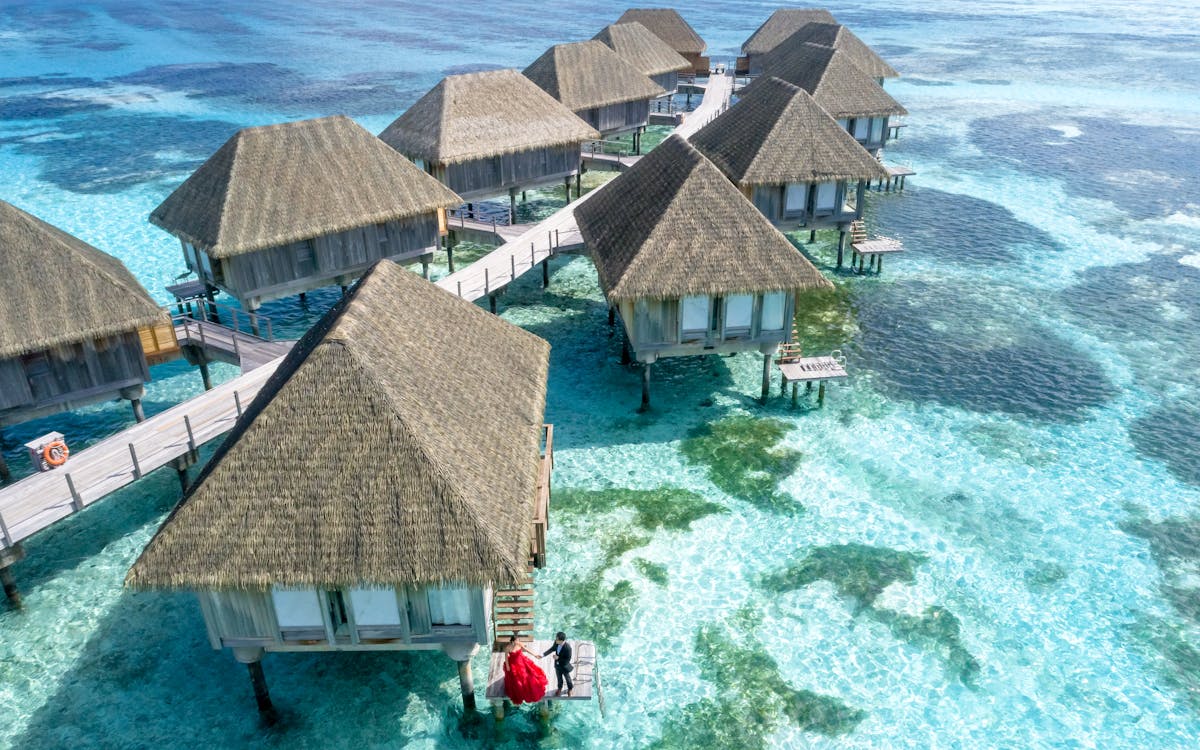
Maldives equals polished, private island luxury with calm lagoons; Mozambique offers diverse coastline, affordable diving, wildlife and authentic, uncrowded community-based experiences. Choose Maldives for convenience and upscale seclusion; choose Mozambique for variety, culture and meaningful local engagement.
If you are deciding between Mozambique and the Maldives, you’re choosing between two Indian Ocean paradises with very different personalities. The Maldives is the archetype of picture-postcard luxury: tiny private islands, crystalline lagoons and resort-led experiences. Mozambique is bigger, rougher around the edges and far more varied — long empty beaches, vibrant coastal communities, strong Portuguese-African flavours, and a stretch of coastline that rewards travellers who want something uncrowded and authentic.
Beaches
- Maldives: The beaches are flawless, white and narrow, ringed by impossibly clear, shallow lagoons. Islands are intimate and heavily curated by resorts; privacy and calm water are the hallmarks. Sandbars and turquoise shallows are ideal for swimming, snorkeling and lounging, often right off your bungalow.
- Mozambique: Beaches range from wide, windswept sand along the mainland to dune-fringed islands with coral flats (Bazaruto, Quirimbas, Benguerra, Ibo). Water is warm and clear around the reefs but tides and currents can be stronger than in the Maldives. The standout difference is space: Mozambique’s beaches are often empty, giving a sense of discovery rather than exclusivity.
Culture
- Maldives: Predominantly Islamic, with a culture shaped by seafaring, trade and influences from South Asia, Arabia and East Africa. On resort islands culture is expressed via curated performances and cuisine; visiting local islands shows a more traditional side, but there are conservative norms to respect (dress, behaviour) on inhabited islands.
- Mozambique: Deeply mixed — Bantu traditions layered with Portuguese colonial influence, Swahili coastal culture and Indian Ocean trade history. Music (marrabenta and traditional rhythms), lively markets, local crafts and everyday coastal life are visible everywhere. Community-based tourism is increasingly available: home-stays, local guides and small lodges where your visit benefits local people directly.
Costs
- Maldives: Tends to be expensive. Many resorts operate all-inclusive pricing that includes transfers, meals and activities — convenient but high-cost. Budget travellers can find guesthouses on inhabited islands, but the seaplane or speedboat transfers, resort taxes and limited local infrastructure keep typical trip prices elevated.
- Mozambique: Generally far cheaper. Accommodation ranges from backpacker hostels and mid-range lodges to high-end private islands, but even the nicer lodges usually cost less than comparable Maldives stays. Food, local travel and diving tend to be more affordable. Expect variability: remote island logistics can increase prices.
Wildlife and Marine Life
- Maldives: Outstanding for marine encounters in calm, clear lagoons — manta rays, whale sharks, reef fish and abundant corals in many atolls. Terrestrial wildlife is limited to seabirds and small local fauna.
- Mozambique: Offers a broader palette: world-class diving and snorkeling (Tofo, Bazaruto, Quirimbas) with whale sharks, manta rays and healthy reef systems, plus terrestrial wildlife inland — safaris in Gorongosa National Park, coastal mangroves, and dolphins and humpback whales off the coast. If you want a mix of marine life and African bush experiences, Mozambique is unique.
Food
- Maldives: Cuisine is fish- and coconut-based with South Asian spices — grilled fish, curries and short-eats like mas huni. Resort dining can be international and expensive; local island eateries (when accessible) are simpler and cheaper.
- Mozambique: A standout for seafood — peri-peri prawns, grilled fish, matapa (a cassava leaf and peanut dish), crab, and street-food snacks influenced by Portuguese and Mozambican flavours. Eating locally is part of the cultural experience and tends to be both delicious and affordable.
Safety
- Maldives: Generally safe for tourists with low rates of violent crime, though petty theft can occur. Respect local customs on inhabited islands and be cautious in political demonstrations. Resorts are secure environments.
- Mozambique: Many areas frequented by tourists are safe, but there are notable cautions: urban petty crime exists and the insurgency and instability in Cabo Delgado province (northern Mozambique) have impacted travel safety since 2017 — avoid affected regions and monitor advisories. Coastal and island resorts (Bazaruto, Quirimbas, Tofo) operate safely with sensible precautions. Always check current travel advisories, secure belongings and consider local guidance.
Visa Requirements and Practicalities
- Maldives: Most nationalities receive a tourist visa on arrival for 30 days (subject to passport and proof of onward travel), making entry simple. Always confirm current rules with official sources.
- Mozambique: Visa requirements vary; many nationalities can obtain visas on arrival or e-visas, but rules change and some travellers need to apply in advance. Passport validity, proof of funds and return tickets are commonly required. Check the Mozambican government or your embassy shortly before travel.
Best Time to Visit
- Maldives: November to April is the dry season — sunny, calm seas and ideal for diving and snorkeling. The monsoon (May–October) brings more rain and higher winds but can still be good for surfing and deals on accommodation.
- Mozambique: The dry season (May to October) is best for beaches, diving visibility and land safaris. November to April is hotter, wetter and has more cyclones in some years; that said, November–March can be excellent for diving in northern areas and for seeing migratory whales off the southern coast.
Unique Experiences
- Maldives: Overwater bungalows and private-island seclusion; seaplane transfers with aerial views of atolls; underwater restaurants and glass floors for marine watching; effortless snorkeling straight off the beach; highly polished luxury and honeymoon-perfect privacy.
- Mozambique: Community-based dhow trips through the Quirimbas, sleeping on remote sandbanks, and joining local fishers; diving with whale sharks and manta rays in places like Tofo and the Bazaruto Archipelago with small dive centers; cultural immersion in coastal towns — markets, live music and local festivals; safari and beach combos (Gorongosa + coastline); authentic stays in village-run lodges where tourism dollars support communities.
Which should you choose?
- Choose the Maldives if you want guaranteed calm-water snorkeling, streamlined luxury, absolute privacy, and the comfort of highly managed island resorts.
- Choose Mozambique if you prioritise variety, affordability and authenticity — if you want to step off the beaten track, meet local communities, combine marine life with African wildlife and enjoy vast, uncrowded beaches. Mozambique rewards travellers who like exploration over packaged isolation.
Practical tip: Whatever you pick, check visas, health requirements (malaria risk in Mozambique — prophylaxis advised in many areas; Maldives has limited mosquito-borne disease risk), and current travel advisories. If you care about conservation and community impact, Mozambique offers more direct ways to ensure your visit supports local people and projects.
Bottom line: The Maldives is flawless, resort-led paradise; Mozambique is a larger, more textured destination where uncrowded beaches, vibrant local culture and community-based experiences shine. If authenticity and space matter as much as coral and comfort, Mozambique is an extraordinarily rewarding choice.