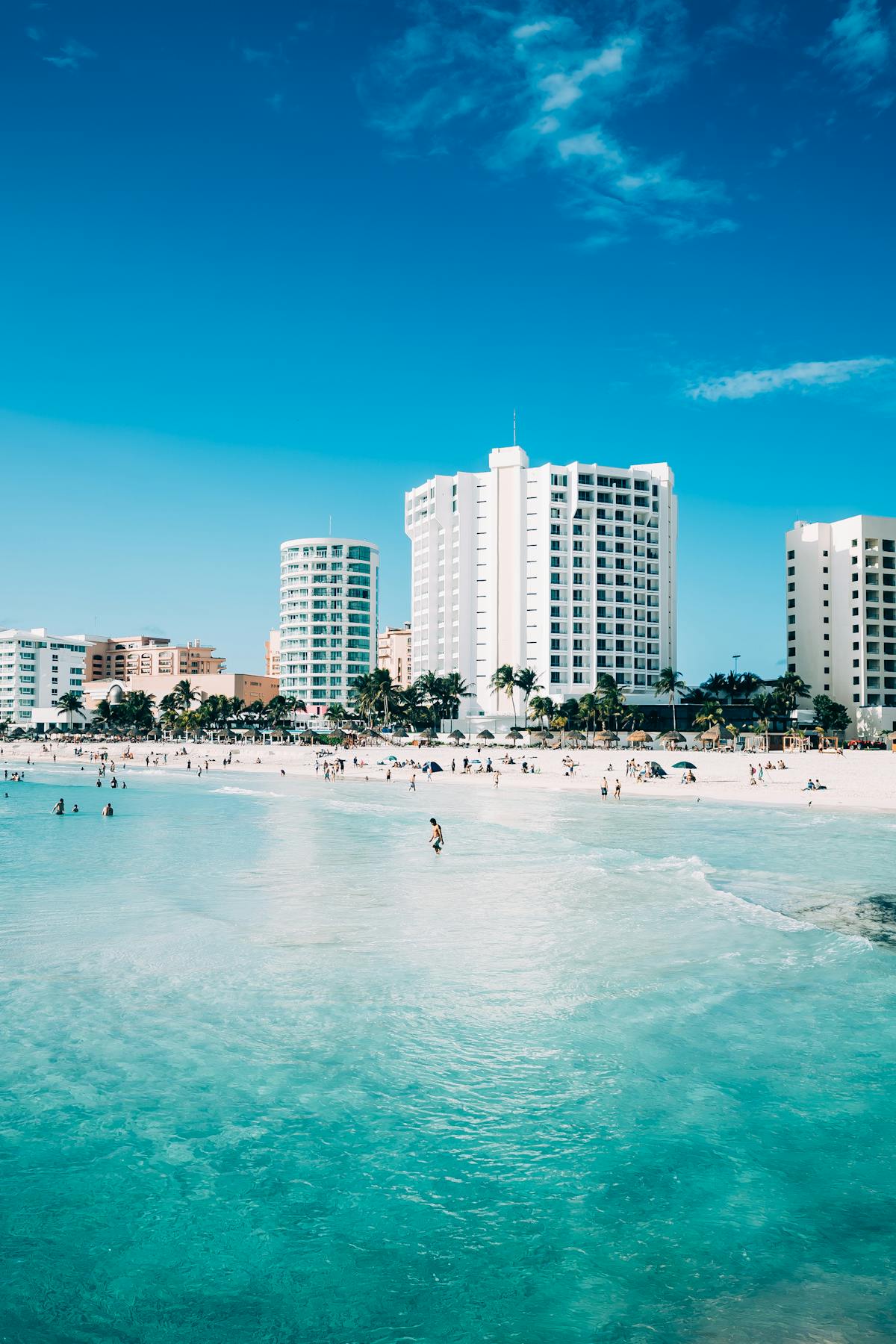
Bali offers developed tourism, temples, surf and easy affordability. Mozambique provides uncrowded beaches, community-based stays, outstanding marine life and revived safaris—better for travelers seeking authenticity and solitude, but it demands more planning and caution.
Mozambique vs Bali: a traveler’s practical comparison
Quick snapshot Mozambique and Bali share sun, sand and sea, but they deliver very different travel experiences. Bali is a highly developed island of rituals, resorts, and bustling tourism infrastructure; Mozambique offers sweeping Indian Ocean coastlines, under-visited reefs and parks, and a more authentic, community-led pace of travel.
Beaches Bali’s beaches are varied: golden sands and powerful surf on the Bukit Peninsula (Uluwatu, Padang Padang), long tourist-friendly strips at Kuta and Seminyak, and quieter coves on the east and islands like Nusa Penida. Expect developed facilities, lively beach clubs, surf schools and crowds at peak times.
Mozambique’s coastline is rawer and more extensive. From the coral-fringed islands of the Quirimbas and Bazaruto archipelagos to long empty stretches around Tofo and Ponta do Ouro, beaches are often wide, white and uncrowded. Infrastructure is more limited—that’s part of the appeal: fewer loungers, more dhow sails, and beach bars that double as community hubs. For travelers wanting space, silence and a feeling of discovery, Mozambique wins.
Culture Bali’s culture is highly visible, ritualized and omnipresent. Temples, daily offerings, dance and an arts economy built around tourism make cultural experiences accessible every day. Visitors can easily join ceremonies, take dance or cooking classes, and buy crafts.
Mozambique’s culture is layered: Afro-Portuguese coastal culture, Makonde wood-carving and mask traditions in the north and central regions, rhythmic marrabenta music, and local Islamic and Christian influences. Cultural experiences are less packaged—cultural exchange often happens organically through markets, community-led homestays and local guides. If you want an authentic encounter with everyday life rather than staged performances, Mozambique is stronger.
Costs Bali is generally inexpensive and offers exceptional value: a wide range of budget guesthouses, many cheap eateries, and a competitive private transport market. The island supports economy travelers and luxury seekers alike, often at lower price points than similar amenities elsewhere.
Mozambique can be more expensive in practice. Long distances, limited domestic flights, and fewer budget options in remote coastal or island spots push up transport and mid-range lodging costs. However, money goes far in terms of experience: you’re paying for solitude, local guides and community-based lodges rather than crowded touristic conveniences. For those seeking untouched beaches and community stays, Mozambique represents good value for unique experiences.
Wildlife Bali’s wildlife highlights are more modest: temple macaques, birdlife in the east and small protected areas. For significant marine encounters—manta rays, mola mola—nearby Nusa Penida and the Gili islands (off Lombok) are accessible, but sites can be crowded and coral has suffered in places.
Mozambique is outstanding for both marine and terrestrial wildlife. The Indian Ocean off Mozambique supports whale sharks, manta rays, humpback whales and vibrant coral systems—particularly around Tofo, Bazaruto and the Quirimbas. Inland, Gorongosa National Park has undergone a remarkable revival and offers classic African game-viewing (elephants, lions, hippos) without the crowds of more famous safari destinations. For travelers who want marine megafauna plus off-grid safari experiences, Mozambique is hard to beat.
Food Bali is culinary-friendly with a huge range: Balinese and Indonesian dishes (babi guling, nasi campur, babi kakap), abundant vegetarian and health-focused cafés and a strong international dining scene. Street food is accessible and flavorful.
Mozambique’s cuisine is coastal and seafood-forward: freshly grilled prawns, peri‑peri-style prawns or chicken, matapa (cassava leaf stew), and influences from Portugal and neighboring African cuisines. Dining is often simple, fresh and tied to community-run beach shacks and market stalls—less variety than Bali’s metropolitan dining scene but more of a direct connection to place and people.
Safety Both destinations are generally safe for tourists when common-sense precautions are taken, but they differ in risk profiles. Bali’s main hazards are petty theft, motorbike accidents and occasional scams—tourism infrastructure tends to make emergency help easier to access.
Mozambique requires a more cautious approach. Tourist areas are usually safe by day and for organized activities, but there are regions (notably parts of the far north) with security concerns; petty crime and opportunistic theft occur in urban centers. Medical and rescue infrastructure is sparser, especially on remote islands. Always check up-to-date travel advisories, register itineraries, use trusted operators, and avoid politically unstable areas.
Visa requirements Indonesia (Bali) and Mozambique both offer relatively straightforward entry options for many nationalities, but rules differ by passport. Indonesia has visa-free entry or visa-on-arrival for many countries (often 30 days) and e-visa options for longer stays; extensions are possible but must be handled legally.
Mozambique has an e-visa program and visa-on-arrival in some cases, with lengths and fees varying by nationality. Entry rules can change; always verify current requirements with official embassy sites before travel.
Best time to visit Bali’s dry season—April through October—is the most popular time, with warm, sunny days and minimal rain. Surf peaks in different months depending on the break. High season is July–August and late December.
Mozambique’s sweet spot is the dry, cooler months—roughly May to October—when beaches are pleasant, roads are more passable and wildlife viewing inland improves. For diving and marine megafauna, late spring to early summer in some regions brings better visibility and animal activity—check local dive operators for regional seasonality (Tofo, Bazaruto and the Quirimbas each have different peaks).
Unique experiences Bali’s highlights: attending a temple ceremony, staying in a villa among rice terraces, surf culture and high-quality wellness retreats, easy day trips to art villages, volcano hikes (Mount Batur) and a cosmopolitan dining scene.
Mozambique’s unique offerings are more about space and local connection: dhow safaris between islands, community-led homestays in fishing villages, remote liveaboard diving on reefs with few other divers, Gorongosa’s restorative safari experience, and Makonde cultural encounters. For photographers and travelers wanting solitude and a sense of giving back through community-based tourism, Mozambique’s strengths are clear.
Which should you choose? If you want convenience, a dense cultural calendar, a huge range of accommodations and an easy mix of nightlife, wellness and surf, Bali is the pragmatic, affordable pick. If you value solitude, expansive and uncrowded beaches, genuine community interaction and exceptional marine and increasingly strong terrestrial wildlife, Mozambique is the more rewarding—and often more authentic—choice. It requires a bit more planning and flexibility but delivers experiences that feel rare in today’s over-visited world.
Practical tips
- Book trusted local operators for diving, safaris and island transfers in Mozambique; many experiences are community-run and worthwhile, but quality varies. - In both places, learn basic local phrases and respect religious and cultural norms; dress and behavior at Balinese temples is particularly important. - Check the latest travel advisories and health guidance (vaccinations, malaria prophylaxis) for Mozambique; carry travel insurance that covers medical evacuation if you’ll be remote. - If you’re short on time and want a low-friction holiday, Bali’s infrastructure will save you time; for slow travel and meaningful encounters, Mozambique rewards the effort.
Bottom line Bali and Mozambique cater to different traveler temperaments. Bali excels at accessible cultural richness and well-developed tourism; Mozambique shines with uncrowded beaches, authentic community-led experiences and spectacular marine and wild spaces. Choose based on whether you prioritize convenience and variety (Bali) or solitude, authenticity and reef-and-safari adventure (Mozambique).