Niassa is generally safe if you plan ahead: take malaria prophylaxis and insect precautions, avoid night driving, use reputable guides, drink bottled or treated water, and carry travel insurance with medevac. Emergency numbers: police 117, fire 115, ambulance 118.
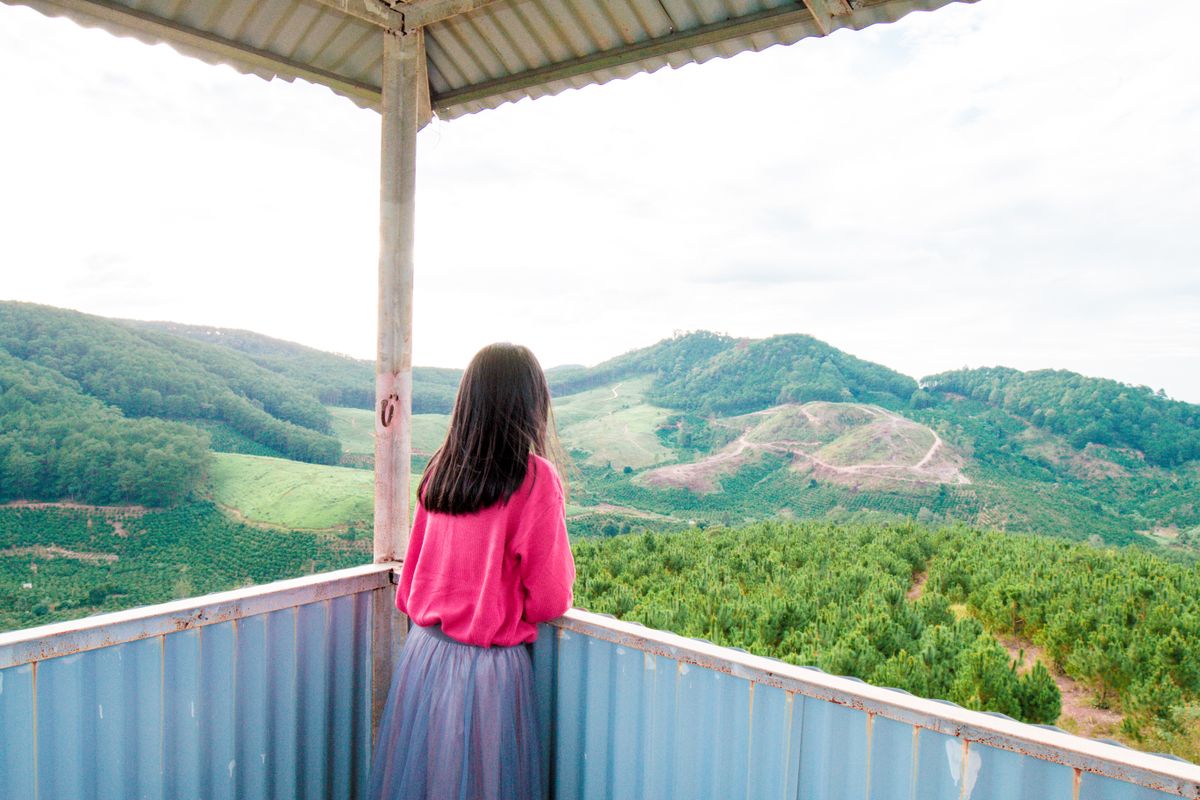
Niassa province is one of Mozambique’s most remote, wild and rewarding regions. With low population density, sweeping miombo woodlands and the Niassa Reserve, it attracts safari-goers and adventurous travelers. That remoteness shapes the safety picture: risks are generally manageable if you plan ahead, keep common-sense precautions, and travel with reputable operators.
Crime levels Niassa is not a high-crime tourist hub like some large cities, and violent crime against foreigners is comparatively rare. Petty theft, opportunistic theft from parked cars, and occasional robberies can occur—especially in towns after dark or at poorly lit bus stops. Avoid displaying valuables, lock vehicles, use hotel safes, and be cautious when using ATMs. If you travel to border areas or very isolated roads, be aware that law enforcement presence is limited.
Health risks Malaria is the single biggest health risk in Niassa. Take antimalarial prophylaxis recommended by your doctor, use insect repellent containing DEET (30–50%), wear long sleeves and treated clothing, and sleep under an intact, treated mosquito net. Routine vaccinations should be up to date; Hepatitis A and typhoid vaccines are commonly advised for travel in Mozambique. Consider rabies pre-exposure vaccination if you will spend a lot of time outdoors or in remote locations where post‑exposure care may be delayed. Waterborne illnesses (diarrhea, cholera outbreaks occasionally) are possible—see below for water and food safety. For serious medical incidents, evacuation to Maputo or South Africa may be required; ensure you have comprehensive travel insurance with medevac coverage.
Road safety Roads in Niassa vary from paved between a few towns to rough, unpaved tracks across much of the province. Seasonal rains (rainy season: November–April) can make tracks impassable. Drive during daylight, in a well-maintained 4x4 if you are going off the main routes, and avoid night driving—limited lighting, livestock and wildlife on the road, and the greater risk of breakdowns or opportunistic theft make night travel unsafe. If hiring drivers or guides, use reputable operators who know local conditions. Carry spare fuel, tools, a satellite phone or GPS locator for very remote travel, and basic repair supplies.
Political stability Niassa is generally stable, but Mozambique has experienced unrest in the north (notably Cabo Delgado province) in recent years. Niassa has not been a focus of those insurgencies, but conditions can change. Check up‑to‑date travel advisories from your government before you go, avoid demonstrations and political gatherings, and follow guidance from local authorities and your accommodation or tour operator.
Water and food safety Tap water in Niassa is not reliably safe to drink. Use bottled, boiled, or properly filtered water for drinking and brushing teeth. Treat or boil water if bottled water is unavailable. For food: favor freshly cooked hot meals, avoid raw salads and uncooked shellfish, and eat fruit you can peel yourself. Street food can be popular but carries higher risk—choose busy stalls with high turnover and good hygiene if you plan to eat street food. Carry oral rehydration salts and basic anti‑diarrheal supplies.
Emergency numbers and support
- Police: 117
- Fire brigade: 115
- Ambulance/medical emergency: 118
- Mobile emergency (may work in some areas): 112 Note: Emergency response times can be long in remote areas. Identify the nearest clinic or hospital in Lichinga or at your lodge and have contact details for your embassy or consulate. Carry comprehensive travel insurance that covers emergency evacuation and medevac.
Practical safety tips
- Travel with reputable tour operators and local guides familiar with Niassa’s roads, wildlife and seasonal conditions. Lodges and camps often provide transfers and guidance.
- Register with your embassy or consulate and leave your itinerary with family or friends.
- Pack a well‑equipped first‑aid kit, malaria meds, and any prescription medicines in original packaging with a copy of the prescription.
- Use secure transport: lock vehicles, keep luggage out of sight, and don’t accept rides from unauthorised strangers.
- Avoid walking alone after dark in towns; stick to well-lit hotel areas.
- Respect wildlife: keep a safe distance, never walk on foot into game areas without an experienced guide, and follow lodge and reserve rules for game drives.
- Carry sufficient cash (Mozambican metical) as ATMs are limited outside Lichinga and larger towns. Credit cards may not be accepted in remote lodges.
- Listen to local advice about seasonal road conditions, river crossings and malaria risk.
- Keep digital and paper copies of passport, insurance, emergency contacts and vaccination records.
Final note Millions of travelers visit Mozambique and Niassa safely each year by preparing sensibly. The province’s greatest risks stem from remoteness—limited medical facilities, rough roads and variable communication—rather than widespread crime. With malaria precautions, good travel insurance, an experienced local operator and basic situational awareness, Niassa can be explored confidently and comfortably.