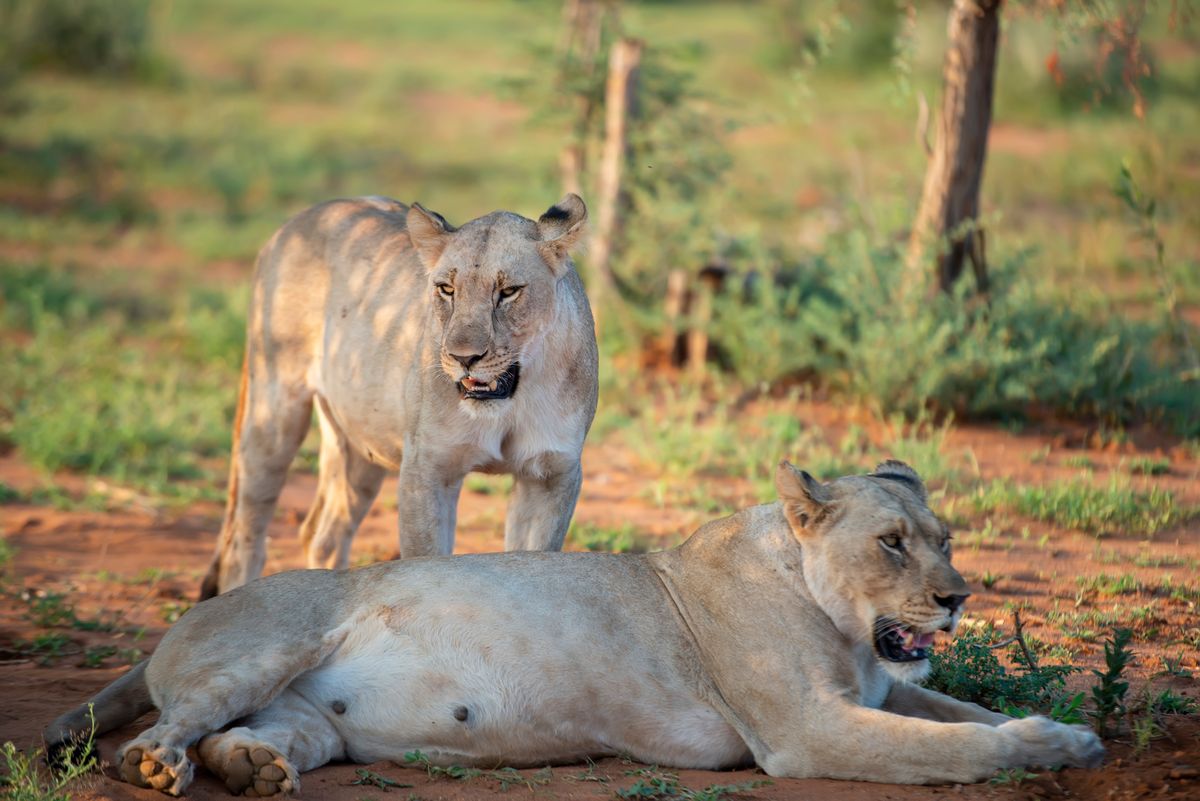
Imagine standing in the middle of Gorongosa's floodplain, lions in the distance, wind in your hair — all from your smartphone. VR previews are making this real for Mozambican tourism.
The Booking Hesitation Problem
Before booking a $2,000 safari in Mozambique, most travelers ask: What will it actually look like? Online photos are curated. Reviews are subjective. And Mozambique, despite being one of Africa's most beautiful destinations, suffers from low brand awareness — many travelers simply haven't seen enough to commit.
This is where Virtual Reality (VR) changes everything.
360° Panoramic Experiences
Nendeni.com is implementing 360° panoramic photography at priority listings across Mozambique. Using specialized cameras, photographers capture immersive spheres at key locations:
- Gorongosa floodplain: Elephant herds at waterholes during dry season
- Tofo Beach: Whale shark feeding grounds from the dive boat
- Ilha de Moçambique: Stone Town streets and fortifications at golden hour
- Bazaruto dunes: Archipelago panorama from the top of towering sand dunes
Travelers access these on listing pages by simply dragging their finger — no VR headset required. On mobile with ARCore or ARKit, they can view AR overlays of cultural artifacts like Makonde carvings or Ibo silver filigree placed on their real-world surfaces.
How VR Builds Trust
The data is clear: listings with 360° previews see a 22% higher booking conversion rate than those with standard photos alone. Why?
-
Transparency: A 360° panorama can't hide anything. What you see is what you get. For community tourism, this means travelers see the actual lodge, the real community, the authentic experience — not a photoshopped fantasy.
-
Emotional connection: Standing "inside" a panorama of a Gorongosa sunset creates a visceral desire to be there. It transforms "maybe someday" into "I need to go."
-
Accessibility: Travelers with disabilities, anxiety about unknown destinations, or limited travel experience can "visit" before committing. VR democratifies the decision to travel.
The Technology Behind It
The VR component uses Three.js for WebGL-based 360° rendering — no app download required, works directly in the browser. The sphere geometry is inverted so the viewer stands "inside" the photo, looking outward. Touch and drag controls let users explore in any direction.
For devices without WebGL, the system gracefully falls back to a standard photo gallery. No traveler is excluded.
What's Next: Full VR Expeditions
Phase 2 of the VR initiative envisions full virtual expeditions: a guided VR tour of Gorongosa where a real park ranger narrates as you "walk" through different ecosystems. This could be experienced in VR headsets at travel expos in Berlin, London, and New York — bringing Mozambique to travelers who haven't even decided to visit Africa yet.
For community tourism, VR is more than a marketing tool — it's a trust engine. When travelers can see the community they'll be visiting, the impact their money will have, and the beauty they'll experience, booking hesitation disappears.
Explore Gorongosa and other Mozambican destinations on nendeni.com.