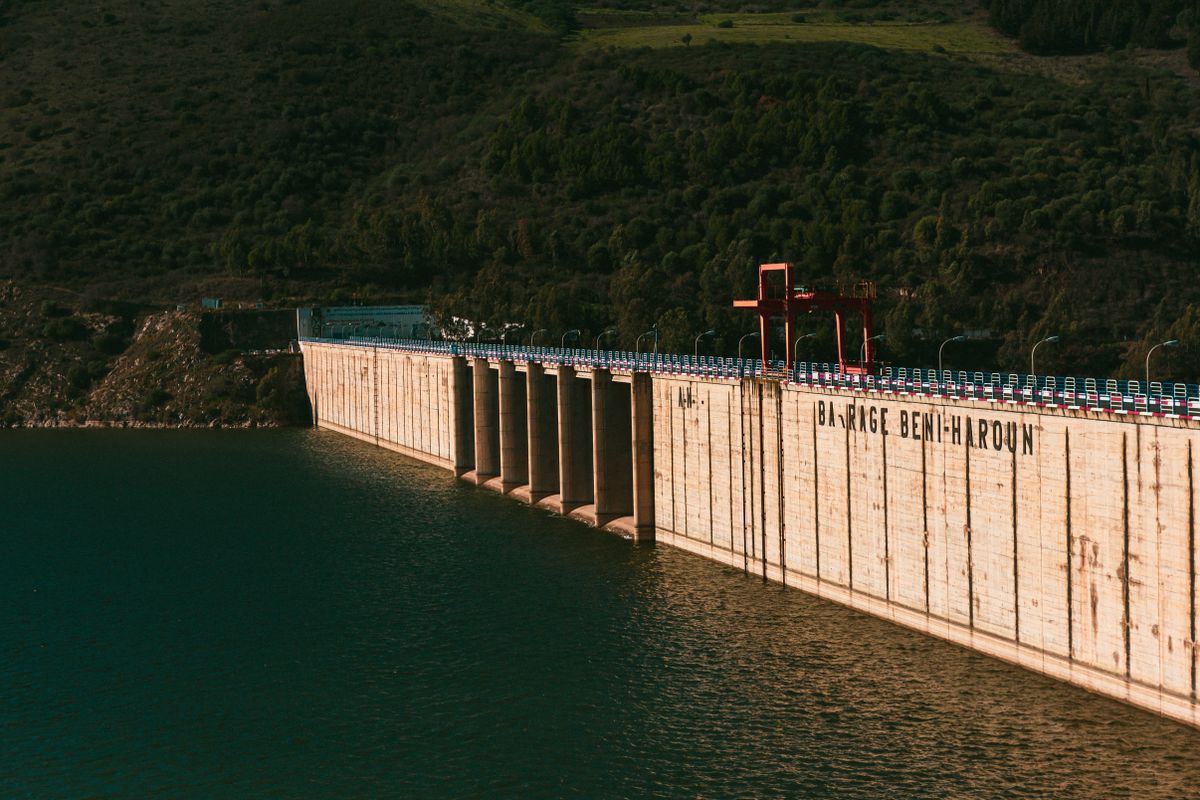
Tete is Mozambique's powerhouse — home to the colossal Cahora Bassa Dam, vast coal reserves, and the Zambezi River at its most dramatic. It's not a typical tourist destination, which is exactly why it rewards the curious.
Tete Province: Dams, Coal & The Mighty Zambezi
Tete doesn't appear on most Mozambique travel itineraries, and that's precisely its appeal. This vast, sunbaked province in the west of the country is where the Zambezi River carves through gorges 500 meters deep, where one of Africa's largest hydroelectric dams holds back a 250-km lake, and where communities fish the same waters their ancestors have for centuries.
Understanding Tete
Geography
Tete is Mozambique's second-largest province (98,429 km²), bordered by Malawi to the northeast, Zambia to the northwest, Zimbabwe to the south, and the Mozambican provinces of Niassa, Nampula, Sofala, and Manica. The Zambezi River — Africa's fourth-longest — bisects the province, flowing from west to east.
Climate
Tete is the hottest province in Mozambique. Summer temperatures regularly exceed 40°C (104°F), with Tete City recording some of the highest temperatures in southern Africa. The dry season (May–September) is the only comfortable time to visit, with pleasant 25–30°C days.
People
The dominant ethnic groups are the Nhungwe and Sena peoples, with significant Chewa and Tonga communities. Portuguese is widely spoken, but local languages — particularly Nhungwe and Sena — are the heart languages. Islam has a long presence along the Zambezi corridor, a legacy of Arab-Swahili trade routes.
Top Experiences
1. Cahora Bassa Dam & Reservoir
The engineering marvel that reshaped the Zambezi. Completed in 1974 (just before independence), Cahora Bassa is one of Africa's largest hydroelectric dams, standing 171 meters tall and holding back a reservoir stretching 250 km.
What to do:
- ** viewpoints** on the road from Tete to Songo offer spectacular views of the dam wall and the gorge below.
- Lake Cahora Bassa offers tiger fishing (one of Africa's best freshwater sport fishing destinations), boat cruises, and birdwatching.
- Songo town sits above the dam and offers accommodation with panoramic reservoir views.
- The dam's visitor center explains the controversial history — built during the colonial era, the dam flooded vast ancestral lands and displaced thousands of local people, a wound that still resonates.
2. Tchuma Tchato Community Conservation
One of Mozambique's pioneering community-based conservation programs, Tchuma Tchato ("our wealth" in Sena) demonstrates how communities can manage wildlife sustainably. Located in the Cahora Bassa area, the program allows local communities to benefit directly from tourism and hunting revenues.
What to do:
- Game viewing (elephants, buffaloes, hippos, crocodiles)
- Community-led cultural tours
- Fishing on the Zambezi
- Learning about the community benefit model — see our Tchuma Tchato article for the full story.
3. The Zambezi River
The Zambezi defines Tete. Beyond the dam, the river spreads into floodplains and deltas teeming with birdlife.
What to do:
- Cahora Bassa community homestay — stay with a fishing family along the riverbanks. Experience the rhythm of river life: morning fishing, afternoon storytelling, evening feasts of fresh catch.
- Birdwatching — the Zambezi floodplains host African fish eagles, saddle-billed storks, carmine bee-eaters (who nest in riverbanks in massive colonies), and Pel's fishing owls.
- Canoeing — explore quiet channels and backwaters, observing hippos, crocodiles, and riverine birdlife.
4. Tete City
Tete city (population ~300,000) is a frontier town — bustling, dusty, and unapologetically real. It's a transit hub rather than a destination, but worth a stop for:
- Tete Suspension Bridge — built by the Portuguese in the 1960s, this iconic bridge spans the Zambezi and offers sunset views.
- Mercado Central — chaotic, colorful, and the best place to buy dried fish (mpapa), cassava, and local crafts.
- The coal mining boom — massive coal trains rumble through the city, a reminder of the billions in coal exports from Moatize. The contrast between this wealth and local poverty is stark.
5. Zobue Border & Mount Fingo
The westernmost point of Mozambique, near the border with Malawi. The area around Zobue is mountainous, cooler, and features Mount Fingo — a dramatic inselberg rising from the plateau. The border market at Zobue is a fascinating crossroads of Malawian, Mozambican, and Zambian traders.
Culture & Heritage
The Nhungwe People
The Nhungwe are the indigenous people of the Tete highlands. Traditionally agriculturalists, they have a rich oral tradition of storytelling, music played on the marimba (xylophone), and spiritual practices connected to the Zambezi and ancestral spirits. The Gule Wamkulu (Nyau) masquerade tradition, shared with the Chewa people, involves elaborate masks and secret societies — a UNESCO Intangible Cultural Heritage.
Sena People
The Sena people inhabit the Zambezi valley floor. Historically traders and farmers, they were among the first to encounter Portuguese explorers in the 16th century. Sena culture blends Bantu, Swahili, and Portuguese influences — visible in their music, cuisine (particularly the use of coconut), and architecture (many traditional houses still feature the distinctive conical thatch).
The Spirit of the Zambezi
The Zambezi is not just a river in Tete — it is a spiritual entity. Local beliefs hold that the river's spirit, Nyaminyami, is a serpent-like creature that controls the waters. The building of Cahora Bassa disturbed Nyaminyami, according to tradition, which is why the dam has faced so many challenges. This spiritual connection to the river shapes how communities interact with their environment — a worldview that modern conservation is beginning to recognize as inherently sustainable.
How to Get There
- By air: LAM flies Maputo–Tete (Chingozi Airport, TET), about 1.5 hours.
- By road: The EN1 highway connects from the south (via Beira, ~8 hours from Beira to Tete). The road is paved but in variable condition.
- From Malawi: Enter via the Zobue border post (near Blantyre), about 4 hours.
Where to Stay
- Cahora Bassa community homestays — the most authentic experience, run by riverside families.
- Songo guesthouses — basic but comfortable, with dam views.
- Tete City hotels — Hotel Farie and CC Tete are functional options.
- Ugezi Game Lodge — on the lake shores, offering fishing and wildlife.
The Bottom Line
Tete is raw Mozambique — the country's industrial engine, its hottest frontier, and the place where the Zambezi reveals its power. It won't give you pristine beaches or luxury lodges. What it offers is something more valuable: a glimpse into the real forces shaping modern Mozambique — energy, extraction, conservation, and the communities navigating all three. Come for Cahora Bassa, stay for the river people.