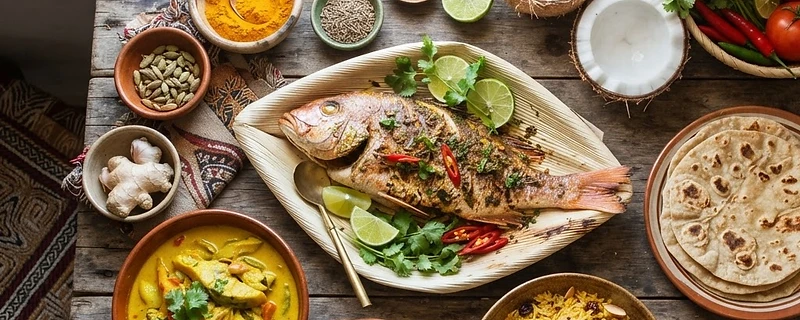
Cabo Delgado's cuisine is a map of the Indian Ocean — Arab spices, South Asian techniques, Swahili coconut traditions, all meeting in one of Africa's most distinctive culinary regions.
Where the Spice Trade Left Its Flavour
The coast of Cabo Delgado has been a crossroads of the Indian Ocean trade for over a thousand years. Arab dhow merchants, Swahili traders, and eventually Portuguese colonizers all passed through these waters, and each left something behind. The most delicious legacy is in the food.
Cabo Delgado's cuisine is distinct from the rest of Mozambique. It is spicier, more aromatic, and more clearly influenced by the Arab and Swahili trading networks that connected the East African coast to the spice markets of Zanzibar, the Persian Gulf, and India.
If you eat your way through Cabo Delgado, you are tasting a map of the Indian Ocean.
The Flavours of the Trade Routes
Piri-Piri's Northern Cousin
The piri-piri that defines Mozambican cuisine nationwide has a different character in Cabo Delgado. Here, the chilli is often combined with garlic, ginger, and coconut milk to create a sauce that is less aggressive and more complex than the fiery piri-piri of the south. This reflects the Arab influence — the use of layered, aromatic spices rather than pure heat.
Coconut in Everything
Coconut milk and grated coconut appear in nearly every Cabo Delgado dish — a legacy of the coconut plantations that lined the coast. Fish is simmered in coconut milk. Rice is cooked in coconut water. Vegetables are sautéed with grated coconut. Even the bread — pão de coco — is made with coconut flour.
Spiced Rice
In Cabo Delgado, rice is not a plain side dish. It is cooked with cinnamon, cardamom, and cloves — spices that arrived on Arab dhows centuries ago. The result is a fragrant, golden rice that could be served in a Mumbai home or a Zanzibar street stall.
Samosas and Bhajias
The Indian Ocean trade brought South Asian culinary traditions to the Swahili coast. In Cabo Delgado, you'll find samoosas (samosas) and bhajias (fried lentil or chickpea fritters) sold on every street corner in Pemba and Mocímboa da Praia. They are eaten with a green mango chutney that could have come directly from a market in Mombasa.
Matapa with a Northern Twist
Matapa — the cassava leaf stew that is Mozambique's national dish — is made differently in Cabo Delgado. Instead of just ground peanuts, northern matapa often includes fresh coconut, dried shrimp, and a pinch of garam masala — a spice blend that reflects the South Asian connection.
A Typical Cabo Delgado Meal
A traditional feast in a Cabo Delgado home might include:
- Caldeirada de peixe: Fish stewed in coconut milk with onions, garlic, ginger, and tomato, served with spiced rice.
- Matapa: Cassava leaves ground with coconut and peanuts, enriched with dried shrimp.
- Samoosas: Triangular pastries filled with spiced fish or beef.
- Salada de manga: Green mango salad with onion and chilli — sharp, crunchy, refreshing.
- Bolinhos de coco: Coconut fritters dusted with cinnamon sugar.
- Chá de coco: Sweet coconut tea, a legacy of the Arab tea-drinking tradition.
Where to Eat
In Pemba — the safest city in Cabo Delgado for travellers — the market and waterfront offer the best eating:
- Mercado Central: Fresh fish, spices, and coconuts. Buy ingredients and ask a local cook to prepare them, or eat at the small stalls around the market's edge.
- Waterfront stalls: Grilled fish with piri-piri, served with xima and matapa. Cheap, fresh, and unforgettable.
- Restaurants in Wimbe Beach area: More tourist-oriented but still authentic. Look for places where locals are eating.
For travellers visiting Ibo Island, the food is even more traditional — cooked over open fires, using fish caught that morning and coconuts from the island's trees.
A Note on Safety
Cabo Delgado has been affected by insurgency in its northern districts since 2017. Food experiences should be limited to safe zones — primarily Pemba and Ibo Island. Always check current travel advisories before visiting. The communities in safe zones need tourism more than ever. Check nendeni.com's safety page for the latest province-level status.
Taste the History
When you eat in Cabo Delgado, you are not just eating a meal. You are tasting a thousand years of trade — the spices of Zanzibar, the techniques of South Asia, the fish of the Indian Ocean, and the coconut palms that have lined this coast since before anyone wrote its history down.
Every bite is a story. Every spice is a voyage.
Find ethical stays and cultural experiences in Cabo Delgado at nendeni.com.