Mozambique is one of Africa's best whale watching destinations — humpback whales migrate June–September, whale sharks are year-round in Tofo, and wild dolphin encounters happen in Ponta do Ouro. Complete guide with spots, seasons, and ethical guidelines.
Mozambique Whale Watching: Humpbacks, Dolphins & Whale Sharks
Mozambique's 2,800 km coastline sits directly in the path of one of nature's greatest migrations — humpback whales traveling from Antarctica to breed in warm tropical waters. Add year-round whale sharks and resident dolphins, and Mozambique is one of Africa's premier marine wildlife destinations.
The Big Three
1. Humpback Whales (June–September)
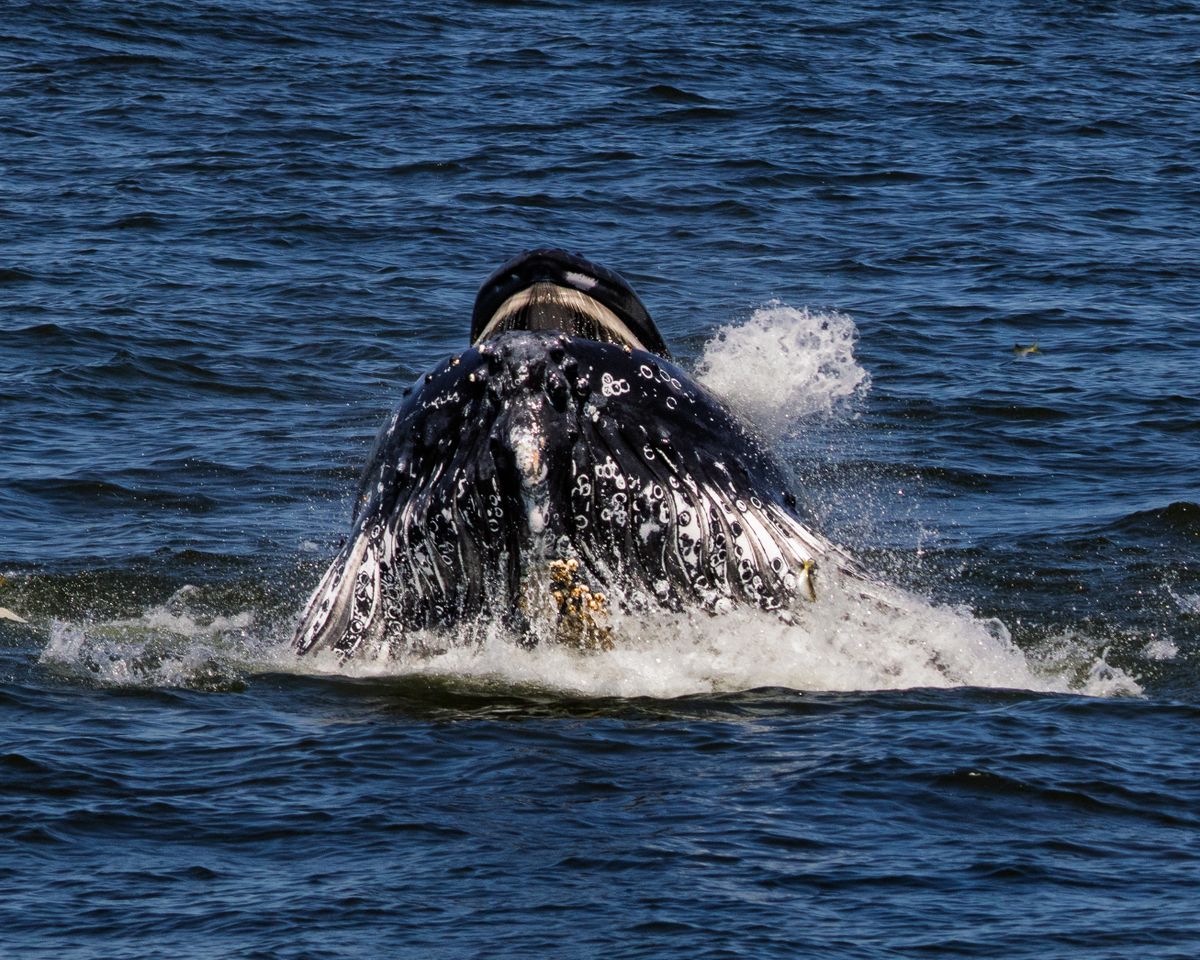
Every year, humpback whales travel 5,000 km from their Antarctic feeding grounds to Mozambique's warm waters to mate, give birth, and nurse their calves.
- Where: Entire coastline, but best in Inhambane (Tofo), Bazaruto, and Ponta do Ouro
- What you'll see: Breaching (jumping fully out of water), tail slapping, pectoral fin waving, and — if you're diving — singing underwater (humpback songs can be heard from kilometers away)
- Best time: June–September (peak August)
- Cost: $40–80 for a whale watching boat trip; often combined with snorkeling
- Ethical guideline: 100m minimum distance, no more than 3 boats near a whale at once, no approaching head-on
2. Whale Sharks (Year-Round in Tofo)
Tofo Beach is one of the best places on Earth to swim with whale sharks — the world's largest fish, reaching 12 meters. Tofo has resident individuals that are identified by their unique spot patterns.
- Where: Tofo (year-round, peak October–March), Bazaruto (October–February)
- What you'll experience: Snorkeling alongside a 8–10 meter gentle giant as it feeds on plankton
- Cost: $40–60 for ocean safari
- Ethical code: 3m minimum distance, no touching, no blocking their path, max 4 swimmers at once, no flash photography
- Conservation: Whale sharks are endangered. Research groups in Tofo (Marine Megafauna Foundation) use tourist photos for population studies.
3. Dolphins (Year-Round)
Bottlenose dolphins are resident year-round in Ponta do Ouro, where one of Africa's only ethical wild dolphin swim programs operates.
- Where: Ponta do Ouro (best), Bazaruto, Quirimbas
- Species: Bottlenose (most common), spinner (deep water), Indo-Pacific humpback (rare, coastal)
- Cost: $35–55 for dolphin encounter
- Ethical code: Max 10 minutes per encounter, no touching, max 4 swimmers, dolphins always have right of way
Other Marine Life
Manta Rays
- Where: Tofo (Manta Reef cleaning stations), Bazaruto
- Species: Both reef mantas (2–5m wingspan) and giant mantas (5–7m)
- Year-round, more common in summer
- Cost: Included in dive/snorkel trips
Sea Turtles
- 5 species nest on Mozambican beaches: green, loggerhead, hawksbill, leatherback, olive ridley
- Nesting season: November–February
- Hatching: 50–60 days after nesting
- Where: Bazaruto, Quirimbas, Ponta do Ouro, Tofo
- Ethical watching: Use red lights only at night, stay 5m back, never touch
Dugongs (Critically Endangered)
- Where: Bazaruto Archipelago only (~250 remaining — the last viable population in the Western Indian Ocean)
- Sightings are rare and special — usually boat-based, not in-water
- Never approach or disturb — they are critically endangered
Best Spots Summary
| Location | Humpbacks | Whale Sharks | Dolphins | Mantas | Turtles | |----------|-----------|-------------|----------|--------|---------| | Tofo | ✓ Jun-Sep | ✓ Year-round | ✓ | ✓ | ✓ Nov-Feb | | Bazaruto | ✓ Jun-Sep | ✓ Oct-Feb | ✓ | ✓ | ✓ Nov-Feb | | Ponta do Ouro | ✓ Jun-Sep | Rare | ✓ Best | Rare | ✓ Nov-Feb | | Quirimbas | ✓ Jun-Sep | Rare | ✓ | Rare | ✓ Nov-Feb |
Practical Tips
- Best months for all species: August–October (humpbacks + whale sharks overlap)
- Morning trips are calmer — less wind, better visibility
- Seasickness medication — essential for whale watching (30 min before)
- Bring your own mask & snorkel — for in-water encounters
- Rash vest or 3mm wetsuit — protection from sun and jellyfish
- Underwater camera — but no flash near whale sharks
- Book through community-verified operators — supports local economy and ensures ethical practices
Find ethical marine wildlife operators at nendeni.com.