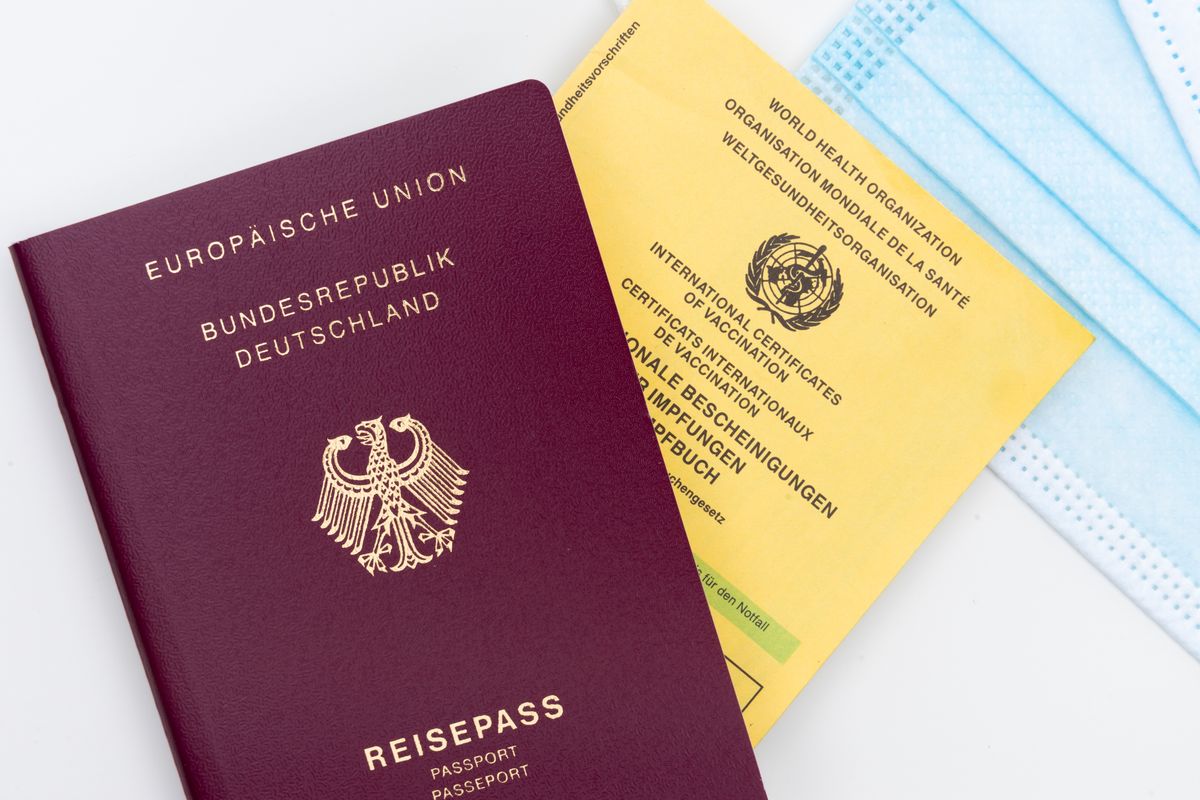
Malaria is the headline, but there's more to staying healthy in Mozambique. Here's the complete guide to vaccinations, prophylaxis, water safety, and what to pack in your travel medical kit.
Mozambique Health & Vaccination Guide: What Travelers Need to Know
Staying healthy in Mozambique is straightforward with proper preparation. Here's everything you need before, during, and after your trip.
Required & Recommended Vaccinations
Required
- Yellow Fever: Required if arriving from a country with risk of yellow fever transmission (includes most of West and Central Africa). Not required if arriving directly from Europe, the US, or South Africa.
Strongly Recommended
- Hepatitis A: For all travelers. Transmitted through contaminated food and water.
- Typhoid: For all travelers, especially those visiting rural areas or eating street food.
- Hepatitis B: For long-stay travelers, those who may have medical procedures, or anticipate contact with blood.
- Rabies: Pre-exposure prophylaxis recommended for travelers going to remote areas (Niassa, Tete, northern provinces) where dog populations are unvaccinated and post-exposure treatment may not be available within 24 hours.
- Tetanus-Diphtheria-Pertussis: Ensure booster is current (within 10 years).
Consider Based on Itinerary
- Cholera: Outbreaks occur periodically, particularly during the rainy season in urban areas with poor sanitation. The oral cholera vaccine may be recommended during active outbreaks.
- Meningococcal: Consider if visiting during the dry season (December–June) in the northern belt, part of the African meningitis belt.
Malaria: The Big One
Malaria is endemic throughout Mozambique year-round. Transmission is highest during and just after the rainy season (November–April), but risk exists everywhere, always.
Prevention Protocol
- Take antimalarial medication — Atovaquone-proguanil (Malarone), doxycycline, or mefloquine. Consult your travel medicine specialist 4–6 weeks before departure.
- Sleep under insecticide-treated bed nets — All quality lodges provide them. In budget accommodation, bring your own permethrin-treated net.
- Use DEET-based repellent (20–30% concentration) on exposed skin, especially at dawn and dusk.
- Wear long sleeves and trousers in the evenings.
- Seek immediate medical attention if you develop fever >38°C during or after travel. Malaria can be fatal if untreated.
Important: Malaria Symptoms
Fever, chills, headache, muscle aches, fatigue, and nausea — easily mistaken for flu. If you feel unwell during or up to a year after visiting Mozambique, mention your travel history to any healthcare provider.
Water & Food Safety
- Tap water: Not safe to drink anywhere in Mozambique. Use bottled, filtered, or boiled water. This includes for brushing teeth.
- Ice: Avoid unless you're certain it's made from purified water (most quality lodges use safe ice).
- Street food: Exercise caution. Eat where locals eat in high turnover — food cooked fresh in front of you is generally safe. Avoid raw salads and peeled fruit from street vendors.
- Restaurants: Established restaurants in Maputo, Beira, and tourist areas maintain good standards. In rural areas, stick to hot, freshly cooked meals.
Other Health Risks
Schistosomiasis (Bilharzia)
Freshwater lakes and rivers throughout Mozambique carry schistosomiasis. Do not swim or wade in freshwater — including Lake Niassa, the Zambezi, and any river. Saltwater and properly chlorinated pools are safe. If you do have freshwater exposure, get tested with a stool/urine sample 6–8 weeks after exposure. Treatment is a single dose of praziquantel.
Dengue & Mosquito-Borne Viruses
Dengue fever occurs in Mozambique, particularly during the rainy season. There is no prophylaxis — prevention is mosquito avoidance (same measures as malaria, but Aedes mosquitoes bite during the day). Chikungunya and Zika have also been reported.
Sun & Heat
The Mozambican sun is intense. Use SPF 50+ sunscreen, wear a hat, and hydrate aggressively. Heat exhaustion is common among travelers who underestimate the combination of heat and humidity.
HIV/AIDS
Prevalence is approximately 11.5% among adults. Travelers should exercise standard precautions. PEP (post-exposure prophylaxis) is available at major hospitals in Maputo and Beira.
Your Travel Medical Kit
Essential items for Mozambique:
- Antimalarial medication (as prescribed)
- Insect repellent (DEET 20-30%)
- Sunscreen SPF 50+
- Oral rehydration salts (ORS)
- Anti-diarrheal medication (loperamide)
- Antibiotic for traveler's diarrhea (azithromycin — ciprofloxacin resistance is common in southern Africa)
- Antihistamine tablets and cream
- Pain/fever medication (paracetamol/ibuprofen)
- Plasters and antiseptic
- Tweezers (for tick removal)
- Water purification tablets or filter
- Permethrin-treated bed net (if staying in budget accommodation)
Medical Facilities
- Maputo: Several private clinics offer good quality care — Clínica Cruz Azul, Clínica Sommerschield, and the Maputo Private Hospital. Emergency evacuation is possible.
- Beira: Beira Central Hospital handles emergencies; private clinics available but limited.
- Provincial capitals: Basic care available. Complex cases will require evacuation to Maputo or South Africa.
- Rural areas: Extremely limited. Carry comprehensive travel insurance with medical evacuation coverage.
Travel insurance is non-negotiable. Ensure your policy covers medical evacuation to South Africa or your home country. Verify coverage for adventure activities (diving, hiking) if planned.
The Bottom Line
Mozambique is a healthy destination with the right preparation. Visit a travel medicine clinic 4–6 weeks before departure, take your malaria prophylaxis religiously, drink only safe water, and carry a well-stocked medical kit. With these basics covered, Mozambique rewards you with some of Africa's most beautiful and unspoiled landscapes.