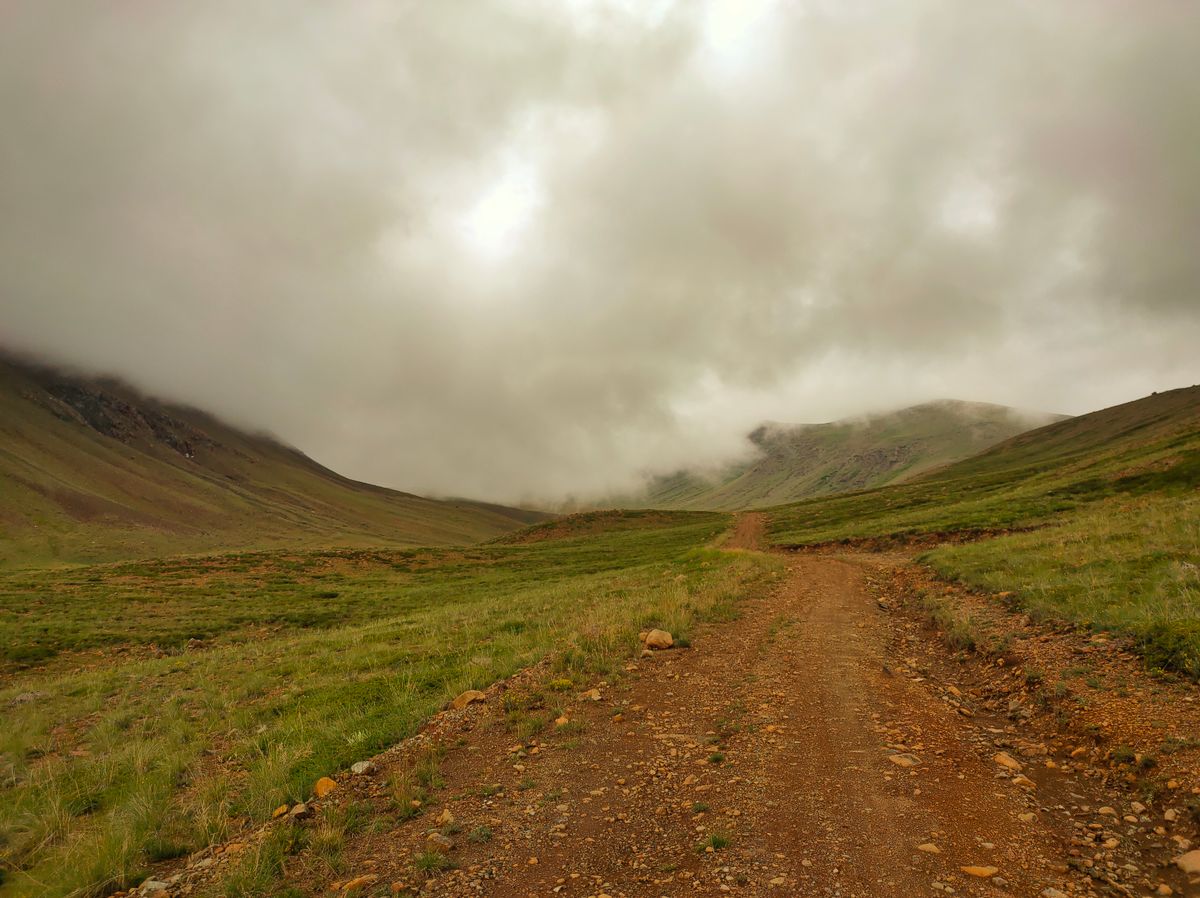
Manica is Mozambique's highland province — cooler, greener, more mountainous. Chimanimani Mountains for hiking, Ndau spiritual traditions, ancient rock art, and frontier-town energy make this one of Mozambique's most rewarding off-the-beaten-path destinations.
Manica Province: Highlands, Waterfalls & Frontier History
Manica is Mozambique's highland province — cooler, greener, and more mountainous than anywhere else in the country. Bordering Zimbabwe, it's a province of dramatic escarpments, cascading waterfalls, ancient rock art, and a frontier-town energy that makes it one of Mozambique's most rewarding off-the-beaten-path destinations.
Understanding Manica
Geography
Manica covers 61,661 km² in western Mozambique, bordered by Tete to the north, Sofala to the east, Gaza to the south, and Zimbabwe to the west. The province is dominated by the Manica Highlands — part of the Eastern Highlands mountain chain that straddles the Mozambique-Zimbabwe border. Elevations range from 200m in the lowlands to 3,000m+ at the Chimanimani peaks.
Climate
Manica is cooler than the rest of Mozambique. The highlands enjoy pleasant temperatures year-round (18–25°C), with cold nights in winter (June–August, dropping to 8–10°C). The rainy season (November–March) brings dramatic thunderstorms. Best time to visit: April–October.
People
The dominant ethnic group is the Ndau people, with significant Sena and Manica communities. The Ndau have a rich spiritual tradition centered on ancestral spirits (mudzimu) and healing practices that blend traditional and Islamic elements — a legacy of the historic trade routes that connected the interior to the Swahili coast.
Top Experiences
1. Chimanimani Mountains
The crown jewel. Shared with Zimbabwe (where they're called Chimanimani National Park), these mountains offer some of the most spectacular hiking in southern Africa — granite peaks, crystal-clear rock pools, caves with San rock art, and trails through montane forest.
What to do:
- Multi-day hiking — trails range from day walks to 5-day expeditions. Mount Binga (2,436m), Mozambique's highest peak, is here.
- Rock pools — swim in pristine mountain pools at the base of waterfalls
- San rock art — caves with ancient paintings dating back thousands of years
- Bird watching — endemic species including the Chimanimani rockjumper
Access: Enter from Sussundenga, 50 km from Chimoio. Guides available at the park entrance. Bring all hiking gear — no facilities inside the mountains.
2. Chimoio City
Manica's capital — a relaxed, tree-lined city with a frontier energy. Founded as a military outpost, it grew with the Beira-Bulawayo railway.
What to do:
- Mercado Municipal — vibrant market selling produce from the highlands: avocados, strawberries, apples (rare in tropical Mozambique)
- Casa do Despachante — colonial-era customs house, now a cultural center
- Chimoio Craft Collective — community-run cooperative selling Ndau baskets, wood carvings, and textiles
- The "Penedo" — a giant balanced rock on the outskirts of Chimoio, a sacred site for the Ndau people
3. Cabora Bassa's Sister: The Revué River Falls
The Revué River cascades through the mountains east of Chimoio, creating spectacular waterfalls accessible by hiking. The most impressive is the Ressano Garcia Falls — a multi-tiered cascade in a pristine forest setting.
4. Vumba Botanical Reserve
On the border with Zimbabwe, this cloud-forest reserve protects ancient cycads, rare orchids, and montane forest birds. It's one of the few places in Mozambique where you can walk through true rainforest.
5. Penhalonga Gold Mines
The town of Penhalonga has been a gold mining center since the 1890s. The historic mines — some still operational — tell the story of Mozambique's mineral wealth and the labor that extracted it. Community tours are available through former miners.
6. Catandica & the Ndau Heartland
North of Chimoio, Catandica is the cultural center of the Ndau people. This is where you can experience:
- Ndau traditional healing — recognized practitioners (nyanga) who use herbal medicine and spiritual practices
- Spirit possession ceremonies (gombos) — dramatic events where ancestral spirits speak through mediums
- Ndau music — distinctive drumming and mbira (thumb piano) traditions
The Ndau People
Culture & Spirituality
The Ndau are one of Mozambique's most spiritually rich ethnic groups. Their belief system centers on mudzimu — ancestral spirits who guide and protect the living. Spirit possession is common, with mediums entering trance states during ceremonies called gombos. The Ndau also have a tradition of matsimba — healer-diviners who diagnose illness, resolve conflicts, and communicate with the spirit world.
Ndau Crafts
- Basketry — intricate woven baskets using local grasses and natural dyes
- Wood carving — masks and figures used in ceremonies
- Textiles — distinctive patterns different from Makonde or Tsonga traditions
Ndau Cuisine
- Nhedo — wild fruit pudding
- Chibwabwa — pumpkin leaves in peanut sauce
- Mataba — cassava leaf stew (Ndau version, spicier than the Maputo version)
- Mielie pap — maize porridge (Zimbabwean influence)
How to Get There
- By road from Beira: EN6 highway, ~190 km (2.5 hours). Paved, good condition.
- By road from Harare: ~290 km via the Machipanda border post (3.5 hours).
- By air: No commercial airport. Nearest is Beira (BEW).
Where to Stay
- Chimoio: Hotel Girassol, Golden Peacock — mid-range business hotels
- Sussundenga: Basic guesthouses, staging point for Chimanimani hikes
- Chimanimani foothills: Eco-lodge options with community-run camping
The Bottom Line
Manica is for travelers who want something different from beaches and safari — cool mountain air, ancient rock art, sacred traditions, and some of the best hiking in southern Africa. It's accessible from both Beira and Harare, affordable, and utterly authentic. Come for the mountains, stay for the Ndau people, and leave with a perspective on Mozambique that most visitors never discover.