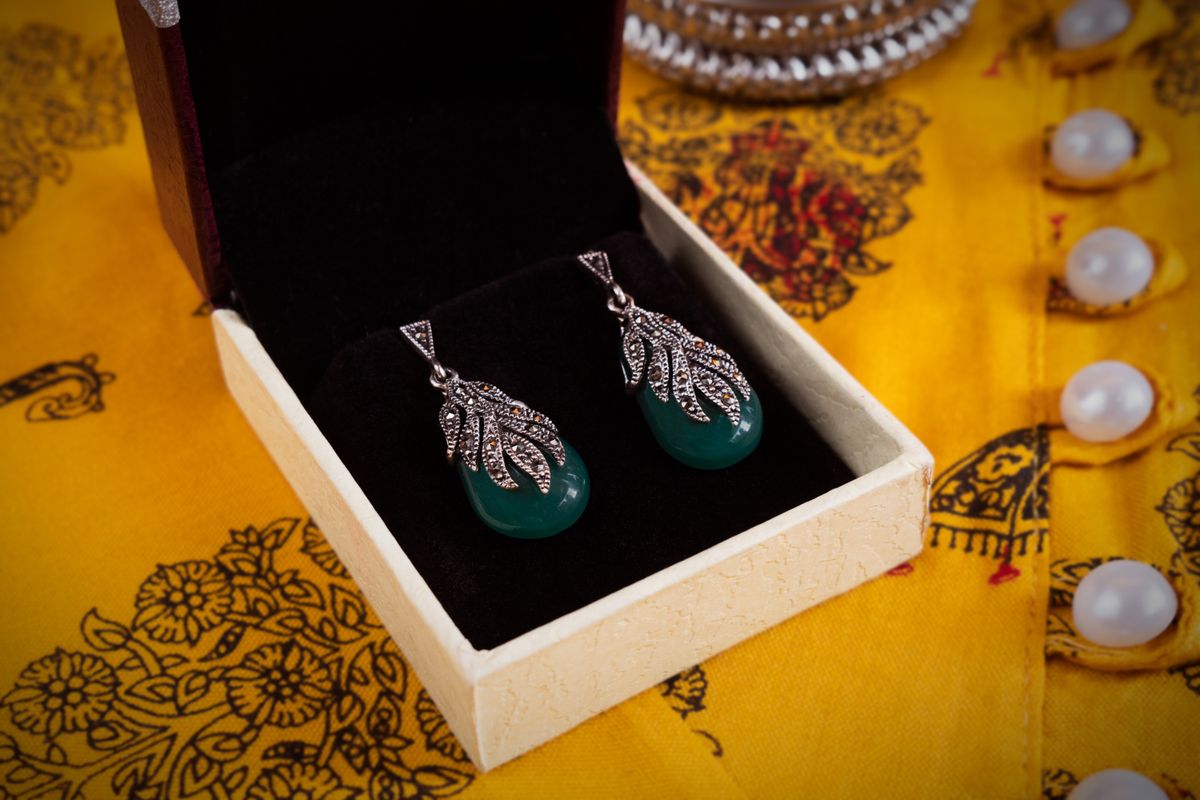
On Ibo Island, a centuries-old silversmith tradition survives against all odds. Meet the artisans keeping the craft alive and discover how ethical tourism can protect it.
An Island of Silver and Ruins
Ibo Island, in the Quirimbas Archipelago of northern Mozambique, is a place where time moves differently. The stone walls of Fort São João Baptista, built by the Portuguese in 1761, still stand — their cannons rusting silently toward the sea. Beside them, in small workshops with dirt floors and charcoal forges, silversmiths hammer out delicate filigree jewellery using techniques that predate the fort itself.
This is one of the last places in Africa where traditional Swahili-Arab silver filigree is still practised — and the artisans know it.
A Craft That Crossed Oceans
The silversmiths of Ibo trace their lineage to Arab and Indian Ocean traders who established settlements on the Quirimbas coast as early as the 8th century. The techniques — drawing silver wire by hand, twisting it into intricate patterns, soldering each joint with a charcoal blowpipe — have been passed from father to son for generations.
The designs are uniquely Ibo: crescent moons, fishing nets, geometric patterns that echo the Islamic architecture of the island's old mosque. Each piece can take days to complete. A single bracelet might contain 200 separate solder joints.
Survival Against the Odds
In recent years, Ibo's silversmiths have faced existential threats:
- Conflict in Cabo Delgado: The insurgency that began in 2017 devastated tourism in the province. Many visitors stopped coming. Orders dried up.
- Cheaper imitations: Machine-made jewellery from abroad undercuts the price of handmade filigree.
- Aging artisans: Young people leave for Pemba or Maputo, seeking wages that silversmithing cannot guarantee.
- Material costs: Silver must be imported, and prices fluctuate with the metical.
Yet the craft survives. Juma Issa, a fifth-generation silversmith, puts it simply: "My grandfather taught my father. My father taught me. If I stop, it dies. I cannot let it die."
How Ethical Tourism Helps
When travellers visit Ibo Island and buy directly from silversmiths — not from hotel gift shops or middlemen — the impact is immediate:
- Fair income: Artisans receive 100% of the sale price, not a fraction.
- Cultural validation: When foreigners value the craft, young people see a future in it.
- Material investment: Income allows smiths to buy silver and tools.
- Knowledge transfer: With stable income, masters can afford to take on apprentices.
Ibo Island Lodge, listed on nendeni.com with a 55% community benefit rate, works directly with local silversmiths. Guests can visit workshops, watch the process, and purchase pieces knowing the money goes to the maker.
What You Can See
A visit to a silversmith's workshop on Ibo is unlike any museum experience:
- The forge: A charcoal pit, hand-bellows, and a crucible for melting silver.
- The wire drawing: Silver is pulled through progressively smaller holes in an iron plate until it becomes hair-thin wire.
- The shaping: The wire is twisted, coiled, and shaped into patterns using tweezers and a steady hand.
- The soldering: Each joint is fused with a blowpipe — a thin tube used to direct breath precisely onto the flame.
- The finishing: The piece is cleaned, polished, and sometimes treated with a liver-of-sulphur patina to darken the recesses and highlight the pattern.
The entire process happens in a space no larger than a typical bathroom. The skill required is extraordinary.
A Future Worth Protecting
Ibo Island's silversmiths represent something larger than jewellery. They are living links to a Swahili coastal civilisation that thrived for a thousand years — a civilisation of traders, sailors, and artisans whose influence stretched from Mozambique to the Arabian Peninsula.
When you buy a piece of Ibo silver, you are not buying a souvenir. You are funding the survival of a craft, a family, and a chain of knowledge that stretches back centuries.
That is what ethical tourism means on Ibo Island.
Discover community experiences on Ibo Island and across Cabo Delgado at nendeni.com.